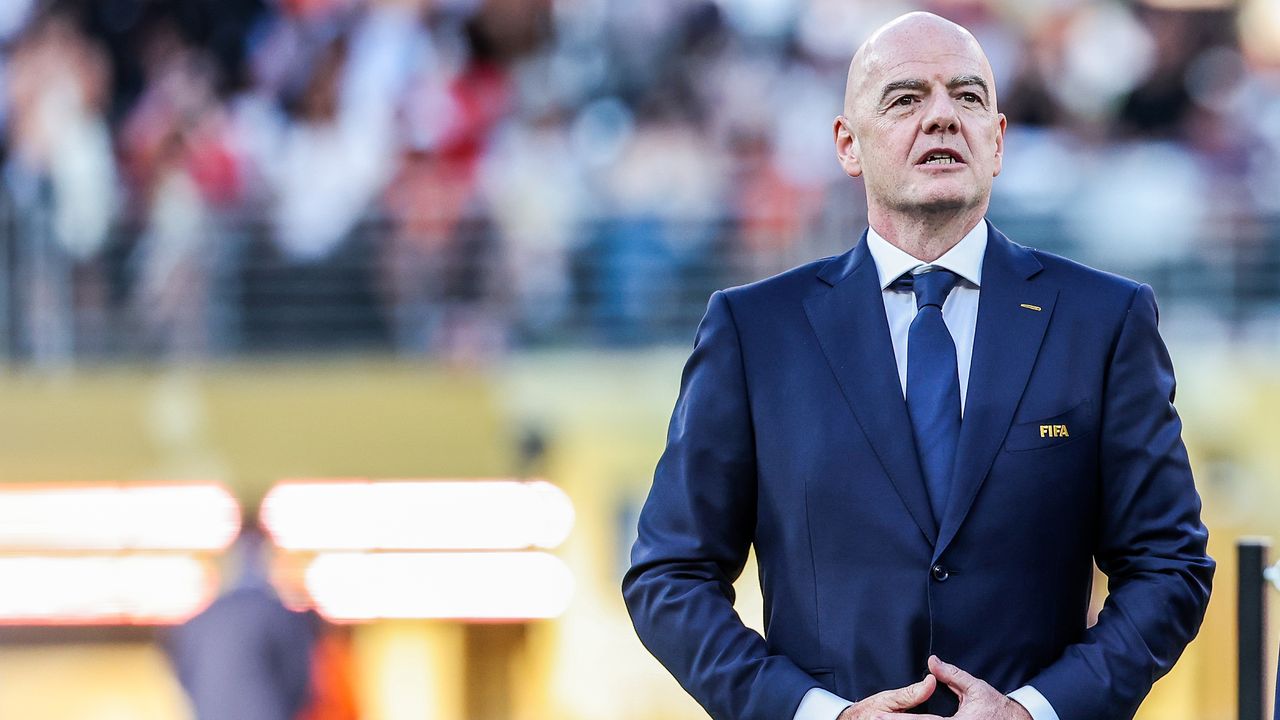
FIFA abandoned a plan to sell a 20% stake in its commercial rights into a for-profit company after a wave of opposition from its own member federations. The proposal, first reported by The New Yorker, would have paid each of FIFA's 211 member associations $40 million from the capital raise. The private equity firm tapped to lead the sale was Thrive Capital, founded by the brother of Donald Trump's son-in-law.
Europe's governing body UEFA said the plan would treat "the soul and governance of football" as assets to trade. It announced a unanimous boycott of all FIFA events, including the World Cup, until the proposal was withdrawn. CONCACAF and the Asian Football Confederation also pushed back. Kevin Lamour, FIFA's chief operating officer, told the Associated Press that everyone had been "deceived" – not only the public but FIFA's own administration. "This lie by omission over many months and this unilateral exercise of power are not trivial," Lamour said. "They are indicative of a lack of trust, a lack of transparency, a lack of discernment, a lack of good governance. And a serious lack of respect."
Carlos Cordeiro, a senior adviser to FIFA president Gianni Infantino, resigned in protest. Cordeiro, a former Goldman Sachs banker, said the plan was "mortgaging football's future." UEFA, which is wealthier than FIFA, seldom misses a chance to challenge Infantino. But the breadth of opposition – including from smaller federations Infantino had cultivated – was unusual. By Friday night, Infantino's office withdrew the plan, saying it had created "divisions of a nature that, regardless of the level of support, are no longer in the interest of the objective set out in the first place."
The collapse of the deal does not resolve the deeper tension between sports and capital. The New Yorker article noted that professional teams, leagues, and even college sports have eagerly courted private equity money. The World Cup itself was saturated with commercial sponsors and prediction-market advertising. Kalshi, a prediction platform that classifies itself as a commodities exchange, ran a marketing blitz during the tournament. It signed Messi and Luka Modrić as brand ambassadors and reported $26 billion in trading volume – roughly seven times the GDP of Cabo Verde. Three million new users downloaded the Kalshi app during the World Cup. On Friday, the State of New York sued Kalshi, accusing it of running an illegal gambling operation. Kalshi insists it is not gambling.
Infantino, who had been expected to run for reelection unopposed, may now face a challenger. The episode exposed the limits of FIFA's willingness to monetize its crown jewel. The very thing that makes sports common and meaningful – hope – may be for sale elsewhere, but the World Cup itself is not.