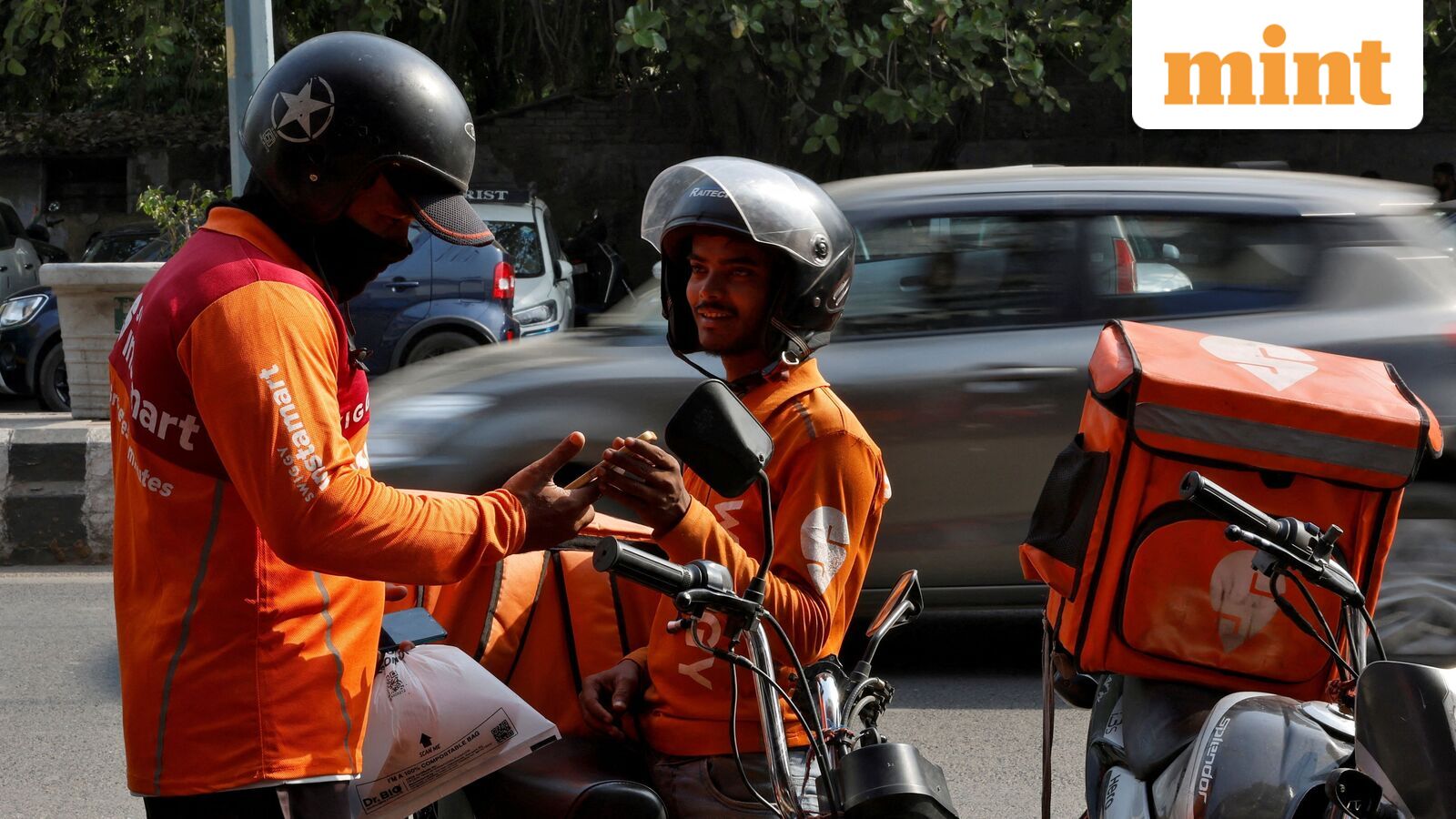
Festive hiring in tier-3 and -4 towns rose 110% year-on-year, but gig workers there earn 15-30% less than metro peers.
India Inc is leaning harder on smaller towns to staff its busiest shopping season, but the gig and blue-collar workers it hires there still earn far less than metro counterparts. The gap has narrowed since 2022. It remains large enough to sting.
Nitin Dave, CEO of general staffing at Quess Corp, one of India's largest recruitment firms, said the pay disparity between metros and non-metros during the festive season was 38-40% in 2022. It has come down to 25-30%, he said. In retail the gap sits at about 28%. In dark stores it is around 25%.
The bigger shift, Dave said, is where hiring happens. About 39% of Quess Corp's festive-season placements now go to tier-3 and -4 towns. Metros account for 31%. Tier-2 cities take 30%.
"The cost of living does play a part, but getting workers in these cities is now becoming a challenge, and therefore, firms have to offer more," he said.
Migration is the core problem. Workers are leaving smaller towns for larger Indian cities or overseas markets, shrinking the supply of labor available to local employers. Metro workers during the festive period can earn around ₹35,000-40,000 a month including allowances and bonuses, recruiters said. Their smaller-city counterparts get about ₹25,000-30,000.
Online jobs marketplace Apna.Co's data shows the trend accelerating even before the season peaked. Gig job postings in tier-2 and -3 cities rose 110% year-on-year. In metros the increase was 86%.
India's festive season runs from around August through December, covering holidays like Diwali, Durga Puja and Christmas. It is typically the year's biggest consumption period. This year carries extra weight. Consumers have tightened spending over the past few quarters on uncertainties from the West Asia war, supply-chain disruptions and high crude oil prices. Muted pay hikes across corporate India have left less disposable income. Companies are therefore going all out to hire aggressively in smaller towns, betting those markets hold the growth potential.
Balasubramanian A, senior vice-president at TeamLease, said the pay disparity is "broadly persistent, rather than closing materially." His assessment: metro gig workers are currently earning roughly 15-25% more than their counterparts in tier-2 and -3 cities. The gap has narrowed from the immediate post-pandemic period, he said, "as the smaller markets have matured, but it has not disappeared." The earnings include joining and attendance bonuses, higher per-order incentives during peak periods, weekly and festive-season performance bonuses, and referral payouts.
The numbers stack up a certain way because of workload, not just base pay. A delivery executive in a smaller town faces thinner consumer density. The delivery radius is much larger than in metros. The number of orders is lower, the travel distance per order higher. Shaik Salauddin, co-founder and national general secretary of the Indian Federation of App-based Transport Workers, said this directly affects earnings because workers complete fewer rides in a day. In metros, delivery partners can complete up to 30 deliveries in a 12-hour shift. Their smaller-city peers manage 15-20, with more idle time between orders.
Some hiring experts argue there is not really a pay gap for identical roles. The difference comes from the structure of work itself. Kartik Narayan, CEO of Apna.Co, said many large national employers are effectively running common rate cards across markets. Workers doing the same job for the same employer can earn broadly similar pay whether they are in a metro or a smaller city. What changes is the workload: more trips in dense consumer pockets mean more earnings.
Prepared with AlphaScala editorial tooling from the source reporting linked above. Indexable analysis may include a cited Alpha Score value. Publishing checks screen each story before release. Educational coverage, not personalized advice.