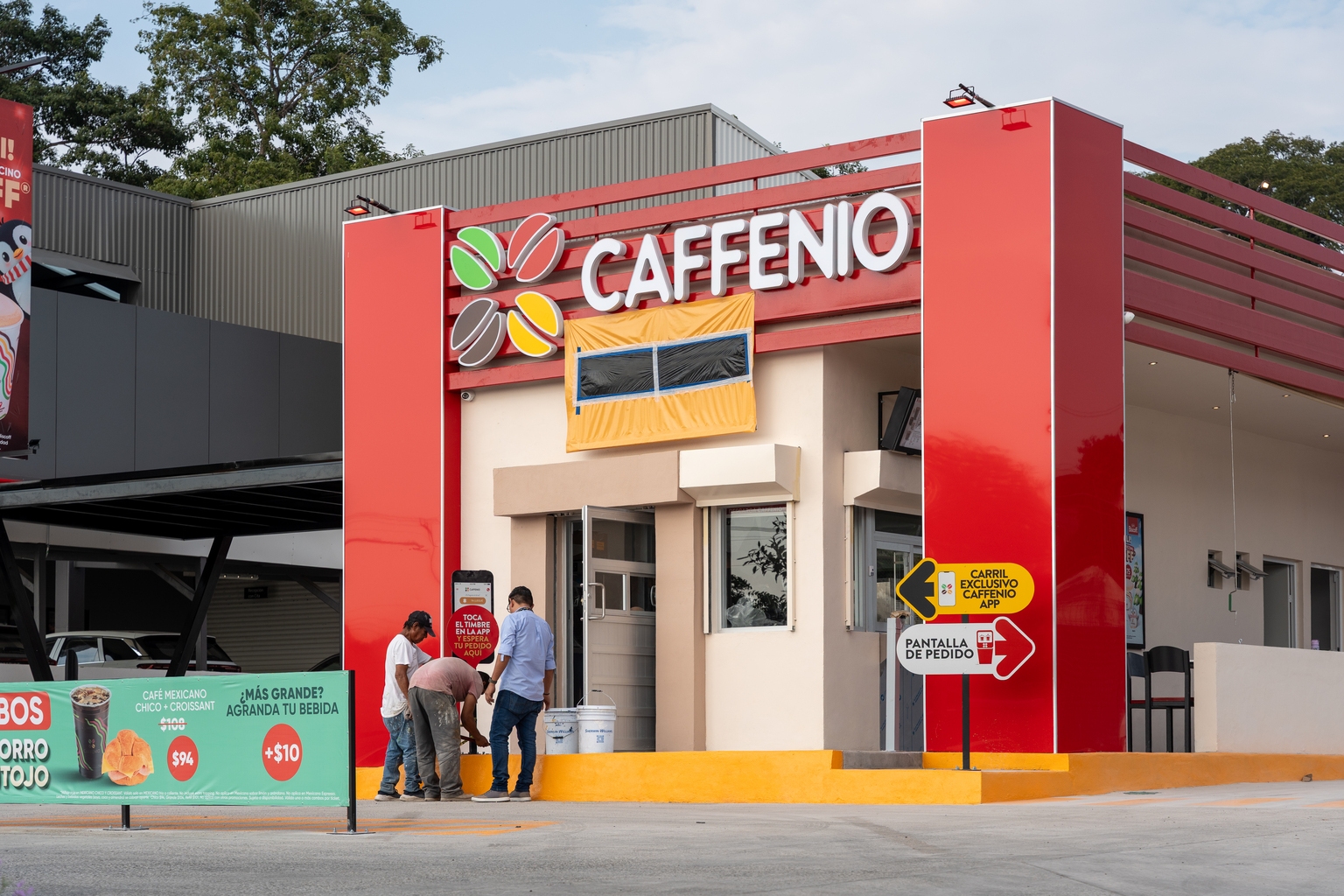
Fomento Economico Mexicano (NYSE:FMX) is navigating a complex 2025 macroeconomic environment by shifting from passive exposure to active operational management. Rather than waiting for external conditions to stabilize, the firm has prioritized internal streamlining to protect margins and sustain growth. This pivot represents a departure from the traditional reliance on volume-driven expansion in the consumer defensive sector, signaling a focus on efficiency as a primary lever for value creation.
Operational Streamlining and Margin Resilience
The core of the current strategy involves a granular review of cost structures across the company's retail and beverage segments. By identifying inefficiencies in supply chain logistics and store-level operations, management is attempting to decouple bottom-line performance from broader economic volatility. For investors, this shift changes the fundamental thesis for the stock. The focus is no longer solely on top-line revenue growth, which remains sensitive to regional consumer spending power, but on the ability to translate each dollar of sales into higher operating income through disciplined expense management.
This approach is particularly relevant given the current inflationary pressures affecting the broader stock market analysis. When macroeconomic headwinds persist, companies that control their own cost base tend to outperform those that rely on favorable pricing power or volume growth. The success of this strategy will be measured by the stability of operating margins in upcoming quarterly filings. If the firm can demonstrate consistent margin expansion despite flat or slowing revenue, it would validate the current management-led restructuring efforts.
Valuation and Market Positioning
FMX currently holds an Alpha Score of 45/100, reflecting a mixed outlook as the market digests the impact of these operational changes. While the proactive management style is a positive, the stock remains tethered to the performance of the consumer defensive sector in Latin America. Investors should note that the transition to a leaner operational model often carries execution risk. Any disruption in the implementation of these efficiency programs could lead to short-term volatility or a compression of valuation multiples if the market perceives the cost-cutting as a sign of slowing demand rather than strategic optimization.
For those tracking the FMX stock page, the next concrete marker is the reconciliation of these internal efficiency gains with the reality of regional consumer demand. A failure to show sustained margin improvement in the next two quarters would suggest that internal streamlining is insufficient to offset external macro pressures. Conversely, if the firm maintains its current trajectory, it may establish a new floor for its valuation, independent of the broader economic cycle. The ultimate test remains whether these operational changes provide enough of a buffer to withstand further deterioration in the regional economic climate throughout the remainder of the year.