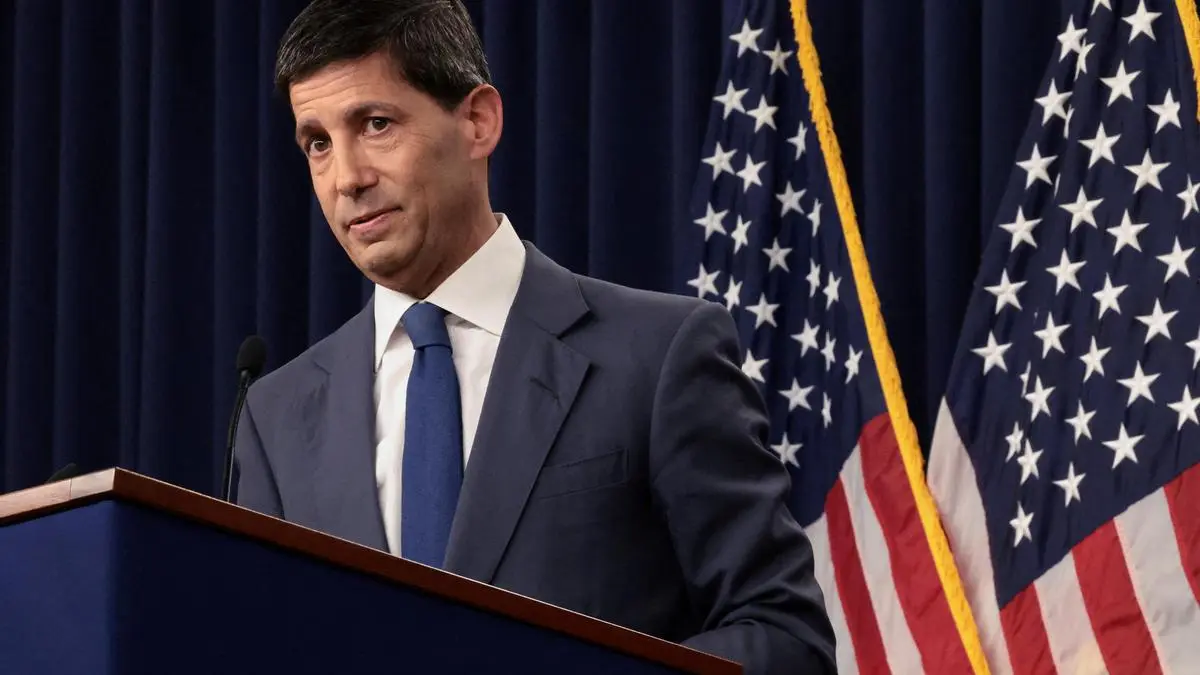
The Federal Open Markets Committee held its benchmark rate at 3.5% to 3.75%, a decision that caught most forecasters off guard. A quarter-point hike had been widely expected before the meeting. The pause, Chair Kevin Warsh said, reflects the committee's commitment to "dead serious" inflation fighting, though he offered no forward guidance on the next move.
Market participants now see a September hike as more likely unless the main drivers of price pressure – chiefly the Iran war – fade quickly. Inflation has run above the Fed's 2% target since 2021 and stood at 3.5% in June. July's print will likely exceed that, analysts said, after Brent crude surged 22% over the month to $88 a barrel on renewed US-Iran hostilities.
India's MPC Room to Hold Steady
The hold gives India's Monetary Policy Committee breathing room as it meets this week. Foreign inflows turned positive last month after a series of policies aimed at attracting NRI and other investment. A Fed hike would have complicated currency management at a time when oil prices are hardening again and pressuring the rupee. The MPC can keep rates steady while watching inflation and volatility, economists said.
The dollar has been strong this year on war-driven safe-haven demand and expectations of higher short-term yields. A strong dollar cuts import costs. Beyond a point, the appreciation makes exports uncompetitive. US growth data adds uncertainty. The Bureau of Economic Analysis put Q2 advance growth at just 1.5%, down from 2.1% in Q1. Labour data is flat, with the employment rate holding up partly because workers have dropped out of the job market.
Warsh's Forward Guidance Gap
Warsh said he would refrain from forward guidance to anchor inflation expectations, possibly betting the war and its shocks would abate before the next meeting. Long-end bond yields have stiffened anyway. Whether that leaves the Fed behind the curve is an open question, especially with President Trump pushing for easy money. The S&P 500, tracked by the SPDR S&P 500 ETF (SPY), has risen more than 9% this year, led by AI and technology stocks. A hike could trigger a repricing of debt and assets, hitting financial stability and household wealth. Last week's meltdown in South Korea's AI-driven equity market is instructive. For a broader look at how these macro dynamics affect equity valuations, see our stock market analysis.
The MPC meets this week and is expected to keep rates unchanged, according to market consensus.