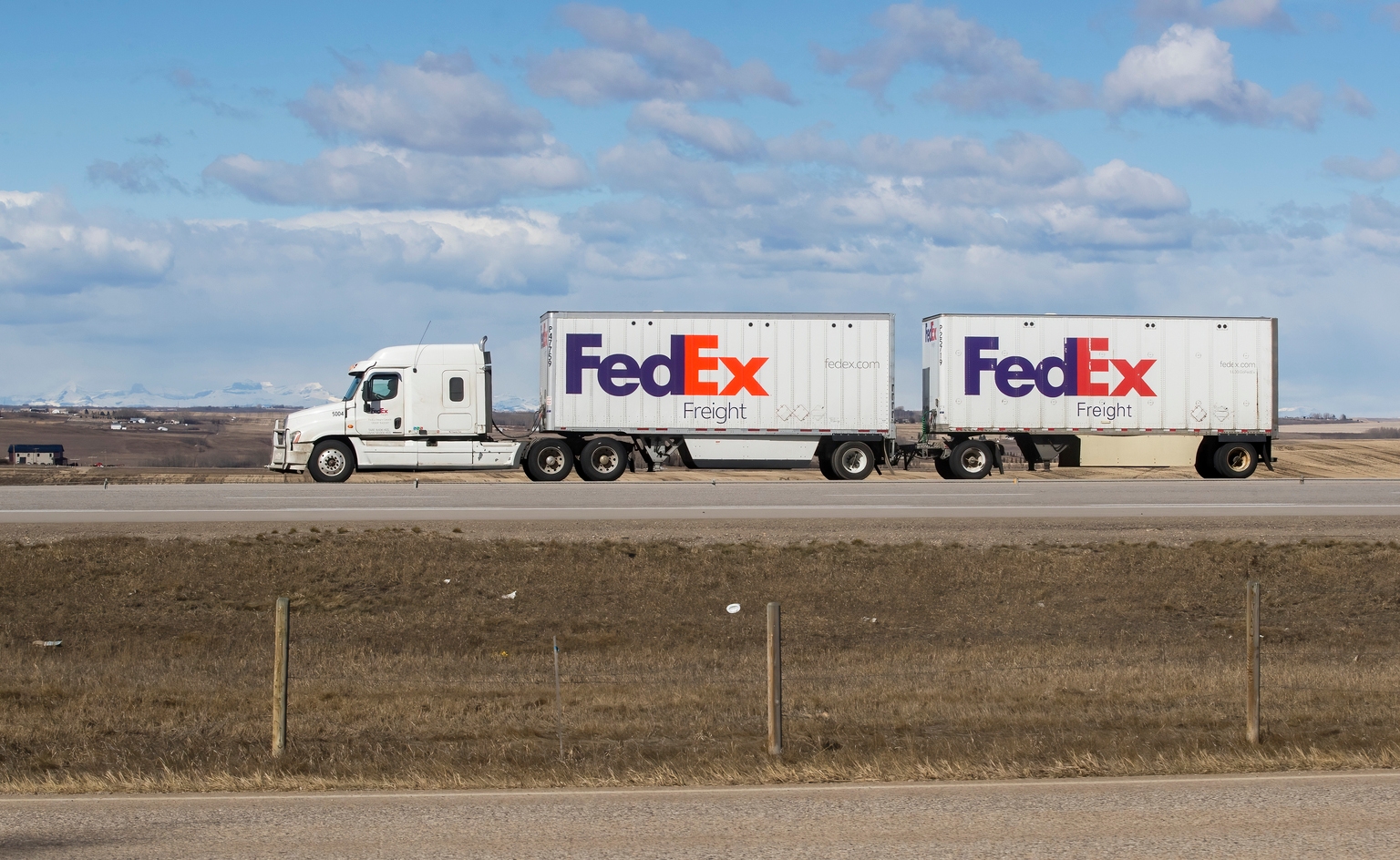
FedEx Freight Holding Company (FDXF) began trading last week after its separation from parent FedEx Corporation (FDX). The stock has failed to see the boom that many spinoff watchers expected, sitting in the $180s range. For investors considering adding FDXF to a watchlist, the question is whether the slow start reflects a fair valuation or a sign that the spinoff thesis needs more evidence.
FDXF Spinoff: The Simple Read vs. The Mechanics
The naive interpretation is that a standalone FedEx Freight should trade at a higher multiple than it did inside a sprawling conglomerate. Lighter corporate overhead, a pure-play less-than-truckload (LTL) story, and the potential for a more aggressive capital return policy all argue for a premium. The market has not delivered that premium yet.
The better market read starts with execution risk. A standalone FDXF must absorb new costs that were formerly buried inside FedEx: independent treasury, compliance, board compensation, and a standalone audit. Those costs compress margins in the first two to four quarters. At the same time, FDXF lacks the index inclusion and analyst coverage that the parent enjoyed. Institutional funds that held FDX may now sell FDXF shares if they are not mandated to hold pure-play LTL names. That forced selling creates a temporary overhang.
FDXF shares in the $180s imply an enterprise value that discounts some of these headwinds. The spinoff has not yet proved it can generate standalone returns above its cost of capital.
Exposure and Next Catalysts
The two groups most exposed to this spinoff are existing FDX shareholders and active traders looking for a re-rating event. FDX shareholders received a pro rata distribution of FDXF shares. They now hold a stock with more concentrated freight risk and no internal offset from FedEx Ground or FedEx Express. Long-only funds that track the S&P 500 or the Dow Jones Transportation Average may have held FDX but now find FDXF outside their benchmark. Their selling pressure is one reason the price has not jumped.
Traders watching FDXF for a breakout need a concrete catalyst. The first standalone earnings report, due roughly in three to four months, will show revenue, operating margins, and free cash flow unclouded by the old corporate allocation. Analysts from the major investment banks are expected to initiate coverage within 90 days. The first batch of price targets and model assumptions will set the floor for the stock. Any buyback announcement or special dividend declaration would signal that management sees the shares as undervalued.
What Could Flip the Risk/Reward
A re-rating would require one of three outcomes. First, FDXF reports a Q1 operating margin above the LTL peer average, proving the standalone cost structure is not a drag. Second, management announces a share repurchase program that shows conviction in the current price. Third, the freight cycle turns upward, lifting LTL volumes and pricing across the industry.
What would make the risk worse is exactly the opposite. A soft earnings print with margins below 8% (the typical threshold for a mature LTL operator) would confirm that the spinoff added cost without adding operational focus. A weak freight environment in the second half of the year would compound the problem. Without a catalyst, FDXF could trade flat or drift lower as initial enthusiasm fades.
AlphaScala's proprietary model rates FDX with an Alpha Score of 42 out of 100 (Mixed label, Industrials sector). That score signals that the parent's fundamentals do not yet show the kind of momentum that typically precedes a sustained rally in either the parent or its spinoff. Investors should not assume that FDXF will decouple from FDX's trajectory in the near term.
Next Decision Point
The next concrete marker for this story is the first full week of trading volume in FDXF. Low volume would mean price discovery is still tentative, and any sharp move would be unreliable. After that, the first analyst initiation and the first earnings call will tell traders whether the FDXF spinoff is a value trap or a genuine LTL pure-play worth owning. Until then, the $180s price is a placeholder, not a signal.
For more on related spinoffs and industrial sector moves, see the stock market analysis page and the FDX stock page.