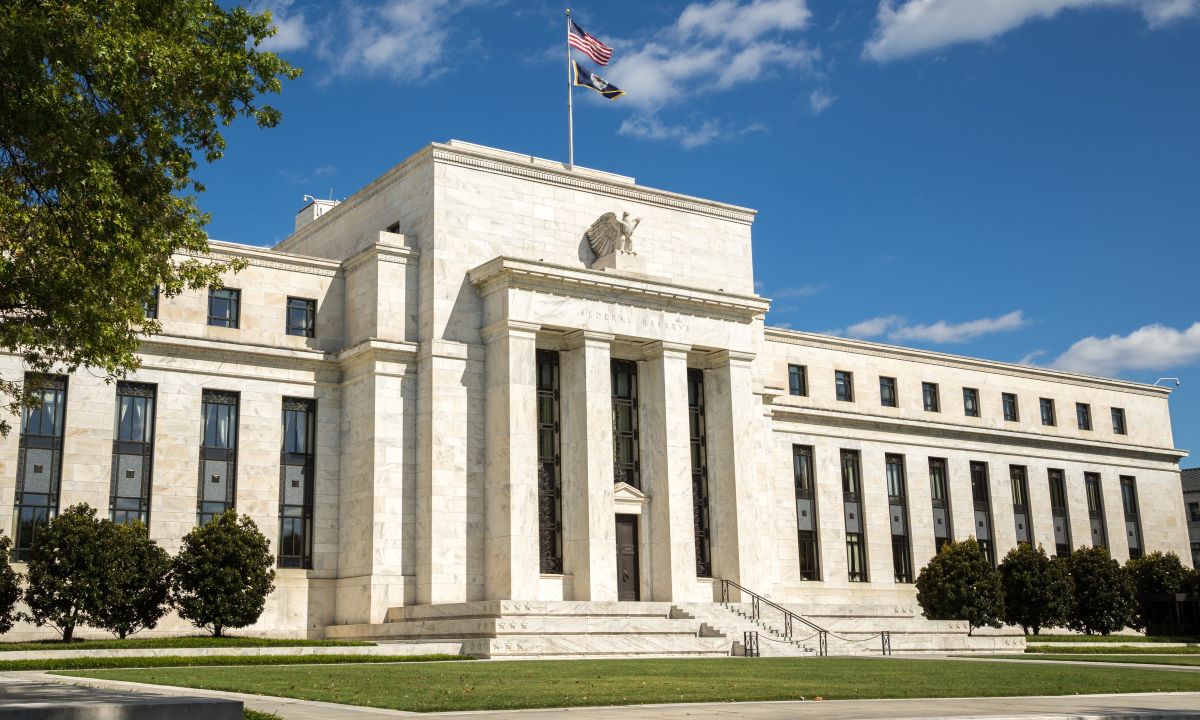
Federal Reserve Governor Michael Barr has signaled a shift in the regulatory view of the $1.8 trillion private credit market, identifying the potential for psychological contagion as a primary transmission mechanism for broader financial instability. While direct balance sheet exposure between traditional banks and private credit funds remains manageable, the risk lies in how market participants interpret localized defaults. Barr suggests that a failure in private credit could be misread as a systemic collapse in the corporate sector, triggering a reflexive pullback in lending across public bond markets and traditional banking channels.
This transmission path relies on the erosion of investor confidence rather than direct counterparty failure. If the market stops viewing private credit losses as idiosyncratic events and instead treats them as a bellwether for corporate health, the resulting liquidity squeeze could force a repricing of risk across all credit-sensitive assets. This is particularly relevant for institutions like JPM stock page, which currently holds an Alpha Score of 55/100 and trades at $312.47, reflecting a moderate outlook as the sector navigates these evolving credit conditions.
The Mechanics of Opaque Valuation
The structural vulnerability of private credit stems from its lack of transparency compared to public debt markets. Because these loans are held in private portfolios and valued internally by originators, deteriorating credit conditions are often masked until they reach a point of acute stress. This creates a lag in price discovery that prevents the market from pricing in risk incrementally. When the reality of credit deterioration finally breaks through, the adjustment is often violent, leading to the redemption demands that saw investors pull roughly $5 billion from the sector earlier this year.
This lack of mark-to-market discipline means that the first sign of a systemic shock may not appear in the financial statements of the lenders, but in the sudden, sharp demand for liquidity from investors. As JPMorgan Chase CEO Jamie Dimon recently noted, the sheer proliferation of participants in the private credit space—numbering roughly 1,000 entities—guarantees that underwriting standards have been uneven. Dimon’s assessment that a credit recession would be worse than expected rests on the assumption that the current cycle has allowed for the accumulation of poor-quality debt that has yet to be tested by a sustained downturn.
Transmission Through Insurance and Banking
Barr’s focus on the insurance industry’s ties to private lenders highlights a secondary transmission channel. Insurers, often seeking higher yields to match long-term liabilities, have become significant capital providers to private credit. If these funds face liquidity constraints, the impact could ripple into the insurance sector, potentially affecting capital adequacy ratios and forcing asset liquidations that could depress prices in broader fixed-income markets. This creates a feedback loop where the need to raise cash leads to the sale of more liquid assets, thereby tightening financial conditions further.
For market participants, the key indicator of this contagion will be the spread between private credit performance and public corporate bond yields. If public markets begin to widen in response to private credit headlines, it indicates that the psychological contagion Barr fears is taking hold. Conversely, if public markets remain resilient despite localized private credit stress, it suggests that the market is successfully compartmentalizing the risk. The current environment remains sensitive to any data that suggests a weakening in corporate cash flows, as this would be the catalyst that forces the internal valuations of private credit funds to finally reconcile with market reality.
Monitoring the Credit Cycle
While the current regulatory stance is one of caution rather than immediate intervention, the focus on underwriting standards suggests that the Federal Reserve is preparing for a period of credit normalization. The absence of a recent credit recession has likely led to a degree of complacency that the current interest rate environment is beginning to strip away. As the cost of capital remains elevated, the ability of private credit borrowers to refinance or service existing debt will be the primary marker of whether this sector experiences a soft landing or a systemic shock. Investors should monitor upcoming corporate default data and liquidity trends in private funds, as these will provide the earliest warnings of a shift from localized stress to broader market contagion.