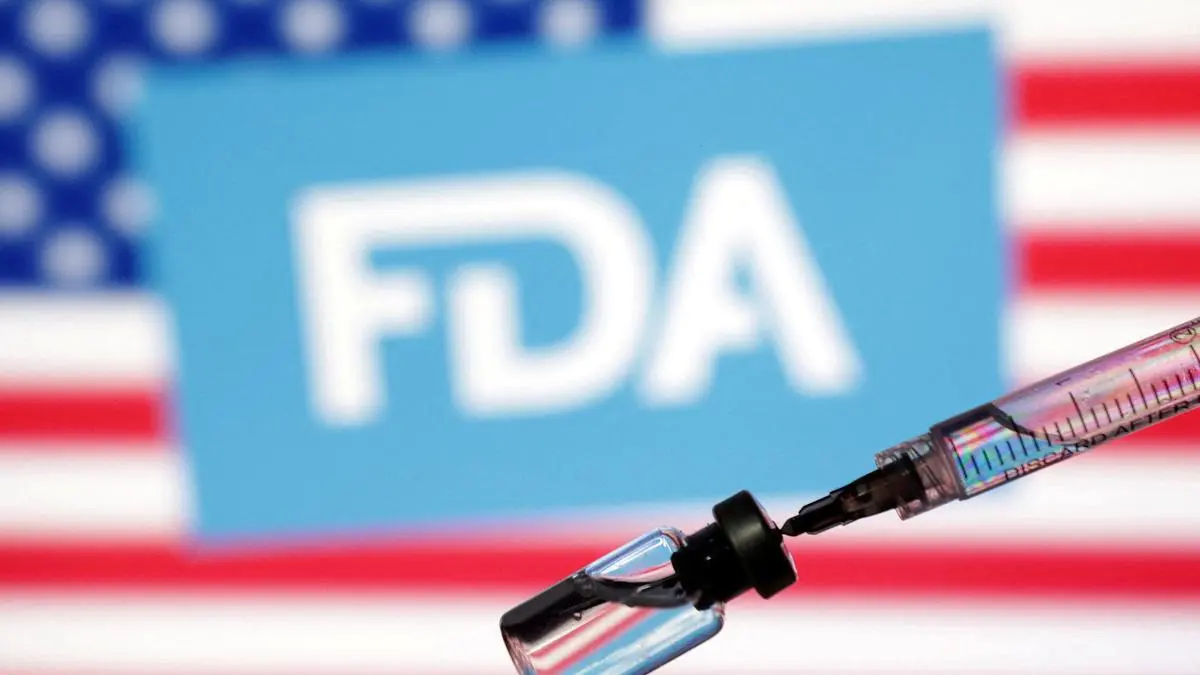
The FDA's new initiative pairs drug sponsors with research institutions and allows single late-stage trials for approval, potentially accelerating timelines for biotech companies.
The U.S. Food and Drug Administration on Monday launched Operation TrialBlazer, a set of measures designed to cut months off drug development timelines. The initiative targets both early-stage and late-stage trials, with changes that could reshape how biotech companies plan their clinical programs.
The FDA said it will pilot a program pairing drug sponsors with academic medical centers and contract research organizations to shorten the time from drug identification to first-in-human studies. The agency also updated its guidance for early-stage studies, saying a more phase-appropriate approach could save companies six to 12 months of development time.
In late-stage development, the FDA said drugmakers may be able to rely on one rigorous, well-controlled late-stage trial plus confirmatory evidence for approval, rather than multiple late-stage studies. That shift could reduce the cost and duration of Phase 3 programs. It also concentrates risk on a single data readout. A failed late-stage trial under this framework would leave no second study to fall back on.
The single-trial path mirrors elements of the FDA's accelerated approval framework. It applies to traditional approval, broadening its potential use. The agency's guidance emphasizes that the confirmatory evidence must be strong, which may raise the bar for trial design and statistical planning.
The agency launched a centralized webpage bringing together regulatory requirements and guidance in one place, aimed in part at helping smaller companies handle the process. It also said a new Phase 1 Contact Center will provide real-time answers on protocols and regulatory requirements for early-trial questions. The pilot program pairing sponsors with research institutions could benefit contract research organizations and academic medical centers that participate, potentially increasing their workload and revenue. The centralized webpage may reduce the time smaller companies spend searching for regulatory information, lowering barriers to entry.
For investors, the changes cut two ways. Faster development timelines mean successful drugs reach the market sooner, extending patent-protected sales periods. The single-trial approval path raises the stakes for each late-stage readout. Companies with strong preclinical data and well-designed trials stand to benefit most, while those with marginal assets face higher binary risk. The changes also affect the competitive dynamics between large pharmaceutical companies and smaller biotechs. Larger firms with established regulatory teams may adapt faster. The streamlined processes could disproportionately help smaller companies that lack dedicated regulatory affairs departments. For investors tracking the sector, the changes add a new variable to stock market analysis.
The initiative arrives at a time when the FDA faces pressure to modernize its review processes and keep pace with scientific advances. Operation TrialBlazer does not change the agency's safety and efficacy standards. It aims to remove procedural bottlenecks that add months to development timelines.
The Phase 1 Contact Center is expected to begin operations in the coming months, the FDA said.
Prepared with AlphaScala research tooling and grounded in primary market data: live prices, fundamentals, SEC filings, hedge-fund holdings, and insider activity. Each story is checked against AlphaScala publishing rules before release. Educational coverage, not personalized advice.