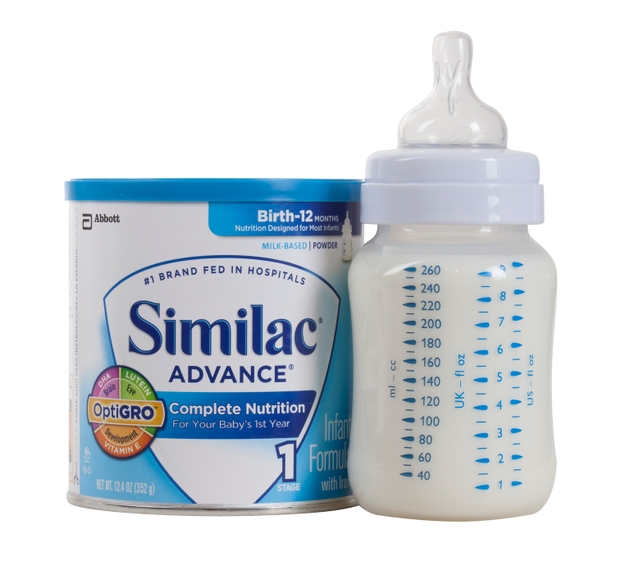
The Food and Drug Administration has concluded its most extensive investigation into chemical contaminants within the domestic baby formula supply, reporting that the vast majority of products meet stringent safety standards. The agency confirmed that levels of heavy metals and other chemical contaminants in tested samples were either low or undetectable. This outcome effectively closes a period of intense regulatory scrutiny that has shadowed the infant nutrition sector since the supply chain disruptions of 2022.
Regulatory Clearance and Operational Stability
For Abbott Laboratories, the FDA findings serve as a critical inflection point. The company has spent the last two years navigating the fallout from facility closures and subsequent investigations that hampered market share and production consistency. By validating the safety profile of the current supply, the FDA removes a significant overhang that previously forced the company to dedicate substantial resources to compliance and public relations management. This shift allows management to pivot from defensive operational posturing toward normalized production cycles and inventory management.
The broader infant formula market remains sensitive to quality control narratives given the high barrier to entry and the concentrated nature of the manufacturing base. With the FDA now signaling that the current supply chain is stable and compliant, the risk of sudden, investigation-driven supply halts is materially reduced. This provides a clearer path for companies to focus on margin expansion rather than the heavy capital expenditures associated with emergency facility remediation.
Valuation and Market Positioning
Abbott Laboratories currently holds an Alpha Score of 36/100, reflecting a mixed outlook as the company balances its diverse medical device and diagnostic segments against its nutrition business. The resolution of the FDA investigation provides a cleaner baseline for evaluating the nutrition segment's contribution to overall earnings. Investors should monitor how this regulatory stability influences the company's ability to recapture market share lost during the height of the supply shortages.
Market participants often look for signs of sustained volume growth in the nutrition division as a proxy for operational health. While the FDA report is a positive development for sector sentiment, the next phase of valuation will depend on whether this stability translates into improved pricing power or if the competitive landscape has permanently shifted toward lower-cost alternatives. The focus now turns to upcoming quarterly filings to see if the reduction in regulatory friction leads to improved operating margins in the infant nutrition segment.
The Path Toward Normalized Supply
The FDA investigation results effectively reset the baseline for the industry. The following factors will determine the next phase of sector performance:
- The stabilization of domestic production capacity following the completion of long-term facility upgrades.
- The impact of normalized supply on retail pricing and promotional activity in the infant nutrition aisle.
- The potential for renewed capital allocation toward R&D as regulatory compliance costs stabilize.
Investors should look for the next set of guidance updates from major industry players to determine if the removal of this regulatory cloud leads to a change in long-term earnings forecasts. The transition from crisis management to standard operational oversight is the primary marker for the sector's recovery. Further stock market analysis will be required to determine if this regulatory clearance acts as a catalyst for renewed institutional interest in the broader healthcare space.