Crypto▼ Bearish
FBI Director Kash Patel Warns Crypto Fraudsters: 'We Will Find You'
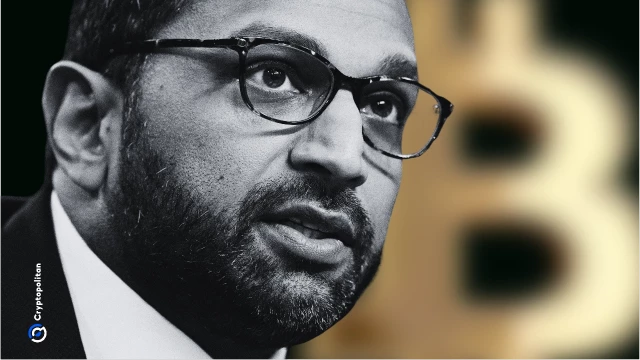
Kash Patel says FBI is following the money trail, credits Trump administration for enabling international arrests. Over $11B lost to crypto fraud in US last year. Chainalysis reports $82B in crypto money laundering globally in 2025.
Continue with
FBI Director Kash Patel posted a blunt warning on X: the bureau will find crypto fraudsters and bring them to justice. He attached a video and said these scammers have been exploiting Americans for too long. The message is the latest sign that federal enforcement against digital asset crime is accelerating.
Last year alone, Americans lost over $20 billion to cybercrime. More than half of that – $11 billion – came from crypto-related fraud, according to the FBI's Internet Crime Complaint Center (IC3). Investment fraud was the costliest category at $10.7 billion. Elderly Americans absorbed more than a third of total losses. California, Florida and Texas topped the states most affected by crypto-specific scams.
Patel said he prefers following the money trail over chasing individual criminals. He credited the Trump administration for building new relationships with foreign governments, which let the FBI operate in places previously out of reach. An operation earlier this year in Dubai led to roughly 300 arrests tied to an estimated $4 billion in fraud. The bureau has frozen more than 3,000 illicit crypto wallets and recovered over $500 million.
The push extends beyond U.S. borders. The UK's National Crime Agency closed Operation Atlantic, a joint effort with the U.S. Secret Service, Ontario Provincial Police and the Ontario Securities Commission. It targeted approval phishing – scams that trick victims into signing a transaction that hands wallet control to criminals. More than 20,000 victims across 30-plus countries were identified. Authorities froze $12 million, flagged another $33 million for further investigation and took down over 120 scam-linked web domains.