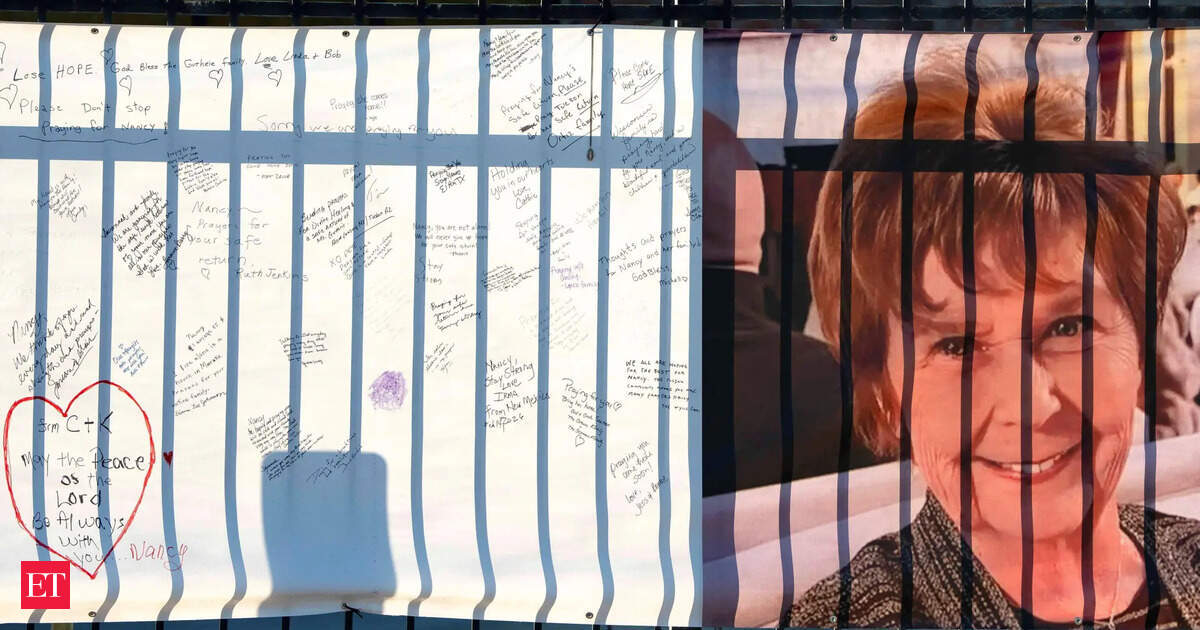
The FBI has secured a mixed DNA profile from a hair sample recovered at the residence of Nancy Guthrie, marking the first major forensic breakthrough in the ongoing 2026 investigation. Federal agents are now utilizing next-generation sequencing to isolate genetic markers from the degraded biological material, aiming to link the evidence to a specific suspect via national databases.
Forensic Methodology and Lead Generation
The presence of a mixed profile suggests multiple individuals may have been present at the scene. Previous forensic efforts struggled with the degradation of the sample, but current sequencing protocols allow for the reconstruction of incomplete data sets. By applying these high-resolution techniques, the laboratory is attempting to filter out background noise to identify unique genetic signatures.
If direct database hits fail to yield a match, investigators have signaled they will pivot to forensic genealogy. This process involves mapping familial connections through public genetic records, a strategy that has successfully cleared numerous long-standing cold cases in recent years. The current status of the probe reflects a shift toward technical resolution rather than circumstantial evidence.
Market Impact and Investigative Costs
While this case remains a localized legal matter, the broader application of advanced forensic technology continues to drive R&D spending within the biotech and diagnostic sectors. Companies specializing in high-throughput sequencing and genetic data analysis remain critical contractors for federal law enforcement. Traders tracking the market analysis of specialized diagnostic firms should monitor shifts in federal forensic procurement budgets, as the demand for sophisticated sequencing hardware creates consistent, long-term revenue streams for these providers.
| Forensic Phase | Primary Objective | Technology Used |
|---|
| Extraction | Isolate DNA from hair | Next-Gen Sequencing |
| Profiling | Separate mixed markers | Allele Filtering |
| Matching | Database cross-reference | CODIS/National Databases |
What to Watch
Market participants should watch for internal Department of Justice reports on forensic technology spending, as these often correlate with contract awards for private sequencing labs. On the investigative front, the timeline for a database match usually spans several weeks once the sequencing is complete. If the FBI moves to forensic genealogy, the duration of the investigation will extend significantly, though the statistical probability of identifying a suspect increases as the pool of available genetic data grows.
Success in this case hinges on the clarity of the isolated genetic markers, as degraded samples remain the primary obstacle to a definitive identification.