Fakeeh Care expects to close its acquisition of Mohammad Alfagih Hospital next month, adding capacity and cost synergies in Jeddah. The deal is a key catalyst for the stock, which has risen 18% this year.
Dr. Soliman Abdel Kader Fakeeh Hospital Co. expects to finalize its acquisition of Mohammad Alfagih Hospital next month, a senior executive said Monday, marking a step in the Saudi healthcare provider's expansion within the kingdom.
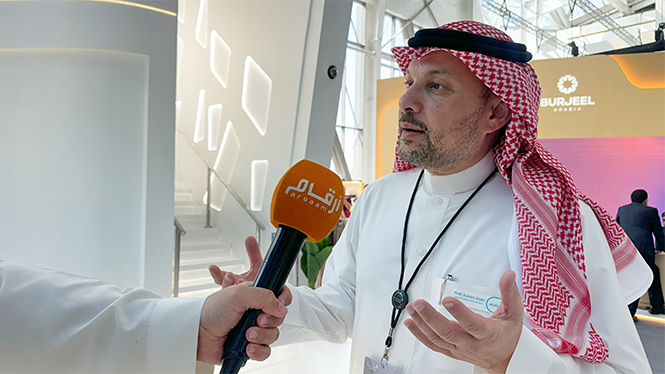
Ayman Asaad Abdo, Senior Vice President and board member of Fakeeh Care, told reporters the group is in the final stages of completing the takeover. He did not disclose the deal's financial terms or the expected closing date beyond the month ahead.
The acquisition would add Alfagih's hospital network to Fakeeh Care's existing operations, which include two hospitals in Jeddah and a medical college. Fakeeh Care, listed on the Saudi Exchange under ticker 4002, has been pursuing growth through acquisitions and new facilities as the kingdom's healthcare sector expands under the Vision 2030 privatization push.
Mohammad Alfagih Hospital operates in Jeddah as well, giving Fakeeh Care a larger footprint in the city and potential cost synergies in procurement, staffing, and administration. The deal also brings in Alfagih's outpatient clinics and specialized centers, which could broaden Fakeeh Care's patient base.
Fakeeh Care reported revenue of 1.2 billion riyals in its most recent fiscal year, up 12% from the prior year, driven by higher patient volumes and insurance revenue. The company has been investing in new capacity, including a 300-bed expansion at its main hospital.
The Saudi healthcare market is projected to grow at roughly 8% annually through 2030, fueled by government spending, mandatory health insurance expansion, and population growth. Private hospital operators like Fakeeh Care are positioned to capture a larger share as the Ministry of Health contracts out more services.
Abdo said the company is also evaluating other acquisition targets and greenfield projects, though he declined to name specific opportunities. The group aims to increase its bed count to 2,000 over the next five years from roughly 1,200 currently.
Fakeeh Care shares have risen 18% this year, outperforming the Saudi benchmark index, which is up 6%. The stock trades at about 28 times trailing earnings, a premium to some regional peers, reflecting investor expectations for growth from the Alfagih deal and other expansion plans.
The closing of the Alfagih acquisition would remove a key uncertainty for the stock. Investors have been waiting for the deal to finalize since it was announced in late 2024. Once completed, Fakeeh Care can begin integrating the operations and reporting combined financials, which could trigger analyst upgrades and index fund buying.
Abdo said the integration plan is ready and will focus on standardizing clinical protocols, IT systems, and procurement. He expects the combined entity to achieve cost savings of 5-7% within 18 months.
The company's next catalyst is the second-quarter earnings report, due in August, which will be the first to include any contribution from Alfagih if the deal closes by then. Analysts at Al Rajhi Capital have a buy rating on the stock with a price target of 145 riyals, implying about 15% upside from current levels.
Fakeeh Care's expansion comes as Saudi Arabia's health ministry pushes to increase private sector participation in healthcare delivery from 40% to 65% by 2030. The policy has spurred a wave of hospital mergers and acquisitions, with operators like Dallah Healthcare and Saudi German Hospital also pursuing deals.
For Fakeeh Care, the Alfagih acquisition is a test of its ability to execute and integrate. Success could open the door to larger transactions. A delay or integration hiccup would weigh on the stock, traders said.
Prepared with AlphaScala research tooling and grounded in primary market data: live prices, fundamentals, SEC filings, hedge-fund holdings, and insider activity. Each story is checked against AlphaScala publishing rules before release. Educational coverage, not personalized advice.