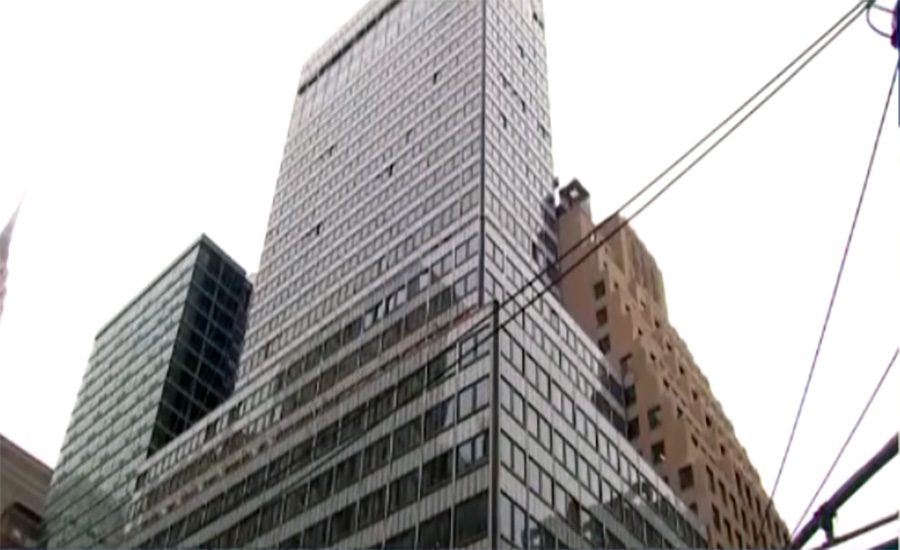
On July 7, construction crews at the former Pfizer headquarters in Midtown Manhattan discovered two load-bearing steel columns had buckled on the 21st floor. The city declared the building unstable and evacuated the site and seven surrounding buildings, including residential and commercial properties. No injuries were reported.
The building at 235 E. 42nd St. is part of a larger redevelopment into 1,600 apartments. The 33-story tower had been topped with an 11-story addition that officials said had already topped out. MetroLoft Developers and David Werner Real Estate Investments are leading the conversion, targeting 2027 completion. Gensler is the architect; G.A.C.E. is the structural engineer.
Why the Columns Buckled
The buckling suggests the structural load from the vertical expansion may have exceeded the capacity of the existing columns, or the construction sequencing introduced stress the steel frame could not handle. FDNY Chief of Department John Esposito said the steel members "started to bend and deflect from the weight." The city has observed continued movement in one compromised column using monitoring equipment and FDNY drone observations, preventing engineers from entering the building.
The project required subsurface investigations coordinated with the Metropolitan Transportation Authority because the No. 7 subway tunnel passes beneath East 42nd Street. GEODesign, the project's geotechnical consultant, developed foundation recommendations and designed rock-anchor systems to resist added wind loads. The city's Department of Buildings had approved the conversion after an "extensive, exhaustive review" over the past two years, Commissioner Ahmed Tigani said.
What's at Stake
For the developers, the incident means delays, potential cost overruns, and liability. The 1.3 million sq ft conversion includes more than 400 affordable units. A delayed completion could affect financing and contracting. The city established a collapse zone and a frozen zone from East 40th to East 45th streets between First and Third avenues, disrupting the neighborhood.
The city plans to install emergency structural struts to transfer loads away from the damaged columns. Only after stabilization will investigators determine the cause. Tigani said the investigation will examine whether the failure stemmed from design, construction sequencing, or another factor. Mayor Zohran Mamdani said the city would not speculate while emergency stabilization remained underway.
What Would Reduce the Risk
If the building stabilizes quickly and the cause is found to be an isolated issue, the project could resume with reinforced structure. The city's quick response and no injuries are positive. NBC New York reported Tuesday afternoon that the building had shown no additional movement since about noon, which could allow engineers to enter and begin shoring.
What Would Make It Worse
Further movement or a partial collapse would escalate the response, potentially closing streets for weeks. A finding of design or construction negligence could trigger lawsuits, insurance claims, and regulatory scrutiny on other office-to-residential conversions. The city's investigation will take time, and the project's 2027 completion target now looks uncertain. Officials have not set a timeline for the emergency shoring or the investigation.