Stocks● Neutral
FAA Proposes Waiving Environmental Laws for Commercial Launches
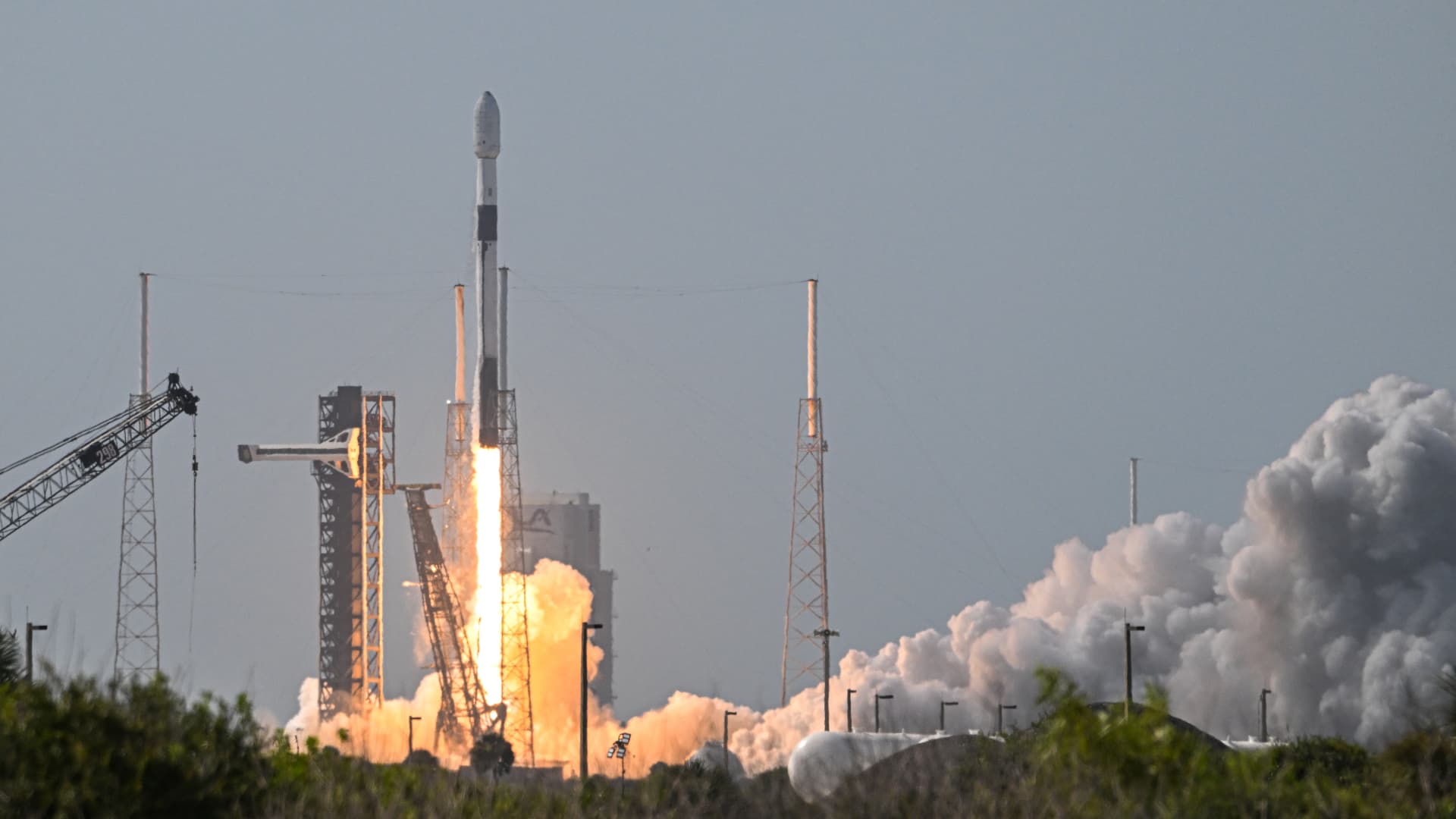
The FAA's proposed rule would waive environmental reviews for commercial launches. SpaceX and Blue Origin are the biggest beneficiaries as launch demand surges.
Continue with
The Trump administration proposed waiving requirements under 13 environmental laws for commercial space launch licenses, a move that would speed approvals for companies such as SpaceX and Blue Origin.
The Federal Aviation Administration's proposed rule would allow the agency to bypass reviews required by the National Environmental Policy Act, the Endangered Species Act, parts of the Clean Water and Clean Air acts, the National Historic Preservation Act and the Marine Mammal Protection Act. The rule applies to commercial space licenses and permits.
The Department of Transportation said applicants face pointless, time-consuming requirements and expenses for overlapping reviews. Requirements tied to public health, safety, property, national security or foreign policy would not be affected, the DOT said.
Commercial space activity is accelerating. The FAA authorized a record 205 commercial operations in fiscal 2025, and its forecast projects up to 4,288 over the next decade. SpaceX President Gwynne Shotwell told FAA Administrator Bryan Bedford in May that the company targets 10,000 launches annually within five years. Bedford cautioned that reliability must improve first, Reuters reported.
The proposed rule follows an executive order President Donald Trump signed in 2024 directing the Transportation Secretary to eliminate or expedite environmental reviews. "America won the first Space Race, and we can do it again, only if we get government red tape out of the way," Transportation Secretary Sean Duffy said Tuesday.