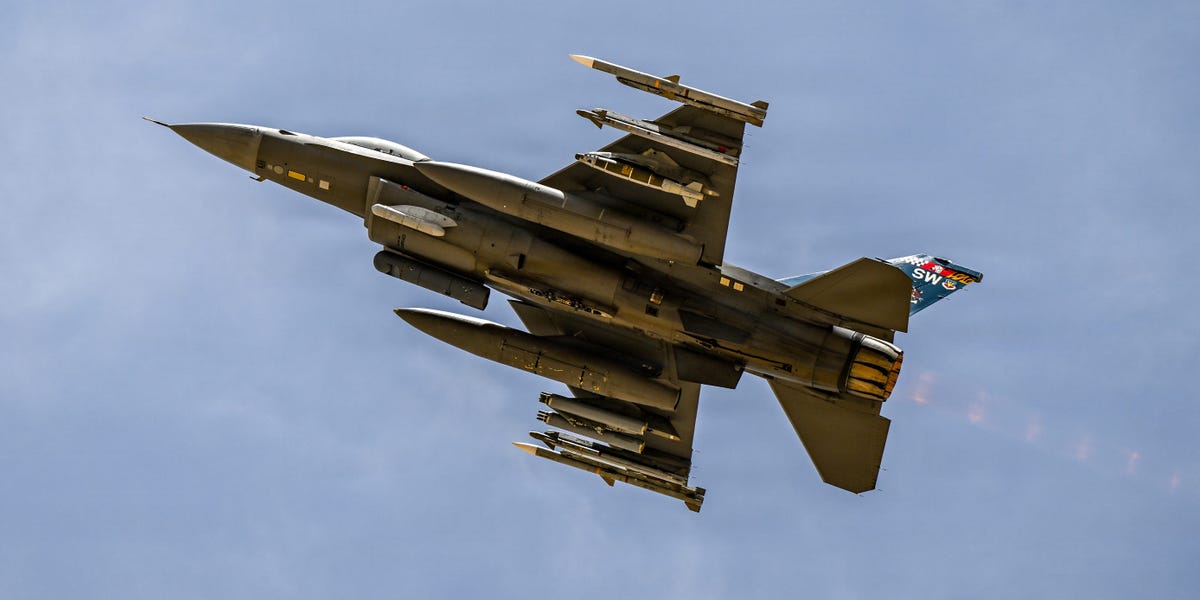
The U.S. Air Force released award documents detailing how six F-16 pilots escorted B-2 bombers into Iranian airspace during Operation Midnight Hammer in June 2025 and returned to base with nearly empty fuel tanks, effectively on fumes. The mission struck Iran's nuclear facilities. The disclosure offers a rare operational window for defense investors tracking mission capability and readiness constraints.
The Fuel Margin as a Procurement Signal
The naive read treats this as a heroic anecdote. The better market read focuses on what the fuel margin reveals about combat radius limits, aerial refueling availability, and the operational strain on tactical fighter fleets. If F-16s return on fumes, the mission profile pushed the platform to its edge. That signals either a longer ingress distance than planners preferred or a shortfall in tanker support. Both implications matter for defense contractors with exposure to aerial refueling systems, extended-range munitions, and fighter sustainment programs.
For the F-16 fleet, the mission confirms that older fourth-generation platforms still carry deep-strike duties alongside fifth-generation assets. The B-2 bombers executed the primary strike. The F-16s handled the air-defense suppression and escort role. That dual-platform mix suggests the Air Force continues to rely on fighter cover for penetrating bomber missions, a dynamic that drives sustainment spending on both platforms.
Which Defense Contractors Benefit
Lockheed Martin builds the F-16. Northrop Grumman builds the B-2. The mission profile does not directly move revenue forecasts. It reinforces the operational case for maintaining fighter escort capacity within the bomber fleet. That supports the sustainment and upgrade lines for Lockheed's F-16 and Northrop's B-2.
Investors tracking the defense budget cycle should watch two signals. First, any USAF request for accelerated tanker procurement would validate the fuel-readiness concern implied by the mission report. Second, if follow-on documents reference the AIM-120 AMRAAM or AIM-9X loadout used during the escort, it provides a data point on munitions consumption rates in high-threat environments. A lack of either follow-up within the next funding cycle would weaken the read-through, suggesting the margin was a one-off planning issue rather than a structural capability gap.
The Next Budget Test
The award documents are a single data point, not a trend. The next concrete catalyst is the fiscal 2026 defense budget request, expected in early 2026, which will show whether the Air Force requests additional tanker aircraft, extended-range fuel tanks for fighters, or increased munitions procurement for the F-16 fleet.
For now the story sits on the watchlist for defense analysts. The fuel scare on a real combat mission is the kind of operational friction that eventually shows up in procurement priorities.
For context on how operational data translates into defense stock movements, see our stock market analysis desk notes.