Export Sector Faces Regulatory Friction as Compliance Costs Mount

Exporters have signaled that rising compliance and testing costs are hindering competitiveness, prompting a government review of regulatory frameworks for MSMEs.
Alpha Score of 47 reflects weak overall profile with moderate momentum, poor value, moderate quality. Based on 3 of 4 signals — score is capped at 90 until remaining data ingests.
Alpha Score of 57 reflects moderate overall profile with moderate momentum, moderate value, moderate quality, moderate sentiment.
Alpha Score of 46 reflects weak overall profile with strong momentum, poor value, poor quality, moderate sentiment.
Alpha Score of 53 reflects moderate overall profile with poor momentum, strong value, strong quality, weak sentiment.
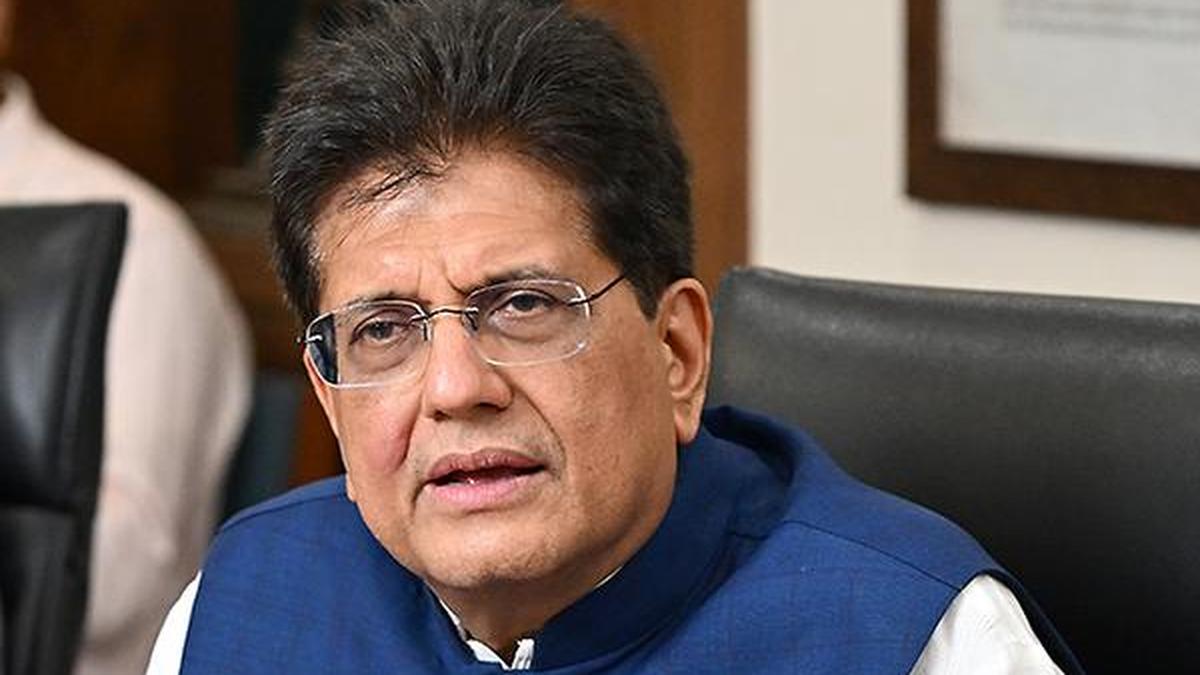
The narrative surrounding India's export sector shifted this week as industry representatives presented a unified front regarding the mounting burden of regulatory compliance. During a high-level meeting with Commerce Minister Piyush Goyal, exporters identified specific bottlenecks that threaten to erode the competitive edge of domestic goods in global markets. The discussion moved beyond general growth targets to address the granular friction points currently hindering trade velocity.
Compliance and Testing Barriers
The core of the industry grievance centers on the rising cost of compliance and the complexity of mandatory testing requirements. Exporters noted that these regulatory hurdles often act as non-tariff barriers, effectively increasing the landed cost of Indian products in foreign jurisdictions. The demand for streamlined testing protocols is driven by the need to meet diverse international quality standards without incurring prohibitive overheads at the point of origin. By highlighting these costs, the industry is signaling that current regulatory frameworks may be misaligned with the operational realities of global supply chains.
Micro and Small Enterprise Vulnerability
The challenges faced by Micro, Small, and Medium Enterprises (MSMEs) emerged as a critical sub-theme of the meeting. Unlike larger conglomerates, these smaller entities lack the administrative depth to navigate complex documentation and frequent policy shifts. The discussion emphasized that the current compliance burden disproportionately affects the liquidity and agility of smaller exporters. These firms are the primary drivers of employment in the manufacturing sector, and their inability to absorb high testing costs could lead to a contraction in the export base if left unaddressed.
Policy Path and Market Access
Minister Goyal acknowledged these concerns and indicated a shift toward support mechanisms designed to enhance market access. The government's stated intent to ease business operations suggests a potential pivot toward digitizing compliance workflows and potentially subsidizing testing costs for specific sectors. For investors following stock market analysis, the focus now shifts to whether these policy adjustments will manifest as tangible reductions in operating expenses for export-oriented firms.
AlphaScala data indicates that the export-heavy industrial segments are currently navigating a period of margin compression tied to these rising administrative requirements. The ability of firms to pass these costs to international buyers remains limited in the current competitive environment.
The next concrete marker for this sector will be the release of updated trade facilitation guidelines or specific budgetary allocations for testing infrastructure. These developments will determine if the government can successfully lower the cost of doing business or if the current regulatory friction will continue to weigh on the bottom lines of export-focused companies. Monitoring the upcoming trade policy review will be essential for assessing the long-term impact on sector-wide profitability.
AI-drafted from named sources and checked against AlphaScala publishing rules before release. Direct quotes must match source text, low-information tables are removed, and thinner or higher-risk stories can be held for manual review.