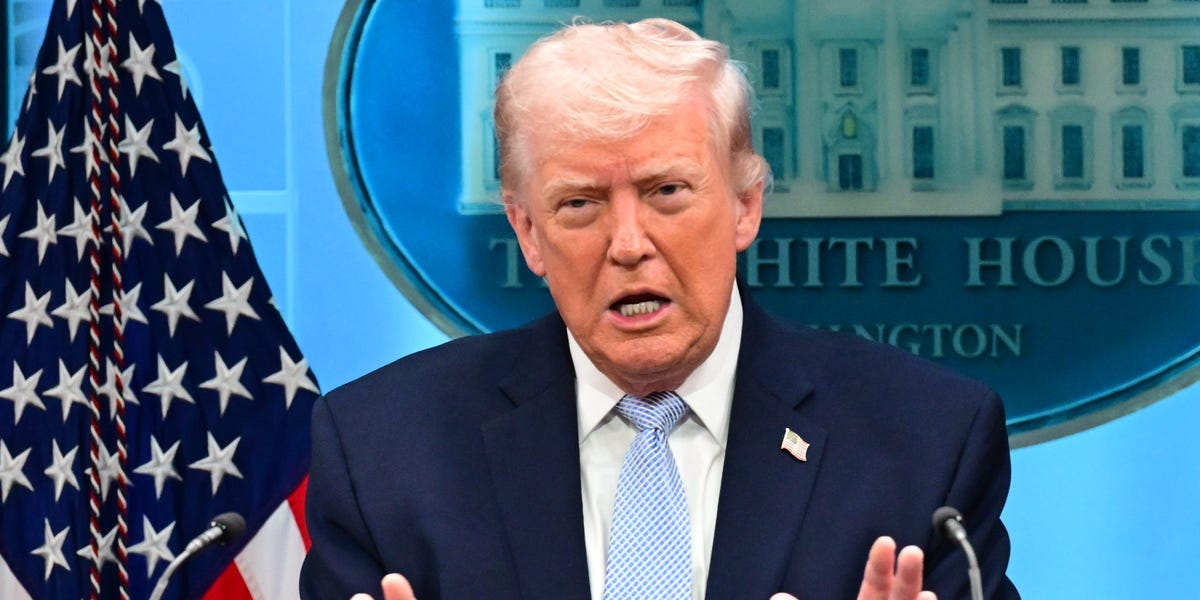
President Donald Trump signed an executive order on Thursday aimed at expanding retirement account access for workers currently lacking employer-sponsored plans. The directive introduces a government-backed matching program that provides up to $1,000 in contributions for eligible individuals. This policy shift targets the coverage gap in the private sector, where many employees remain excluded from traditional 401(k) or pension structures.
Impact on Retirement Savings Infrastructure
The executive order establishes a framework to incentivize retirement participation among workers who have historically lacked access to institutional savings vehicles. By offering a direct match, the administration intends to lower the barrier to entry for low-to-middle-income earners. The program functions as a federal supplement, effectively creating a new layer of retirement security that operates independently of corporate benefit packages. This move forces a reevaluation of how private sector employers structure their own compensation and benefits, as the federal match may influence employee expectations regarding total compensation packages.
Sector Read-Through and Financial Services
The introduction of a federal matching program creates a distinct shift for financial services firms that manage retirement assets. Companies specializing in individual retirement accounts and personal wealth management may see an increase in account volume as workers utilize the new federal incentive. This policy creates a potential influx of capital into the retail retirement market, which could benefit firms that provide low-cost, accessible investment platforms. Conversely, the move places pressure on traditional employer-sponsored plan providers to demonstrate value in a landscape where the government is now a direct participant in the savings process.
AlphaScala data currently reflects varying levels of stability across the broader market, with ON stock page holding an Alpha Score of 45, MTCH stock page at 66, and T stock page at 56. These scores suggest that while individual sectors maintain distinct momentum, the broader financial services and communication services landscape remains sensitive to policy-driven shifts in consumer behavior.
Implementation and Regulatory Path
The success of this initiative depends on the specific regulatory guidelines that will follow the executive order. The Department of Labor and the Treasury will need to define the eligibility criteria for the $1,000 match, including income thresholds and the types of accounts that qualify for the federal contribution. Market participants should monitor the subsequent rulemaking process for details on how these funds will be distributed and whether the program will require new administrative infrastructure. The next concrete marker for this policy will be the release of the formal implementation roadmap, which will clarify the timeline for when workers can begin accessing these matching funds. This development follows broader discussions on stock market analysis regarding how federal intervention influences long-term capital formation and household financial health.