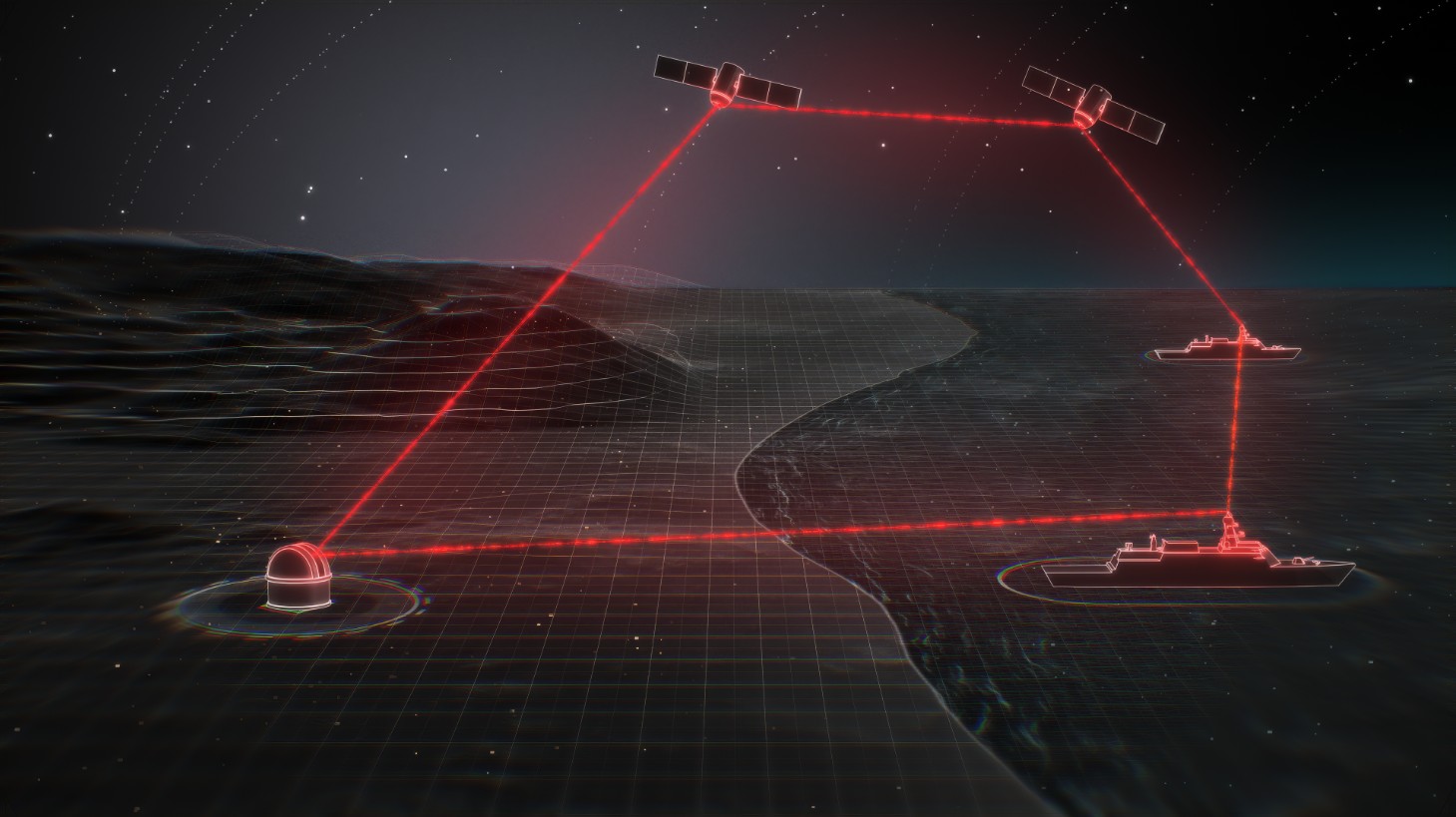
Global satellite connectivity demand will increase more than 11 times between 2024 and 2034, according to Novaspace. Without a rapid scaling of optical laser communications, Europe's sovereign space networks risk falling behind foreign competitors such as Starlink, industry experts said.
The European Commission's push to prioritise European operators in spectrum allocation and the planned IRIS2 constellation aim to reduce reliance on foreign services. Germany's EUR 35 billion defence-space plan adds further heft. Building the infrastructure is only part of the challenge, experts said.
Optical communication uses narrow laser beams that transmit data up to 100 times faster than traditional radio frequency. The beams are harder to detect or jam, and they bypass congested radio spectrum where operators face licensing delays and interference bottlenecks.
Europe has started moving toward optical links. IRIS2 is expected to use laser inter-satellite connections, and HydRON is planned as a multi-orbit optical data transport network. A gap may remain between programme-level capability and wider commercial deployment, experts said.
The Centre for European Policy Studies, in a recent report, said Europe has a capable but fragmented space ecosystem that struggles to scale in satellite manufacturing and secure connectivity.
Astrolight, founded in 2019 by a former co-founder of Kongsberg Nanoavionics, designs and manufactures optical communication terminals for space-to-Earth, space-to-space, ship-to-ship, and ground-based links. The company aims to provide end-to-end optical connectivity. Broader commercial adoption remains a challenge.