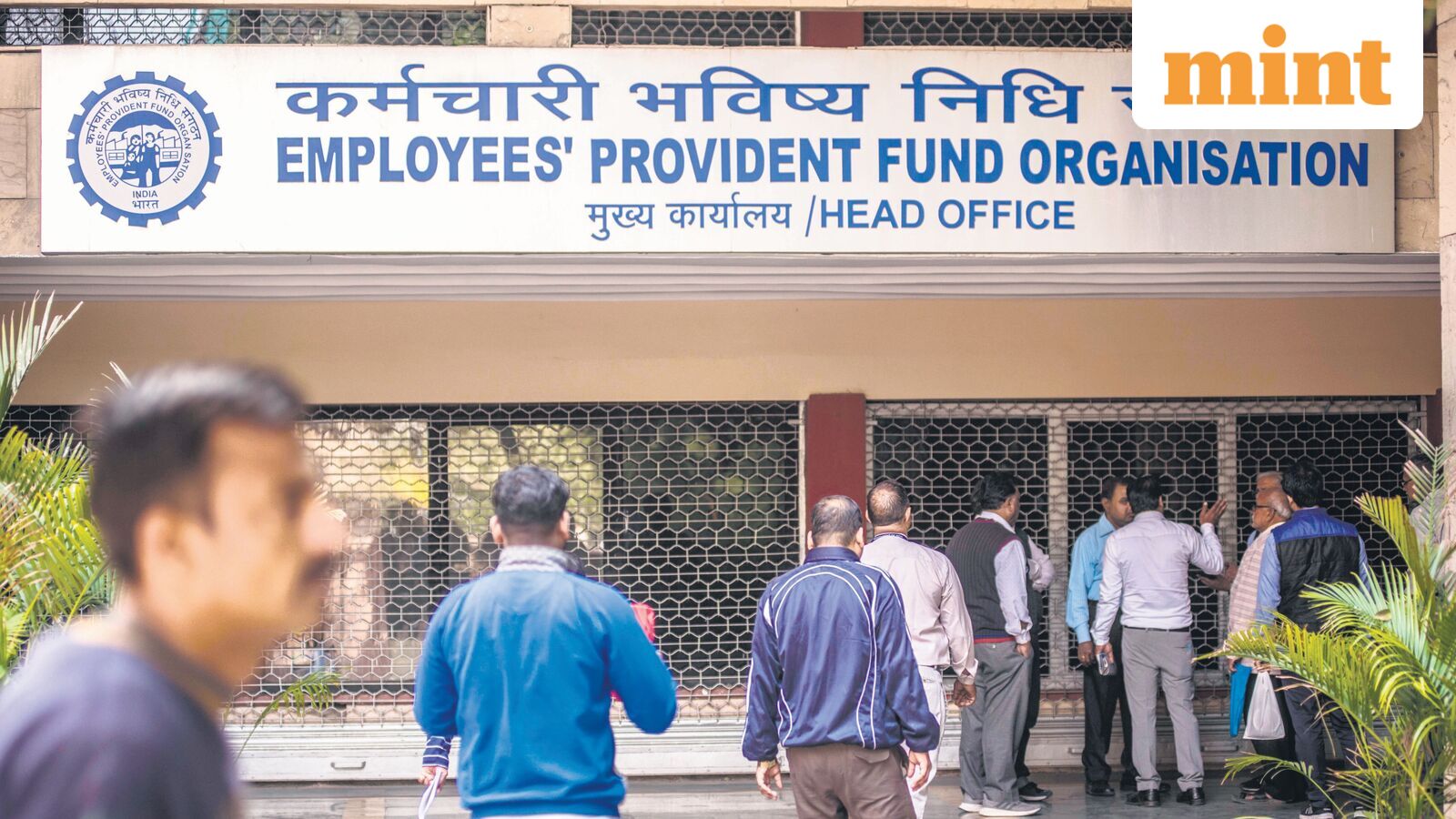
The Pension Payment Order (PPO) number serves as the foundational identifier for retirees within the Employees’ Provident Fund Organisation (EPFO) system. This 12-digit sequence is not merely a reference code; it is the primary mechanism linking individual pension accounts to bank disbursements, dearness allowance adjustments, and the mandatory Jeevan Pramaan life certificate submission process. When this number is misplaced, the administrative friction can lead to interruptions in benefit flows, making the recovery process a critical operational task for pensioners.
Navigating the EPFO Pensioners Portal
The recovery process is centralized through the official EPFO Pension Services portal. The system is designed to verify identity through a multi-factor data match, requiring users to input specific credentials that align with the records held by the EPFO. The portal provides a dedicated interface for this retrieval, labeled as the 'Know Your PPO number' tab. This digital pathway is intended to replace manual inquiries at regional offices, which often involve significant wait times and administrative overhead.
To initiate the recovery, users must navigate to the official portal and select the retrieval option. The system will prompt for the following data points:
- Pension-linked bank account number
- EPF number
- Registered contact number
- Date of birth
- Captcha verification
Once these fields are populated, the system cross-references the input against the central database. If the data matches, the PPO number is displayed on the screen and simultaneously dispatched to the registered email address and mobile number associated with the account. This dual-delivery mechanism serves as a safeguard against immediate re-loss of the information.
Operational Integrity and Data Security
For those managing retirement assets or advising on long-term financial planning, the PPO number acts as the key to liquidity. Any discrepancy in the provided data—such as an outdated contact number or a mismatch between the bank account and the EPFO records—will result in a failed verification. In such instances, the digital portal will not release the PPO, and the user must escalate the issue to a physical EPFO office or utilize the official helpline for manual intervention.
This reliance on accurate, updated records highlights the necessity of maintaining current contact information within the EPFO database. Pensioners are advised to store the retrieved PPO number in multiple secure locations, including digital backups and physical copies shared with family members, to mitigate future access risks. While the process is straightforward, it remains a point of failure for those who have not updated their personal details following changes in banking or contact information.
Strategic Context for Retirement Assets
Understanding the mechanics of pension administration is essential for broader stock market analysis. While the EPFO system is a specific regulatory framework, the underlying principle of administrative access to capital remains a constant across various financial sectors. For investors, the stability of these systems is often a proxy for the efficiency of the broader financial infrastructure.
Welltower Inc. (WELL), which operates in the healthcare real estate sector, currently holds an Alpha Score of 52/100, reflecting a mixed outlook within the real estate space. Much like the administrative requirements of the EPFO, the performance of senior housing and long-term care assets is deeply tied to the reliability of payment systems and regulatory compliance. You can track further developments in the sector via the WELL stock page.
Ultimately, the PPO retrieval process is a reminder that even in highly digitized environments, the burden of data maintenance rests with the individual. Ensuring that bank records, EPF numbers, and contact information are synchronized is the only way to guarantee uninterrupted access to retirement benefits. If the digital portal fails to return the PPO, the issue is almost certainly a data mismatch rather than a system outage, necessitating a direct visit to an EPFO office to rectify the underlying account records.