Eni's Argentina LNG Stake Depends on Fiscal Rules
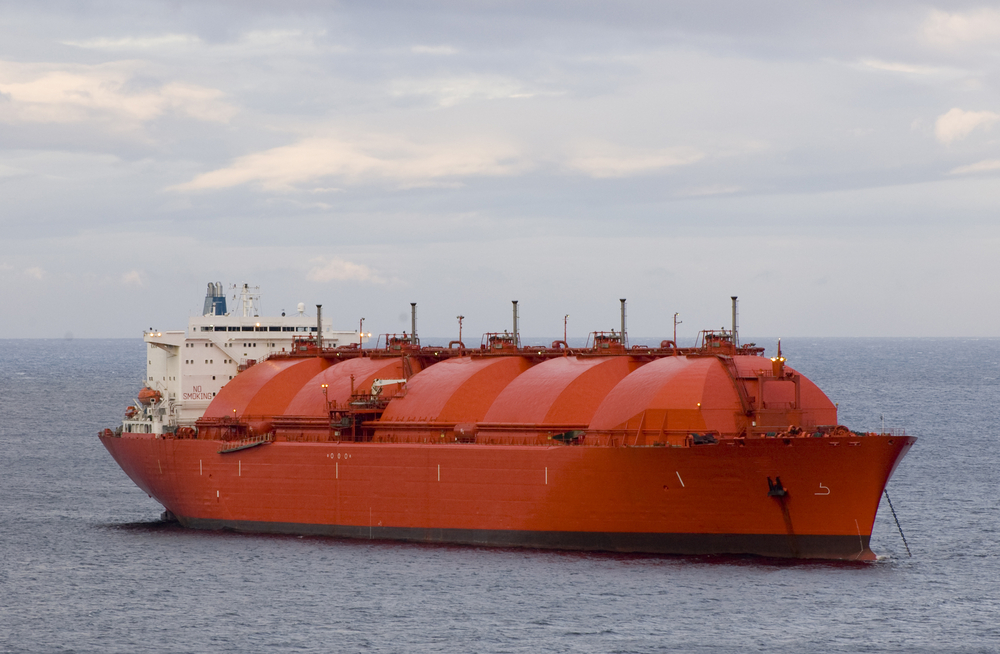
Eni's 32% stake in Vaca Muerta shale blocks supplies Argentina's $7B LNG export project. A stable fiscal regime is needed to unlock investment. YPF faces execution risk.
Alpha Score of 46 reflects weak overall profile with strong momentum, poor quality, moderate sentiment. Based on 3 of 4 signals — score is capped at 90 until remaining data ingests.
Eni agreed to buy a 32% stake in three Vaca Muerta shale gas blocks, the Italian major said June 29. The assets sit in Argentina's Neuquén basin, the world's second-largest shale formation by recoverable resources. Once regulators approve, the blocks will be split between YPF, Eni and XRG, the Abu Dhabi state investor formerly known as Adnoc's international arm. The gas they produce will feed the Argentina LNG project, an integrated scheme that aims to export 12 million metric tonnes per year from two floating liquefaction units.
That is roughly half of what Cheniere's Sabine Pass terminal currently ships. Eni brings real experience with floating LNG: it runs the Coral South FLNG vessel off Mozambique and has a second unit under development in Congo. The partnership is meant to convert Vaca Muerta's vast shale resources into competitive exports for the international market, company leadership said.
The simple read is straightforward. Eni pays for acreage. YPF gets a partner for its long-delayed export push. XRG adds a South American gas position. The deeper read is a question of execution. Argentina has tried to monetise Vaca Muerta for years. Pipeline bottlenecks, capital controls, inflation, and a complicated federal and provincial tax system have limited gas exports to nearby Chile and Brazil. The LNG project requires roughly $7 billion in upfront spending for the FLNG vessels alone, plus drilling and pipeline connections to the Atlantic coast.
YPF carries the heaviest load. The state-controlled producer has a mixed record on large capital projects. Its balance sheet is stretched. On AlphaScala's proprietary scoring system, YPF rates 46 out of 100, a "Mixed" label that reflects its leveraged position in a volatile fiscal environment. Eni's entry adds technical credibility. It does not fix Argentina's structural capital-access problem.
Time is another variable. Regulatory approvals are expected in the next 12 to 18 months, followed by a final investment decision. If FID slips past 2026, the project risks colliding with new LNG supply from Qatar's North Field expansion and the next wave of US Gulf Coast projects. That window matters. Global LNG prices have come down from the 2022 spike. Long-term buyers are locking in contracts now. Argentina needs to sign up off-takers before the market tightens again.
A clear fiscal regime for the project would confirm the thesis. Argentina's Congress has debated a law that fixes export duties and guarantees access to foreign-exchange revenue. Passing it would lower the risk profile considerably. Without such a law, the project remains vulnerable to policy reversals and cost overruns that could make its LNG uncompetitive at sub-$6 per million BTU delivered to Asia.
The position to watch is YPF. A successful Vaca Muerta LNG project transforms its reserve valuation. A failure leaves it with more debt and no export route. The stock already trades at a discount to regional peers on a barrels-of-oil-equivalent basis, partly because of that execution uncertainty. Eni's entry reduces the probability of failure by some margin. It does not eliminate it.
The next concrete date is the regulatory filing in Argentina's Energy Secretariat, expected in the fourth quarter.
Drafted by a large language model from the source reporting linked above, then screened by automated publishing checks. It is not read by a journalist before publication. Some articles cite our Alpha Score. Verify prices and figures against the original source. Educational coverage, not personalized advice.