Commodities● Neutral
Engineer Uses Whoop Tracker to Pinpoint Stressful Coworkers
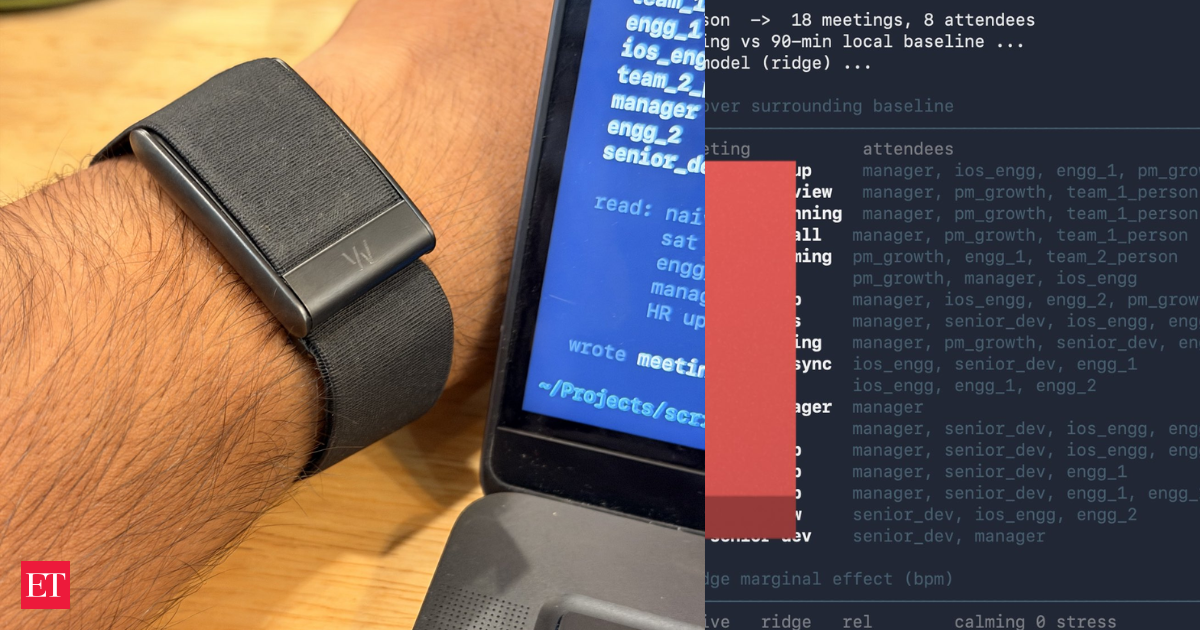
A software engineer mapped his Whoop heart rate data against work calendar events to find which meetings and colleagues caused the biggest stress spikes. The social media reaction was mixed.
Continue with
Pankaj Tanwar, a software engineer, figured out which meetings and colleagues were driving his stress levels. He connected his Whoop fitness tracker to his work calendar and cross-referenced heart rate data. The result was a map of peaks in physiological strain tied to specific calendar events and the people on them.
Tanwar shared the method on social media. The post circulated quickly. Responses ranged from amusement to curiosity. Some commenters asked for the technical setup. Others questioned the workplace implications of tracking stress so granularly. A few pointed out that the data might reveal patterns the user could act on, like avoiding certain meeting formats or delegating particular interactions.
The approach itself is straightforward in concept: take a continuous biometric stream, timestamp it against calendar entries, and look for outliers. Tanwar used Whoop's raw heart rate data and a script to align it with event start and end times. The spike events were meetings where heart rate jumped above his baseline. He then associated those spikes with the attendees listed on the invitation.