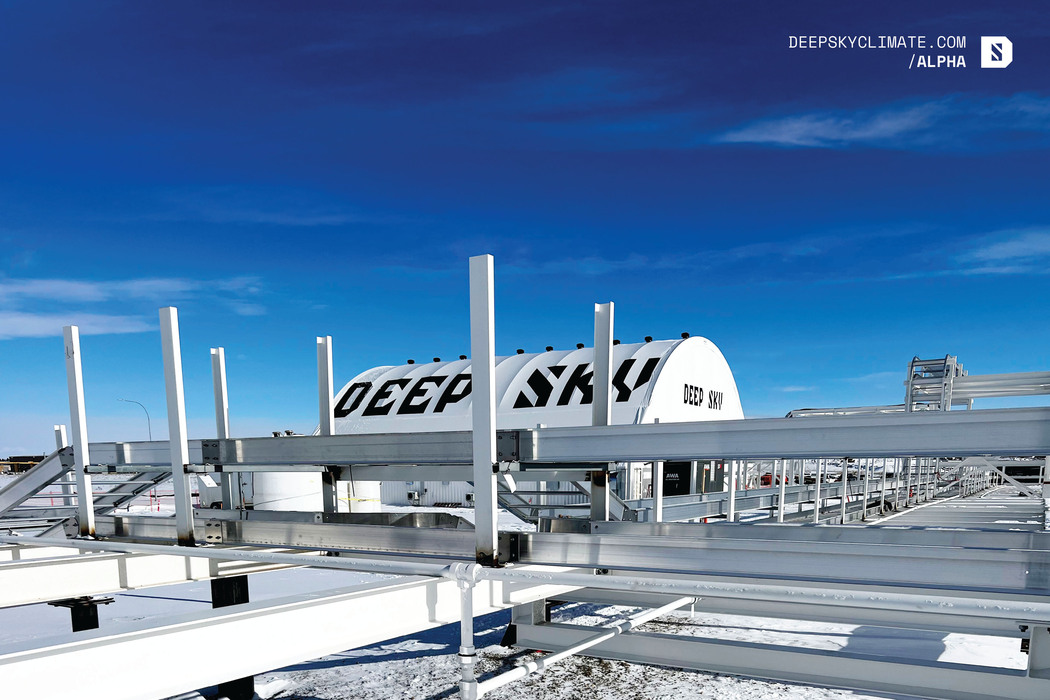
The carbon removal sector reached a new operational milestone this week as Montréal-based Deep Sky announced a strategic partnership with French energy giant ENGIE. This collaboration centers on the procurement of carbon removal credits and a joint commitment to research and development. By linking a specialized carbon removal developer with a multinational energy utility, the agreement signals a shift toward integrating industrial-scale carbon capture into broader energy infrastructure.
Strategic Integration of Carbon Removal Credits
The core of the agreement involves ENGIE purchasing carbon removal credits from Deep Sky. This arrangement provides a direct revenue stream for Deep Sky while allowing ENGIE to incorporate high-quality carbon offsets into its long-term sustainability framework. The partnership effectively bridges the gap between early-stage carbon removal technology and the capital requirements of large-scale energy providers. As energy firms face increasing pressure to balance grid reliability with net-zero mandates, these procurement agreements serve as a primary mechanism for meeting carbon reduction targets.
Research and Development Synergies
Beyond credit procurement, the partnership focuses on collaborative research and development. This technical alignment suggests that the two companies intend to move beyond simple transactional credit purchases. By pooling resources, they aim to refine the efficiency of carbon removal processes and explore the feasibility of scaling these technologies within existing energy assets. This development is particularly relevant for firms navigating the complex transition toward stock market analysis and sustainable energy infrastructure, where the cost of carbon capture remains a significant barrier to entry.
Market Context and Operational Outlook
For the broader technology and energy sectors, this partnership highlights the growing importance of verifiable carbon removal in corporate climate strategies. While many companies rely on traditional offsets, the move toward engineered carbon removal suggests a preference for more permanent, measurable solutions. This trend is likely to influence how other energy majors approach their own decarbonization roadmaps. Investors should monitor how these R&D efforts translate into operational efficiencies, as the ability to lower the cost per ton of removed carbon will determine the long-term viability of these projects.
AlphaScala data currently assigns ON (ON Semiconductor Corporation) an Alpha Score of 45/100, reflecting a Mixed sentiment within the technology sector. You can track further developments on the ON stock page to see how broader industrial technology trends align with these emerging carbon-focused partnerships.
Next Concrete Markers
The next phase for this partnership will be the disclosure of specific R&D milestones and the volume of credits transferred under the initial agreement. Observers should watch for updates regarding the deployment of pilot projects at ENGIE facilities, as these will serve as the primary indicator of whether the collaboration can scale beyond initial research goals. Any subsequent filings or project updates will provide clarity on the timeline for commercial-scale implementation and the financial impact of these carbon removal credits on the respective balance sheets.