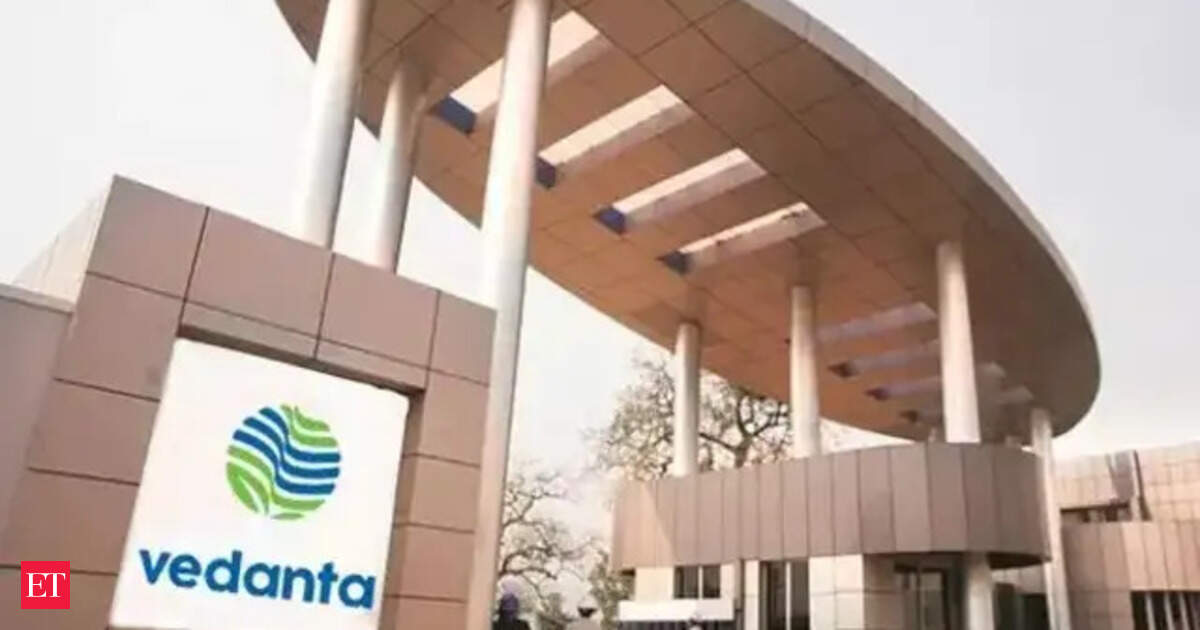
Vedanta Aluminium has been issued a demand notice for Rs 233.11 crore following allegations of unauthorized water extraction from the Bheden river in Odisha. The Burla irrigation division determined that the company drew significant daily volumes of water without the required regulatory permits. This financial liability encompasses base usage charges, a penalty calculated at six times the base rate, and accrued monthly interest.
Operational Constraints and Regulatory Compliance
The imposition of this penalty highlights the increasing scrutiny on industrial water usage in water-stressed regions. For a company heavily reliant on consistent water access for its smelting and refining operations, the sudden demand for payment creates an immediate liquidity pressure. The Burla irrigation division has set a one-month deadline for the settlement of these dues, forcing the firm to reconcile its operational water consumption with local resource management policies.
This development underscores the broader challenges faced by the basic materials sector as environmental regulations tighten. Companies like RS often navigate similar regulatory landscapes where resource extraction rights are subject to strict oversight and potential financial clawbacks. The enforcement action in Odisha serves as a reminder that unauthorized resource utilization carries direct fiscal consequences that can impact quarterly operational costs.
Infrastructure and Resource Management
Water remains a critical input for aluminium production, and the reliance on local river systems often places industrial facilities in direct competition with agricultural and domestic needs. The Bheden river incident reflects a growing trend where state authorities are utilizing penalty structures to manage industrial demand. If the company fails to meet the one-month payment deadline, the irrigation department may initiate further recovery proceedings or restrict access to the water source, which would disrupt production schedules.
For investors monitoring the energy and materials space, such as those tracking ET, the incident emphasizes the importance of verifying resource permits and environmental compliance. The next concrete marker for this situation will be the company's response to the payment deadline. A failure to settle the amount or a move to challenge the penalty in court will determine whether this remains a localized financial hit or evolves into a broader operational bottleneck for the facility.
AlphaScala data currently tracks various firms within the basic materials and energy sectors, with RS holding an Alpha Score of 44/100 and ET maintaining a score of 62/100. These metrics reflect the ongoing volatility and regulatory risks inherent in large-scale industrial operations. As the deadline approaches, the focus will shift to whether the company secures a stay on the order or proceeds with the full payment to maintain its current water intake levels.