Export Capacity and Geopolitical Exposure
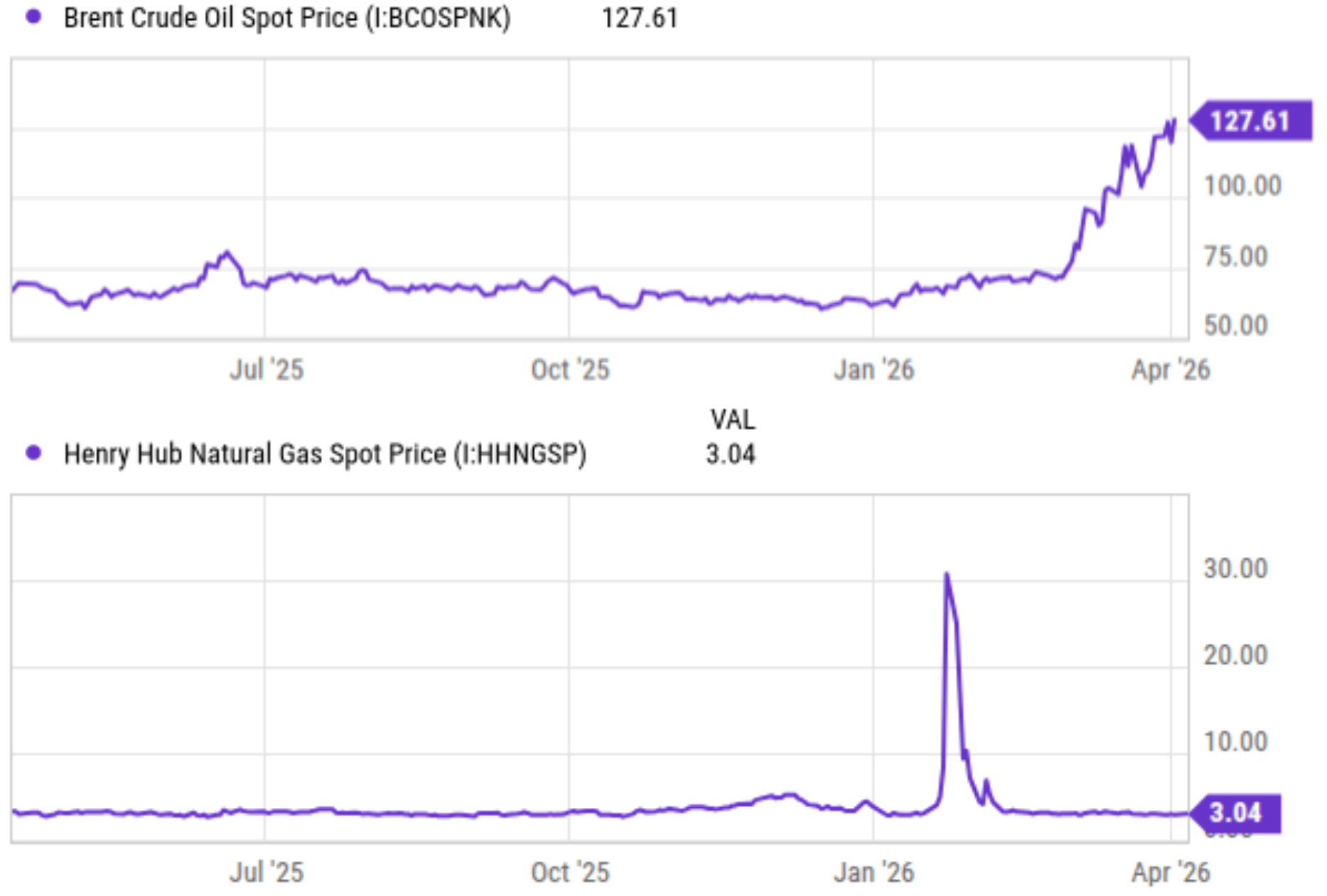
Energy Transfer (ET) is currently positioned to capture upside from potential supply chain disruptions in the Middle East. As geopolitical tensions involving Iran threaten energy transit corridors, the firm’s focus on NGL exports becomes a critical variable for cash flow stability. The company has invested heavily in infrastructure that facilitates the movement of natural gas liquids to international markets, providing a buffer against domestic price volatility.
While commodity prices often trade on short-term noise, the firm’s reliance on fee-based contracts mitigates exposure to the underlying price swings of the underlying hydrocarbons. This structure allows the partnership to sustain consistent distribution payouts even when energy markets face localized supply shocks or conflict-driven spikes in shipping costs.
Dividend Stability as the Market Anchor
For investors, the primary signal remains the dividend. Unlike upstream operators that see direct correlation between bottom-line earnings and WTI or Brent crude prices, midstream players like ET prioritize volume throughput. The partnership's ability to maintain and grow its distribution relies on the utilization of its pipeline network rather than the absolute price of the product moving through the pipes.
| Metric | Strategic Focus |
|---|
| Revenue Stream | Fee-based contracts |
| Growth Lever | NGL export expansion |
| Capital Allocation | Dividend distribution |
Market Implications for Midstream Traders
Traders should monitor the spread between domestic NGL prices and international benchmarks. If Middle Eastern conflict persists, shipping premiums will likely widen, providing an arbitrage opportunity for firms with significant export terminal capacity. This environment usually benefits the broader midstream sector, though ET specifically has a higher sensitivity to export volume growth compared to peers with more regional, gas-gathering-focused portfolios.
Those tracking stock market analysis will note that midstream equities often decouple from the broader SPX during periods of energy market instability. While the tech sector—led by names like NVIDIA (NVDA)—may react to interest rate expectations, ET and its peers are increasingly viewed as a defensive play on energy security. Investors looking to build positions should examine the entry points relative to the ex-dividend date, as the yield-seeking crowd often creates artificial support levels prior to payout announcements.
Catalysts to Watch
- Export Volume Data: Watch for monthly updates on NGL export throughput from the Gulf Coast. Any sustained increase in volume confirms the success of recent infrastructure expansions.
- Geopolitical Premiums: Monitor CL (Crude Oil) futures for spikes linked to the Strait of Hormuz. While ET is not a direct producer, these moves drive the urgency for international buyers to secure long-term NGL contracts.
- Interest Rate Sensitivity: As a master limited partnership, ET is sensitive to the cost of debt. A move by the Fed that signals a higher-for-longer rate environment could cap the valuation multiple, even if operational volume remains strong.
The durability of the dividend is the primary thesis for holding ET. Traders should treat energy price fluctuations as noise and focus on the firm's capacity to maintain throughput in a volatile geopolitical climate.