A Sudden Shift in Geopolitical Risk
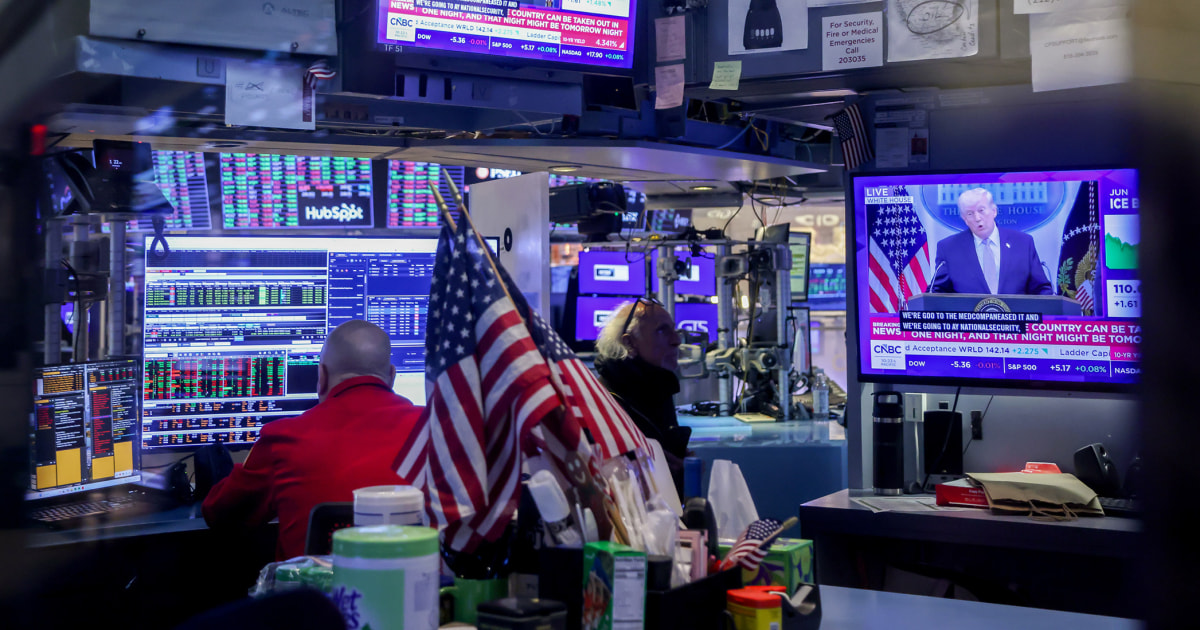
Global energy markets experienced a seismic shift in overnight trading as crude oil prices plummeted by 12% following a surprise announcement from President Donald Trump. The President signaled a potential de-escalation in the ongoing conflict with Iran, floating the prospect of a "double-sided ceasefire" lasting two weeks. The news has sent shockwaves through the commodities sector, triggering a sharp reversal in the risk premium that has dominated oil pricing throughout the current geopolitical standoff.
While the commodity complex faced a brutal sell-off, equity markets reacted with immediate optimism. U.S. stock futures rallied sharply in the wake of the announcement, reflecting a broader investor sentiment that a cooling of tensions in the Middle East could stave off potential supply-chain disruptions and inflationary pressures associated with higher energy costs.
The Mechanics of the Market Reaction
The 12% drop in crude oil represents a significant unwinding of the "war premium" that traders had baked into futures contracts. For weeks, the market has been pricing in the potential for a localized conflict to spiral into a broader regional crisis, which would threaten the flow of oil through critical maritime chokepoints like the Strait of Hormuz. By suggesting a defined, two-week window for a cessation of hostilities, the administration has effectively provided a roadmap for de-escalation, allowing algorithmic and institutional traders to aggressively hedge or exit long positions in energy futures.
For investors, the sudden rally in stock futures is a classic "risk-on" response. Lower energy prices act as a de facto tax cut for consumers and a margin-expander for transport-heavy industries, both of which are critical drivers of S&P 500 performance. When geopolitical tail-risk is removed from the equation, capital rotation often favors equities over safe-haven assets, which had previously seen significant inflows due to the threat of kinetic conflict.
Contextualizing the Ceasefire
To understand the significance of this move, one must look at the volatility that preceded it. Energy markets have been hypersensitive to rhetoric originating from Washington and Tehran. The prospect of a ceasefire—even one as short as 14 days—alleviates the immediate fear of a sudden supply shock. Historically, oil markets are quick to price in the "worst-case scenario" regarding Middle Eastern production; therefore, any credible signal of diplomatic progress triggers a violent correction in the opposite direction.
However, market participants remain cautious. A two-week ceasefire, while providing short-term relief, does not resolve the underlying structural tensions between the two nations. Professional traders will be watching for confirmation of the ceasefire's implementation and, more importantly, whether the diplomatic window leads to a more sustained period of stability.
What Traders Should Watch Next
The immediate aftermath of this announcement will likely be defined by high-frequency volatility as the market attempts to find a new equilibrium. Traders should monitor three key indicators in the coming sessions:
- Crude Futures Support Levels: With a 12% drop, the market will look to identify where fundamental support lies. If the ceasefire holds, look for consolidation; if it falters, expect a rapid re-test of previous highs.
- Equity Sector Rotation: Watch for how energy stocks perform relative to the broader market. While oil prices are down, energy companies may face pressure, while sectors like airlines and logistics providers could see a sustained boost.
- Diplomatic Verification: The market will remain hyper-focused on official statements from Iranian leadership. Any sign that the "double-sided" agreement is not being honored will likely result in a rapid reversal of the current market rally.
As the situation develops, the primary variable remains the durability of the ceasefire. For now, the global markets have interpreted the news as a clear signal to deleverage from geopolitical risk, favoring a broader recovery in equities over the previously elevated energy complex.