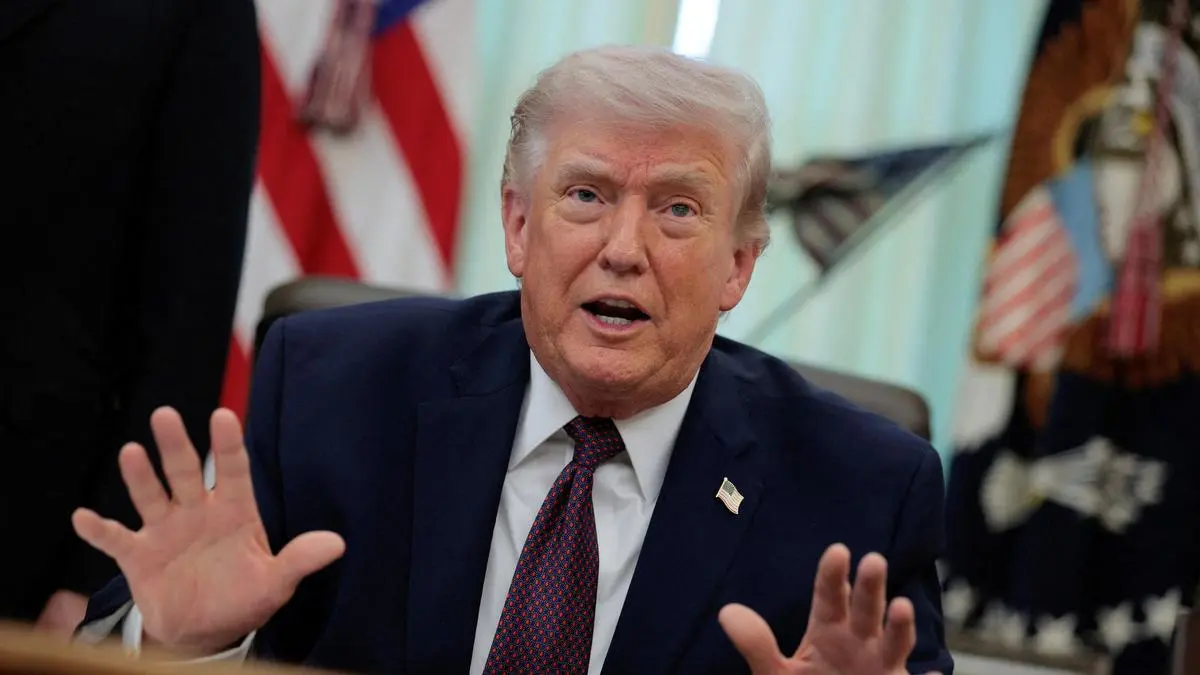
President Donald Trump has directed administrative staff to prepare for a potentially lengthy naval blockade of the Strait of Hormuz. This directive follows reports that Iranian officials requested the United States lift the current blockade as a condition for entering negotiations to conclude the ongoing two-month conflict. The administration's refusal to concede on this maritime position signals a strategic commitment to maintaining pressure on energy transit routes despite the resulting volatility in global supply chains.
Strategic Implications for Global Energy Transit
The Strait of Hormuz remains a critical bottleneck for international oil and gas shipments. By signaling a readiness for a protracted standoff, the administration is effectively decoupling the cessation of hostilities from the immediate restoration of commercial shipping lanes. This stance forces energy markets to price in a sustained reduction in throughput capacity. The focus is now on how long global inventories can buffer the shortfall before the logistical constraints translate into more severe price adjustments across the energy sector.
Sector Read-Through and Operational Risks
Energy producers and logistics firms are currently evaluating the durability of their supply chains in the face of this extended blockade. The primary concern for the sector is the potential for a cascading effect on refining margins and regional distribution costs. Companies with heavy reliance on Middle Eastern crude are forced to reassess their procurement strategies, as the prospect of a short-term diplomatic resolution appears to be fading. This shift necessitates a move toward alternative supply sources, which may lack the necessary infrastructure to scale rapidly.
AlphaScala data currently tracks Hasbro, Inc. (HAS) under the Consumer Cyclical sector, where it remains Unscored. While Hasbro operates outside the energy sector, broader market volatility often impacts consumer discretionary spending patterns when energy costs rise. Investors monitoring the HAS stock page should consider how sustained energy price inflation might influence household budgets and overall retail demand.
The Path to Market Stabilization
The next concrete marker for this narrative will be the formal response from international maritime authorities and any subsequent adjustments to naval deployment patterns in the region. Should the administration maintain its current posture, the market will look for evidence of rerouting efforts or emergency releases from strategic petroleum reserves. The absence of a de-escalation timeline suggests that the current supply-side constraints will remain a primary driver of energy market sentiment for the foreseeable future. Any shift in the diplomatic channel, particularly regarding the specific terms of the blockade, will serve as the primary indicator for a potential reversal in the current risk premium applied to energy assets. This situation remains tightly linked to broader stock market analysis regarding the impact of geopolitical friction on global growth forecasts.