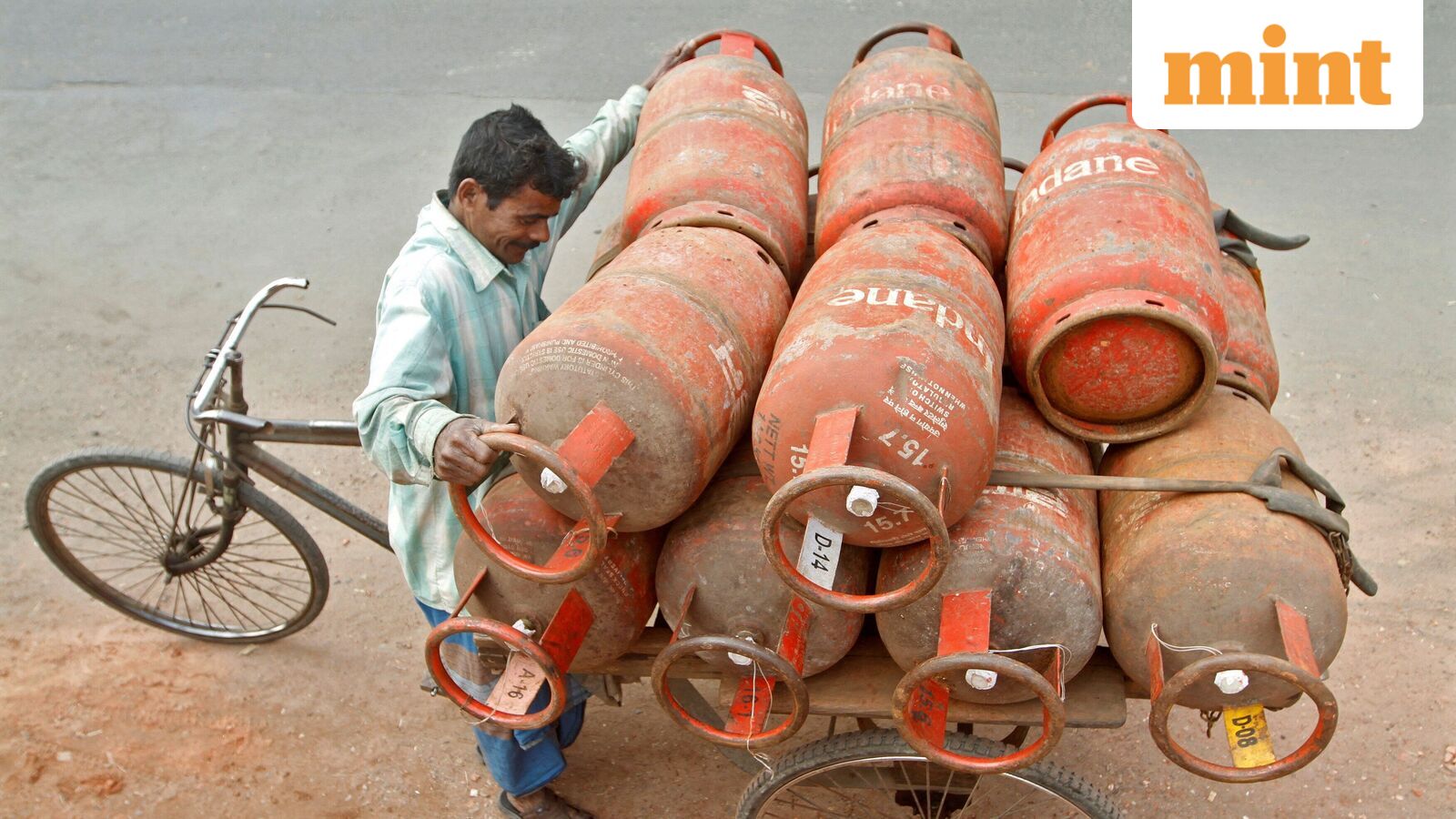
Retail energy pricing in India faces mounting pressure as international crude oil benchmarks remain elevated due to ongoing geopolitical instability in West Asia. While state-owned oil marketing companies have maintained stable retail rates for petrol and diesel by absorbing price fluctuations, the broader energy complex remains sensitive to supply chain disruptions. This environment creates uncertainty for domestic and commercial LPG consumers as they anticipate potential adjustments to cylinder rates.
Geopolitical Risk and Energy Supply Chains
The persistence of conflict in West Asia continues to complicate global energy logistics. Disruptions in key transit corridors have historically tightened supply, forcing regional importers to navigate higher landed costs for refined products. Because India relies heavily on imported energy to meet domestic demand, the inability of state-owned entities to pass on these costs indefinitely creates a structural tension in the market. The current stability in retail pricing acts as a temporary buffer, but it does not eliminate the underlying exposure to global price volatility.
Market participants are monitoring whether the current pricing strategy can persist if international benchmarks continue their upward trajectory. The interplay between global crude prices and local retail policy remains the primary determinant of domestic fuel costs. For a deeper look at how these global disruptions influence regional energy security, see our analysis on Asia-Pacific Energy Security Faces Prolonged Strain Amid Middle East Disruptions.
Domestic LPG Pricing and Regulatory Outlook
LPG pricing in major metropolitan centers like Bengaluru, Delhi, and Mumbai is subject to periodic revisions that reflect international parity and government subsidy policies. Consumers are currently awaiting clarity on whether regulatory adjustments will take effect in early May. These revisions typically account for the weighted average of international LPG prices and the prevailing exchange rate, both of which have been volatile throughout April.
The following factors remain critical for the upcoming pricing cycle:
- The duration of the current retail price freeze by state-owned oil companies.
- The impact of international LPG price benchmarks on monthly revisions.
- Potential shifts in government subsidy allocations to mitigate the burden on households.
AlphaScala data currently tracks several companies operating within the broader industrial and consumer sectors that are sensitive to energy input costs. For instance, ON Semiconductor Corporation maintains an Alpha Score of 45/100, while Amer Sports, Inc. holds a score of 47/100. Hasbro, Inc. remains unscored at this time. These metrics reflect the mixed sentiment currently present across technology and consumer cyclical sectors as they navigate fluctuating operational expenses.
As the market approaches the start of May, the next concrete marker will be the official announcement of LPG cylinder rates. This update will provide the first signal of whether the government intends to maintain the current absorption strategy or if it will allow retail prices to align more closely with international market realities. Traders and consumers should monitor official government notifications for the finalized rate structures in major cities.