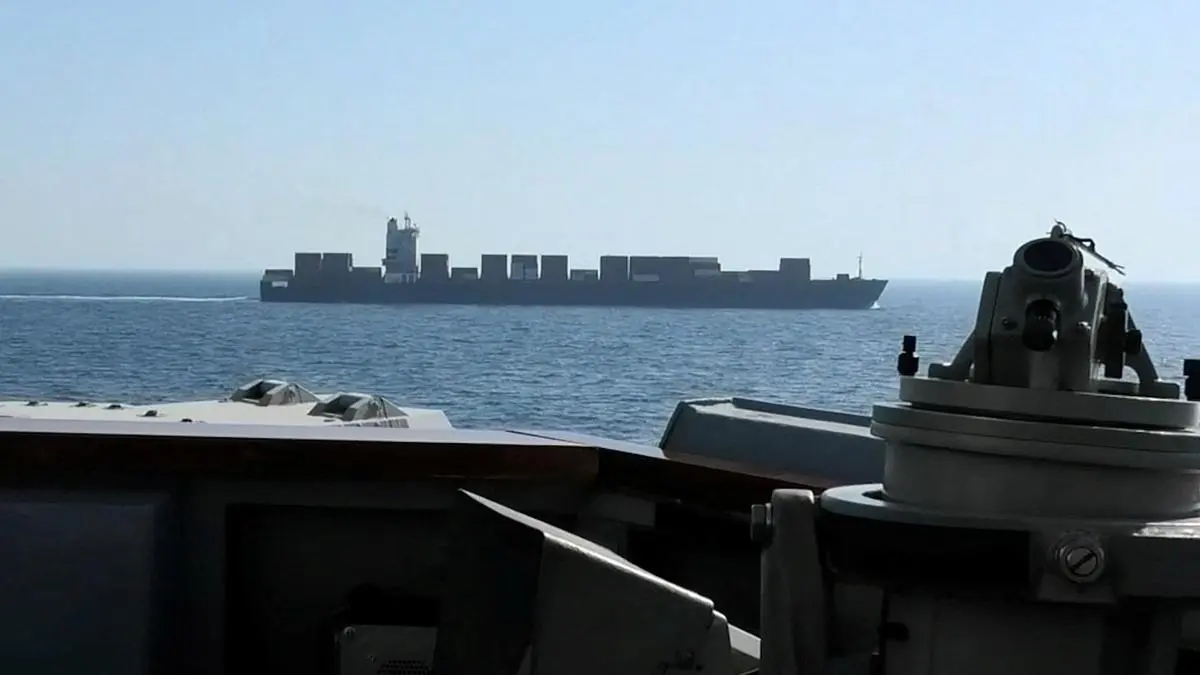
Energy Logistics Face Heightened Risk as US Intercepts Iranian Tanker

The US Navy's interception of a sanctioned Iranian tanker in the Arabian Sea marks an escalation in energy export enforcement, raising risks for maritime logistics and energy supply chains near the Strait of Hormuz.
Alpha Score of 47 reflects weak overall profile with moderate momentum, poor value, moderate quality. Based on 3 of 4 signals — score is capped at 90 until remaining data ingests.
HASBRO, INC. currently screens as unscored on AlphaScala's scoring model.
Alpha Score of 58 reflects moderate overall profile with moderate momentum, moderate value, moderate quality, moderate sentiment.
Alpha Score of 51 reflects moderate overall profile with poor momentum, strong value, strong quality, weak sentiment.
The interception of a sanctioned tanker in the Arabian Sea by US naval forces signals a shift toward more aggressive enforcement of energy export restrictions. By forcing the vessel to return to Iranian waters, the US has effectively tightened the blockade near the Strait of Hormuz. This action marks a departure from previous monitoring efforts and introduces a new layer of friction for maritime energy logistics in the region.
Escalation in the Strait of Hormuz
The Strait of Hormuz remains a primary artery for global oil transit. Any disruption to the flow of energy through this corridor creates immediate volatility in shipping insurance premiums and transit timelines. The decision to intercept and turn back a vessel suggests that the current enforcement strategy is moving beyond surveillance toward active physical intervention. This change forces operators to reassess the risk profile of routes passing through the Arabian Sea.
For companies operating within the energy and industrial sectors, the primary concern is the potential for retaliatory measures or further maritime blockades. If the frequency of these interceptions increases, the cost of securing energy shipments will likely rise. This creates a direct impact on the bottom line for firms reliant on consistent supply chains through the Middle East.
Sector Read-Through and Operational Costs
Energy-intensive sectors are particularly sensitive to these maritime developments. Companies that rely on consistent fuel pricing and predictable delivery schedules must now account for a higher probability of transit delays. The uncertainty surrounding the Strait of Hormuz often leads to a spike in spot market rates for tankers, as insurance providers adjust their risk models to reflect the increased probability of conflict or seizure.
AlphaScala data currently reflects a cautious environment for broader industrial and consumer cyclical equities. For instance, AS stock page holds an Alpha Score of 47/100, while ON stock page sits at 45/100, both categorized as Mixed. These scores reflect the broader market sensitivity to geopolitical instability and the resulting pressure on global supply chains.
The Path to Market Reassessment
The next concrete marker for this narrative will be the response from regional shipping insurers and the subsequent adjustment of war-risk premiums for vessels operating in the Arabian Sea. If insurance costs begin to climb, it will serve as a leading indicator that the market is pricing in a sustained period of maritime instability. Investors should monitor upcoming reports from major shipping conglomerates regarding their transit strategies and any force majeure declarations that may arise from the tightening blockade. The persistence of these interceptions will determine whether this remains a localized enforcement action or evolves into a broader disruption of energy transit routes.
AI-drafted from named sources and checked against AlphaScala publishing rules before release. Direct quotes must match source text, low-information tables are removed, and thinner or higher-risk stories can be held for manual review.