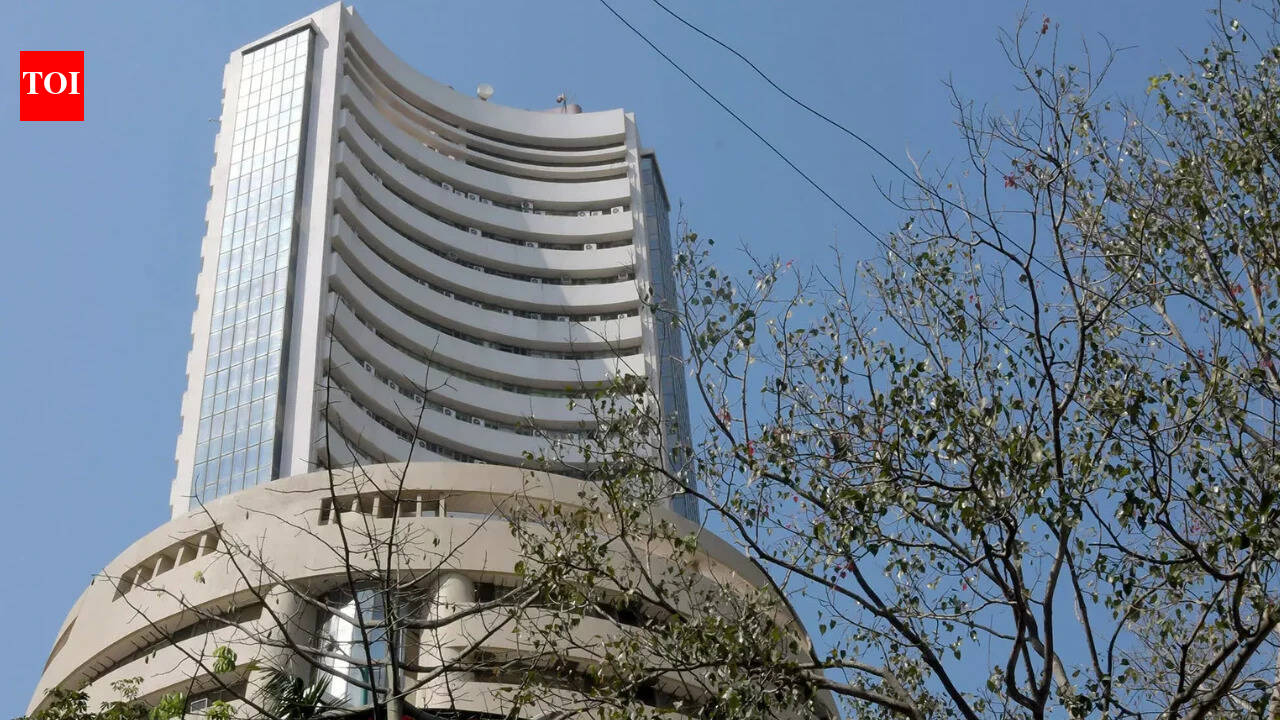
The Indian equity market faced a sharp correction on Thursday as the Sensex dropped 852 points, or 1.1%, to close at 77,664. This decline follows a period of heightened sensitivity to external macroeconomic variables, specifically the persistent elevation of Brent crude oil prices above $103 per barrel. The convergence of energy price volatility and a weakening rupee, which slipped 30 paise to close at 94.1 against the dollar, has disrupted the recent momentum seen in stock market analysis.
Macroeconomic Drag on Domestic Indices
The current market narrative is dominated by the interplay between imported inflation and currency depreciation. When Brent crude remains above the $100 threshold, the fiscal implications for an oil-importing economy like India become immediate. The resulting pressure on the rupee creates a dual-headwind scenario where both corporate input costs and the cost of capital are forced higher. This environment forces a repricing of risk across the Nifty and Sensex, as investors adjust to the reality of sustained inflationary pressure.
Previous sessions had seen optimism regarding geopolitical de-escalation, as noted in reports on the Nifty 50 and Sensex rally 1.6% on geopolitical de-escalation. However, the current stall in peace talks has effectively erased those gains, forcing a return to a defensive posture. The market is now reacting to the lack of a clear resolution in international conflicts, which keeps the risk premium for emerging market equities elevated.
Sectoral Vulnerability and Valuation Adjustments
Industries with high exposure to energy inputs and foreign currency debt are experiencing the most significant valuation compression. The automotive and technology sectors are particularly sensitive to these shifts in the macro landscape. For instance, companies like Ford Motor Company (Alpha Score 44/100) and ON Semiconductor Corporation (Alpha Score 45/100) operate within global supply chains that are currently navigating these exact inflationary pressures. The broader market is now pricing in a period of margin contraction as companies struggle to pass on the increased costs of logistics and raw materials.
Investors are shifting their focus toward the next set of trade balance data and central bank commentary. The primary concern is whether the current currency weakness will trigger a more aggressive policy response to stabilize the rupee. Until the Brent crude price shows a sustained retreat or the rupee finds a stable floor, the index is likely to face continued resistance at higher levels. The next concrete marker for the market will be the upcoming monthly trade deficit figures, which will provide a clearer picture of how much the current energy price environment is impacting the nation's external balances.