Electricity Bills Surge 40% in Five Years, Emerge as Election Risk
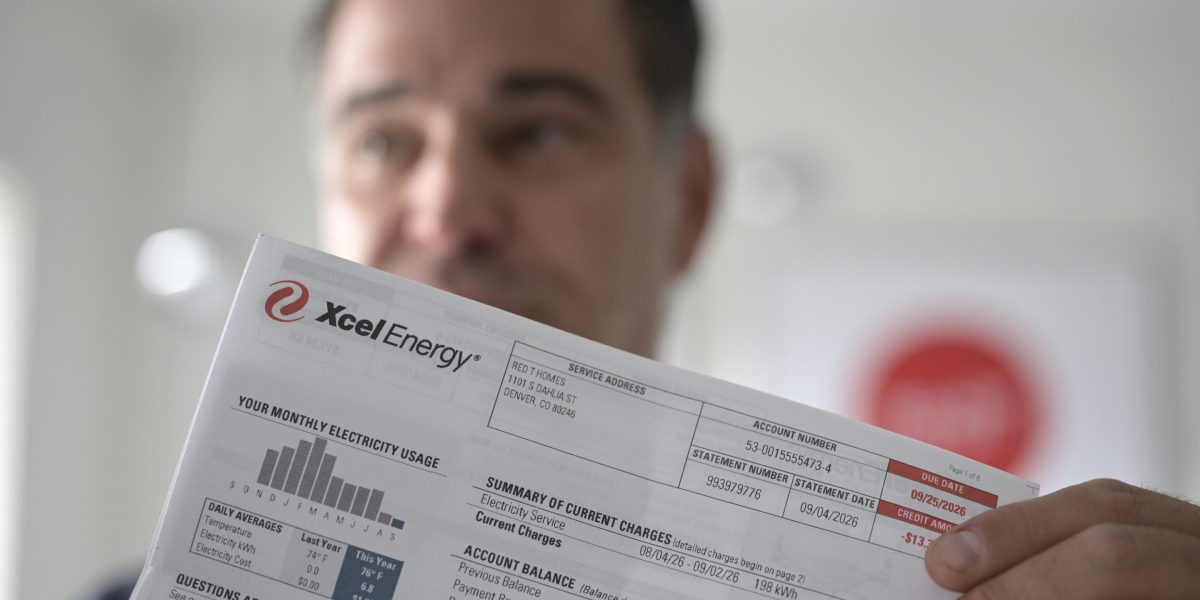
Electricity rate hikes of $23.1B in 2026, heating oil up 74% YoY, and data center demand put utility costs at the center of midterm elections.
Spiking electricity and heating costs have become a midterm election flashpoint, with rate hike requests on track to match last year's record $31 billion and heating oil prices up 74% from a year ago, according to data from non-profits tracking the sector.
Electricity prices have risen roughly 40% on average over the past five years. Through the first three quarters of 2026, utilities have requested another $23.1 billion in rate increases, PowerLines executive director Charles Hua said. The 2025 record of nearly $31 billion was almost double the previous high.
“This is no longer a boring, sleepy energy story,” Hua said. “I cannot think of another election cycle prior to this 2026 midterm cycle where electricity and utility bills were on the ballot.”
Investor-owned utilities have boosted planned capital expenditure by more than 27% to at least $1.4 trillion through 2030, up from $1.1 trillion a year ago, according to PowerLines. Most previous rate hikes were tied to grid upgrades, extreme weather, and fuel-price volatility, but future spending also includes new power generation for AI data centers.
Data center developers can build behind-the-meter power or pay to offset grid costs, though the approach varies by project and region. Some states have imposed data center moratoriums; others have rejected or trimmed rate hikes. The White House pushed a non-binding “Ratepayer Protection Pledge” with hyperscalers.
“Data centers are putting significant pressure on the grid and whether or not, in any given electricity market or state, data centers are actually driving up electricity rates is a very nuanced conversation,” Hua said. “Regardless of the reality, there certainly is a perception in most, if not all states at this point, that data centers could be driving up utility bills.”
Fuel costs add to the pressure. As of Friday, regular gasoline averaged $4.33 a gallon, up 42% from a year ago and the first time gasoline has exceeded $4 in October. Diesel was $6.33, up 73%. Heating oil in September was up 74% year-over-year, nearly double the gasoline jump, just as households begin filling tanks for winter.
“A typical oil-heated home burns 500 to 700 gallons a year,” said Jamie Van Nostrand, policy director of the Future of Heat Initiative. “At today’s prices, that’s $3,000 to $4,000, or 50% to 75% more than this time last year.”
Utility rate hikes are a particularly potent political issue because consumers can push back through elected officials, including public utility commissioners. Nearly half of the $4.5 billion in third-quarter rate requests came from southern states, PowerLines data show. The single largest quarterly request came from Jersey Central Power & Light, which asked for $700 million.
Hua said the political dynamic has shifted. “Electricity politics are ratcheting up in terms of the pressure point. What was once a boring, sleepy issue where the PUC made decisions more or less in a vacuum is no longer the case. This is now a political issue.”
Many states are exploring ways to better use existing grid resources, such as utility-scale batteries and virtual power plants that automatically cut consumption at peak times, as a cheaper alternative to new generation.
The risk for markets is that pending rate hikes, combined with a cold winter, could push household energy spending even higher, potentially triggering regulatory caps or moratoriums that would hit utility revenues and delay grid investment. With fuel prices already elevated, the next catalyst is winter heating demand.
“People do notice when their gasoline prices are high,” Hua said. “There’s just a general feeling of malaise and frustration that bills are going up, that they can’t afford it, and part of what’s new is just the degree to which energy costs are now the greatest in magnitude drivers upwards of prices.”
Drafted by a large language model from the source reporting linked above, then screened by automated publishing checks. It is not read by a journalist before publication. Some articles cite our Alpha Score. Verify prices and figures against the original source. Educational coverage, not personalized advice.