EES queues have already cost travellers £250 for missed flights. Travel insurance does not cover these delays. Here is what experts say you must do before you travel.
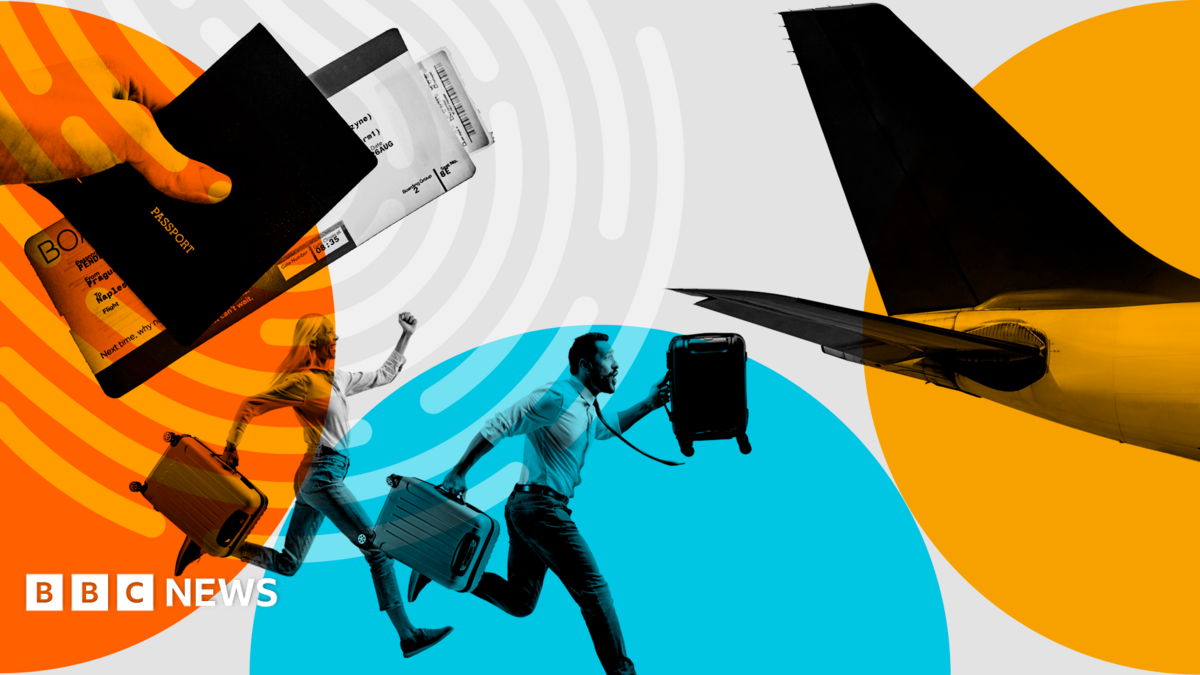
The EU's new Entry/Exit System is creating longer queues at airports, ferry ports, and Eurostar terminals. UK travellers now scan passports, register fingerprints, and have a photo taken at the border. The extra time plus technical glitches have already pushed some holidaymakers past their boarding time.
Anne Robinson and her 13-year-old son Jack missed their flight home from Rome in June after a 90-minute queue. They paid £250 for a replacement flight two days later. They could not claim the cost back.
Airline advice is not uniform.
Wizz Air's UK boss told the BBC that British holidaymakers should arrive at European airports three hours before their flight home departs. Jet2 and Ryanair have given similar guidance, depending on the airport. Eurostar advises passengers to arrive at the station at the time stated on their ticket, saying it already factors EES steps into the recommended arrival window.
At the Port of Dover, technology issues have prevented the new system from being used at all. The port advises passengers to arrive no more than two hours before their ferry departure and warns that arriving too early could cause queues to build up.
The insurance gap is the real cost risk.
The Association of British Insurers says travel insurance is unlikely to cover the cost of new flights, hotels, or other losses from delays caused by EES queues. Anna-Marie Duthie, travel insurance expert at analysts Defaqto, said no policies explicitly cover EES delays because it is an expected procedure or routine process.
"In practice it is your responsibility to allow additional time for such long queues or delays," she said. There is a slight chance of a claim under missed departure, delay, or abandonment cover. Immigration or border delays are often not listed as covered reasons, she added.
What travellers should do before leaving.
Airlines and travel providers send messages about current waiting times and changes. The Civil Aviation Authority said passengers should check directly with their airline before heading to the airport to allow enough time for security checks and reaching their departure gate. Most airlines have an app that can be downloaded in advance to receive alerts. Checking that texts are enabled and emails do not go into a junk folder is also worth doing before travel.
Building in extra time is the only reliable hedge. The specific advice varies by airport, port, and rail operator. Checking the recommended arrival time with the specific provider in advance is the practical step. The alternative is a £250 lesson in how the new border system works.
Prepared with AlphaScala research tooling and grounded in primary market data: live prices, fundamentals, SEC filings, hedge-fund holdings, and insider activity. Each story is checked against AlphaScala publishing rules before release. Educational coverage, not personalized advice.