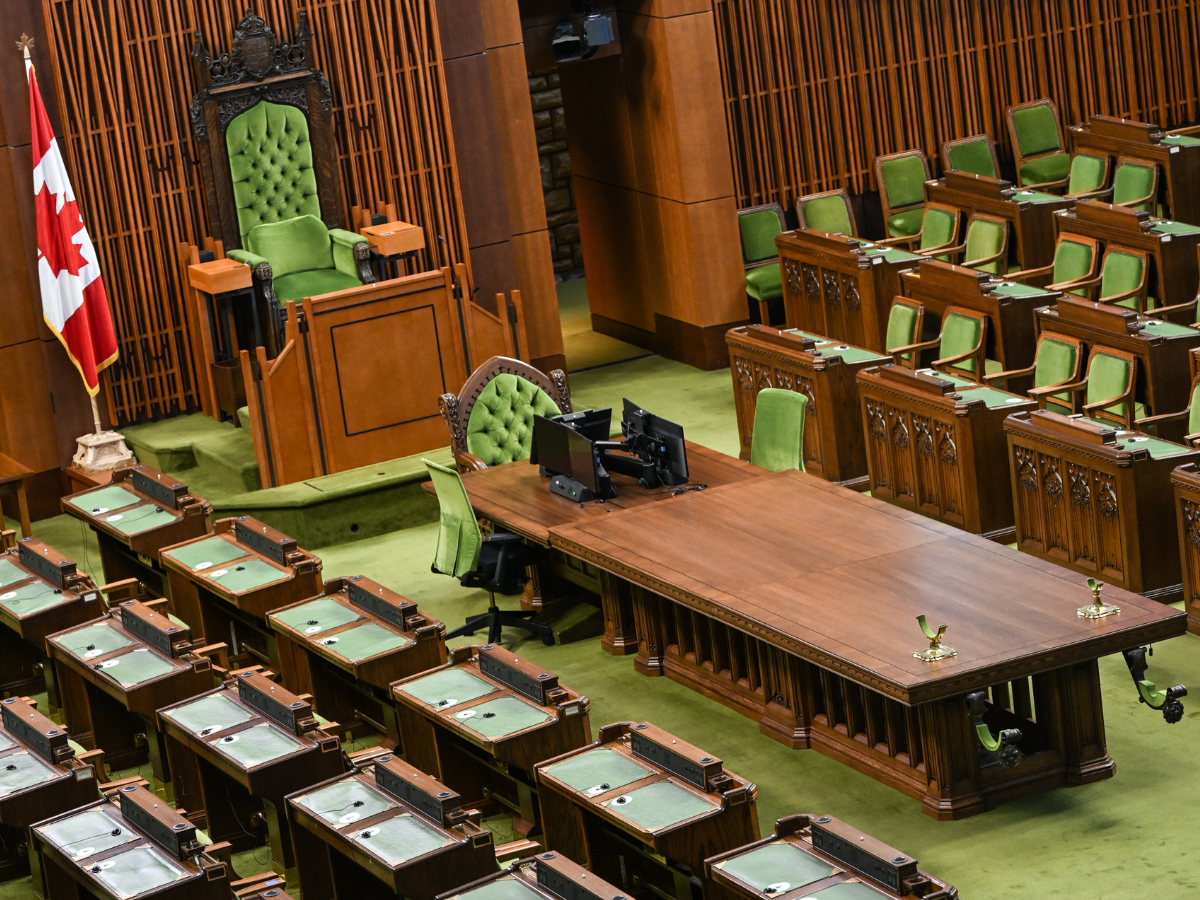
William Watson argues that MPs need basic economics to avoid policy mistakes like rent control, which historically distort housing markets and hurt investors.
A column by William Watson argues that basic economic training for new members of Parliament could prevent the kind of policy mistakes that distort markets. The piece, published in the National Post, uses New York's renewed push for rent control as a case study.
Watson notes that rent control, championed by the city's new socialist mayor, creates perverse incentives. Renters stop moving to keep below-market rents, units become scarce, and landlords cut maintenance to control costs. New York's first experience with rent control, beginning in the 1940s, left many older tenants – some with high incomes – living in the same apartments for decades.
For investors, the lesson is straightforward. When policymakers ignore basic supply-and-demand dynamics, the result is often reduced housing supply, lower quality, and higher long-term costs. Residential real estate investment trusts with exposure to rent-controlled markets could face pressure on occupancy and renovation budgets if such policies spread.
Watson's broader point applies beyond housing. Many market interventions share the same flaw: they ignore how people and businesses respond to incentives. MPs who understand that are less likely to back policies that end up hurting the very people they aim to help.
The column is a reminder that political risk is not just about regulation – it's about the quality of economic reasoning behind it.
Drafted by a large language model from the source reporting linked above, then screened by automated publishing checks. It is not read by a journalist before publication. Some articles cite our Alpha Score. Verify prices and figures against the original source. Educational coverage, not personalized advice.