The European Central Bank's chief economist warned that inflation fueled by the Middle East conflict is still working its way through the economy, even after the US and Iran reached an agreement to reopen the Strait of Hormuz.
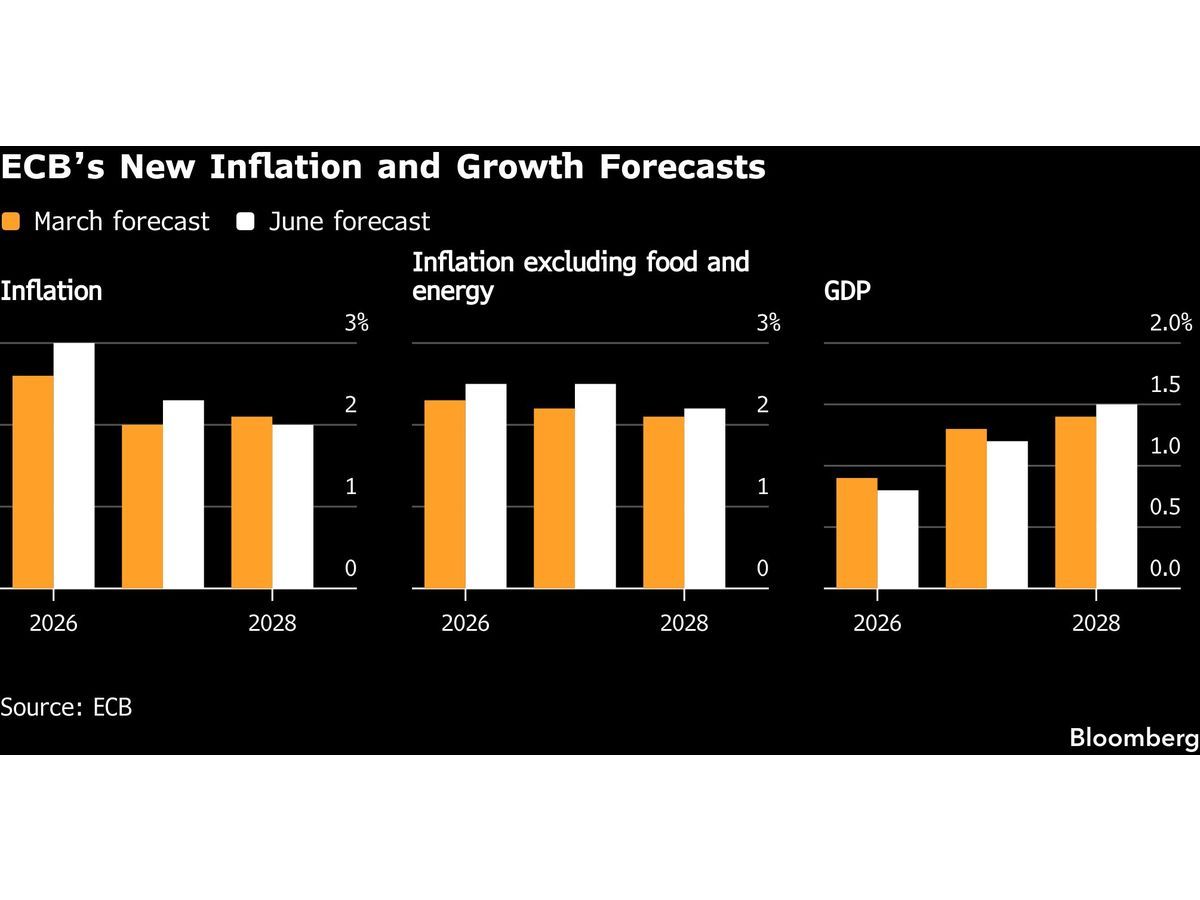
Philip Lane told a Reuters event on Tuesday that four months of elevated energy prices mean inflation will stay above 3% as the effects ripple beyond oil into food, goods, and services this year and next.
"There's going to be indirect effects on food, on goods, on services this year and into next year," he said.
The ECB raised rates last week for the first time since 2023, warning that war-driven inflation is broadening beyond energy. President Christine Lagarde repeated that message Monday. Markets still price at least one more quarter-point hike, to 2.5%, with price gains expected to stay well above the 2% target for some time.
Bundesbank President Joachim Nagel said Monday that even if shipping resumes, it will take months for oil supplies to normalize. High energy costs will increasingly show up in consumer prices, he added. Spanish central bank chief Jose Luis Escriva agreed, saying complications over energy flows are likely to persist as production capacity needs restoring.
Lane said the cost of a barrel of oil is unlikely to fall much from its current $80–$81 range. The forward curve, he noted, is "basically fairly horizontal for the next couple of years."
"We don't have a big reversion to the pre-war level under the market pricing," Lane said. "But neither do we have the much higher prices that were in our adverse and severe scenarios."
The ECB's message is clear: the inflation pipeline is still full, and the Iran deal does not drain it. For traders watching commodities analysis, the read-through is that energy-driven price pressure will persist through 2025, keeping rate-cut expectations in check even as growth slows.