Stocks● Neutral
Ebola Cases Top 3,200 as UK Tests Bundibugyo Vaccine
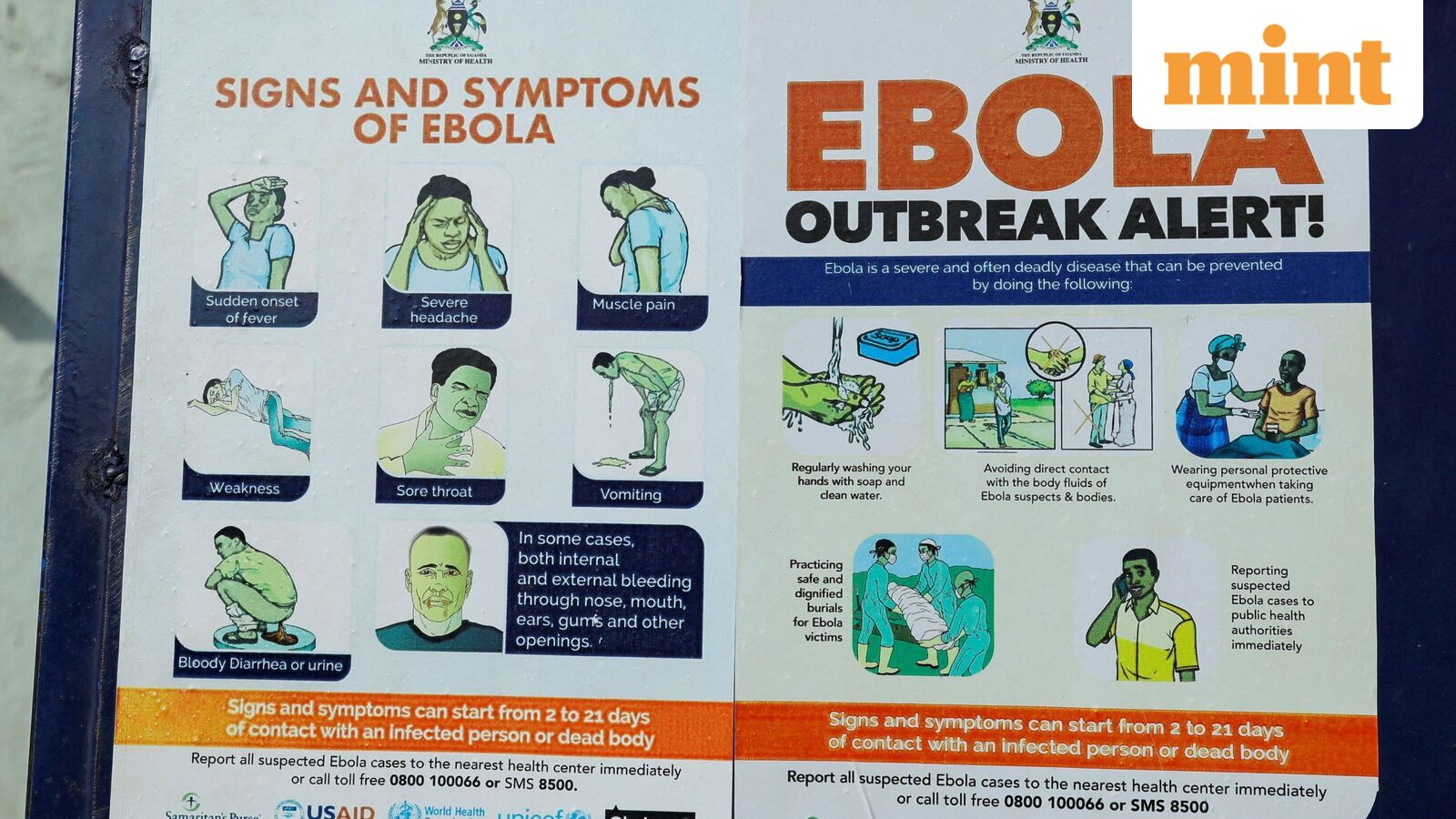
The Bundibugyo strain outbreak in DRC and Uganda has hit 3,200 cases. UK regulators approved a human trial for a new vaccine, the first targeting this variant.
Continue with
Ebola cases have surpassed the 3,200 mark in the Democratic Republic of Congo, making it the third-largest outbreak on record. Caused by the rare Bundibugyo strain, the virus has spread to Uganda, while researchers race to develop vaccines and curb the growing epidemic.
UK regulators approved a human trial for a vaccine targeting the Bundibugyo strain, the first such test for a variant that carries a lower mortality rate than the Zaire strain but still poses a serious public health threat. The trial, run by a consortium of academic and pharmaceutical partners, will enroll volunteers in London and Oxford. Results are expected by early 2027.
The DRC's health ministry reported 3,208 confirmed and probable cases as of July 26, with 1,974 deaths. That puts the outbreak behind only the 2014-2016 West Africa epidemic and the 2018-2020 Kivu outbreak, both driven by the Zaire strain. The Bundibugyo strain, first identified in 2007, has historically caused smaller clusters. This is the first time it has crossed into Uganda since 2012.
Uganda reported 12 cases across the Kasese district, near the DRC border. The World Health Organization has deployed response teams and is coordinating cross-border surveillance. Uganda's health ministry said it had vaccinated frontline health workers using an experimental Bundibugyo vaccine developed by the U.S. National Institutes of Health.