Middle East Conflict Straining Margins
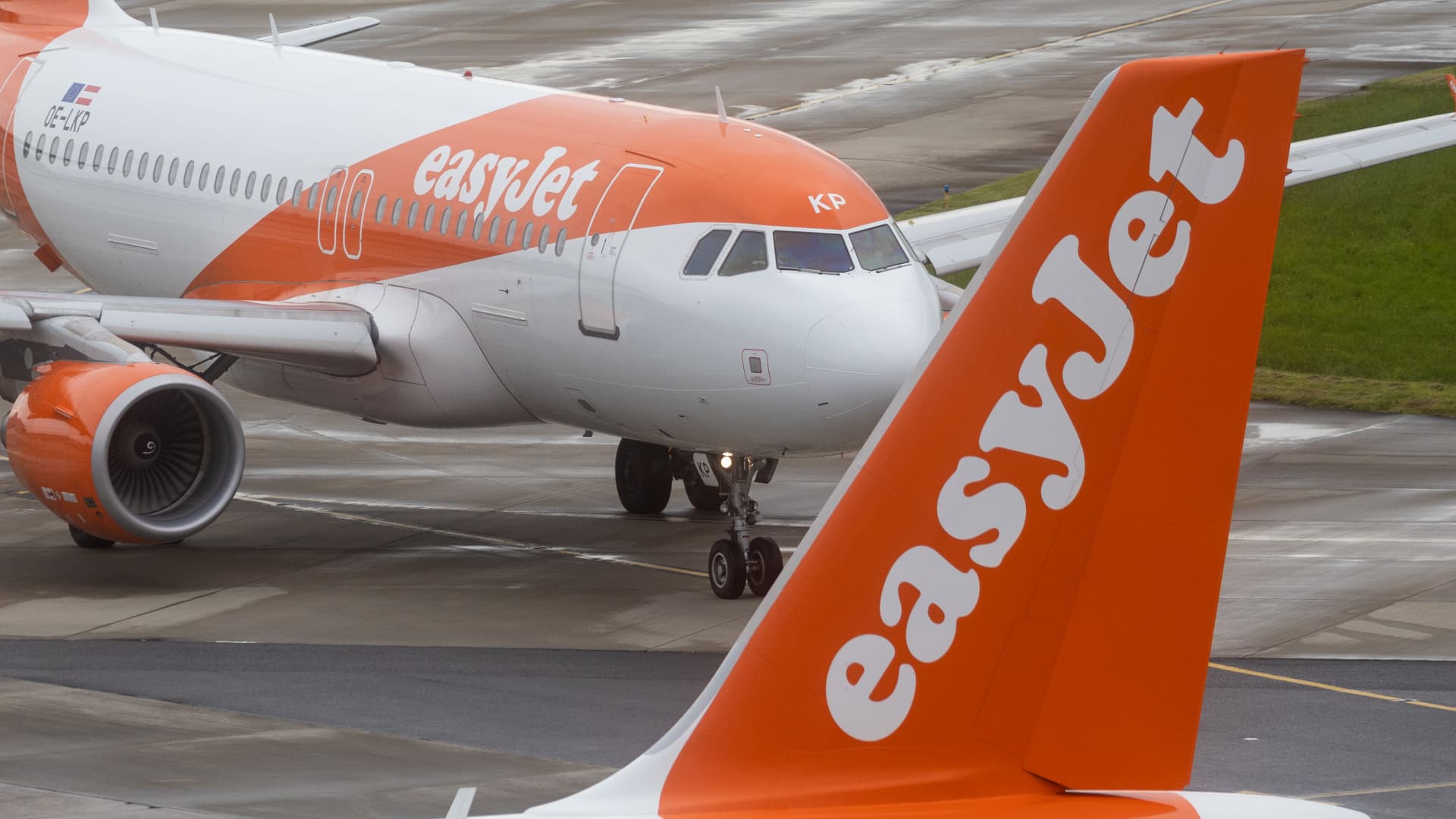
EasyJet (EZJ.L) shares fell in early trading as the carrier reported an additional £25 million in fuel costs incurred during the first half of 2026. This expense stems directly from the ongoing conflict in the Middle East, which has forced adjustments to flight paths and driven volatility in energy markets.
The airline confirmed that these unbudgeted costs are creating a drag on its short-term earnings profile. While the travel sector often carries fuel hedges to mitigate price spikes, the operational complexity of rerouting flights during regional instability introduces fixed costs that hedging cannot fully neutralize.
Operational Headwinds and Booking Trends
Beyond the direct fuel hit, the broader geopolitical climate is influencing consumer behavior. EasyJet noted that the uncertainty surrounding the Middle East is weighing on forward bookings. Traders should monitor whether this hesitation extends into the critical summer booking window or remains confined to routes directly adjacent to the conflict zone.
Historically, low-cost carriers like EasyJet have shown high sensitivity to fuel price fluctuations. When crude oil profile prices spike due to supply chain fears or regional escalations, the impact on operating margins is immediate. The current situation forces a delicate balance between maintaining competitive ticket pricing and passing mounting costs onto a price-sensitive customer base.
Market Implications for the Airline Sector
Investors are now recalibrating their expectations for European airline profitability. The £25 million figure, while seemingly contained, indicates that the current geopolitical risk premium is tangible rather than theoretical.
- Margin Compression: Rising operational costs threaten to erode the yield improvements seen in recent quarters.
- Sector Rotation: Capital may shift toward carriers with higher exposure to transatlantic routes or domestic markets less impacted by Middle Eastern flight path disruptions.
- Volatility Outlook: Expect continued sensitivity in EZJ.L and peers like IAG.L or RYAI.L to any headlines regarding commodities analysis and energy futures.
What to Watch
Traders should look for updates on the airline’s hedging strategy for the second half of the year. If management increases its fuel hedging percentage, it may insulate the bottom line from further volatility but could also lock in higher-than-average costs if energy prices retreat. Keep a close eye on the stock's support levels near recent lows as the market digests the impact of these operational expenses on full-year guidance.
Ultimately, the carrier's ability to maintain load factors while navigating these cost pressures will define its performance through the remainder of the fiscal year.