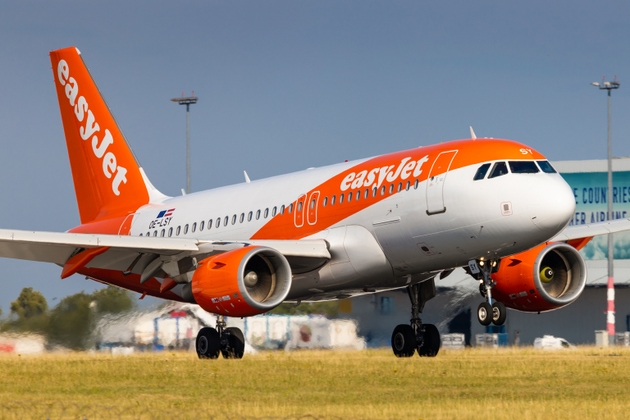
EasyJet agreed in principle to a £5.2 billion ($6.9 billion) takeover proposal from private investment firm Castlelake, the companies said. The offer of 690 pence per share follows four earlier approaches that the budget airline’s board rejected.
Castlelake will pay cash for the shares, valuing EasyJet at a substantial premium to where it traded before the first offer emerged. The airline’s slot portfolio – particularly at congested airports like London Gatwick and Amsterdam Schiphol – is a key strategic asset that has made it a perennial takeover target. An Air France-KLM approach earlier this year underscored the value of those slots, as covered in Air France-KLM Eyes EasyJet: Slot Value in Focus.
The deal faces regulatory hurdles. UK rules require that airlines operating domestic routes be majority owned and controlled by UK or European Economic Area nationals. Castlelake is a U.S. private equity firm. That ownership structure will need to pass muster with the Competition and Markets Authority and the Department for Transport. EasyJet’s board has said it will work with regulators to secure approvals.
The timeline remains uncertain. Both sides aim to finalize due diligence and shareholder votes in the coming months. EasyJet’s largest institutional holders, including funds that have pressed for cost cuts and better margins, now face a choice between the 690p exit and the risk that a higher bid emerges from a rival airline. Castlelake’s offer gives them a clean cash exit at a price that rewards recent restructuring efforts.
The board has recommended shareholders accept the offer, the companies said, citing the certainty of cash and the premium over recent trading levels. A formal shareholder vote is expected within 90 days.