Stocks● Neutral
Air France-KLM Eyes EasyJet: Slot Value in Focus
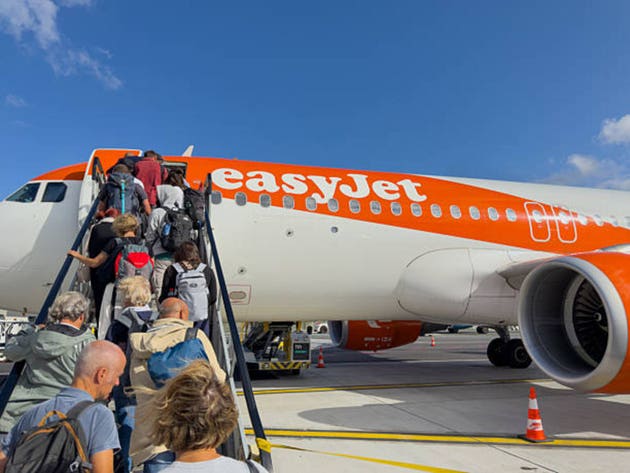
Air France-KLM's willingness to discuss a Castlelake-led EasyJet bid puts slot portfolios at Heathrow and Gatwick at the center of airline consolidation.
Continue with
Air France-KLM has signalled a willingness to discuss a potential Castlelake-led takeover of EasyJet. The shift from speculation to dialogue puts the market value of airport slots and the execution risks of European airline consolidation directly onto investors' radar.
Why the Castlelake-EasyJet Bid Changes the Odds
Until now, a Castlelake bid for EasyJet was a rumour without a counter-party. Air France-KLM's openness changes the probability of a formal offer. The carrier's interest signals that slot portfolios – particularly at London Heathrow – are being priced into deal economics. For European aviation investors, this is the first concrete indication that an asset-grab consolidation trade may move forward.
European airline valuations remain below pre-pandemic levels. Slot scarcity at major hubs has only increased. A combined Air France-KLM and EasyJet would control significant short-haul capacity at congested airports, creating pricing leverage but also triggering European Commission competition review. Castlelake's involvement adds a private-equity lens, indicating the bid is structured to unlock asset value rather than pursue cost synergies alone.
The Slot Portfolio Mechanism Behind the Deal
The core economic driver is the market price of takeoff and landing slots at slot-constrained airports. A single pair of Heathrow slots has traded for tens of millions of dollars in secondary markets. EasyJet holds a valuable slot portfolio at Heathrow, Gatwick, and other European hubs. Any acquirer effectively buys a barrier to entry against competitors. This is not a classic merger aimed at cost cutting; it is an asset grab dressed as consolidation.
Investors must separate two layers: the headline takeover premium and the regulatory risk discount. The European Commission has blocked airline mergers on competition grounds before. A combined Air France-KLM and EasyJet would likely face required slot divestitures on overlapping routes, reducing net deal value. Castlelake's return targets, Air France-KLM's willingness to engage, and the slot valuation methodology will determine whether the bid makes economic sense after concessions.
EasyJet Equity and Sector Read-Through
EasyJet shareholders are the immediate beneficiaries of a potential bidding contest. The stock has traded below pre-COVID levels because of cost inflation and post-Brexit labour constraints. A bid at a premium would crystallise that value. The risk is that regulatory remedies erode the premium, or the bid fails entirely, leaving the stock to revert to fundamentals.