Stocks● Neutral
e-Jagriti processed 200,000+ consumer cases, cuts delays
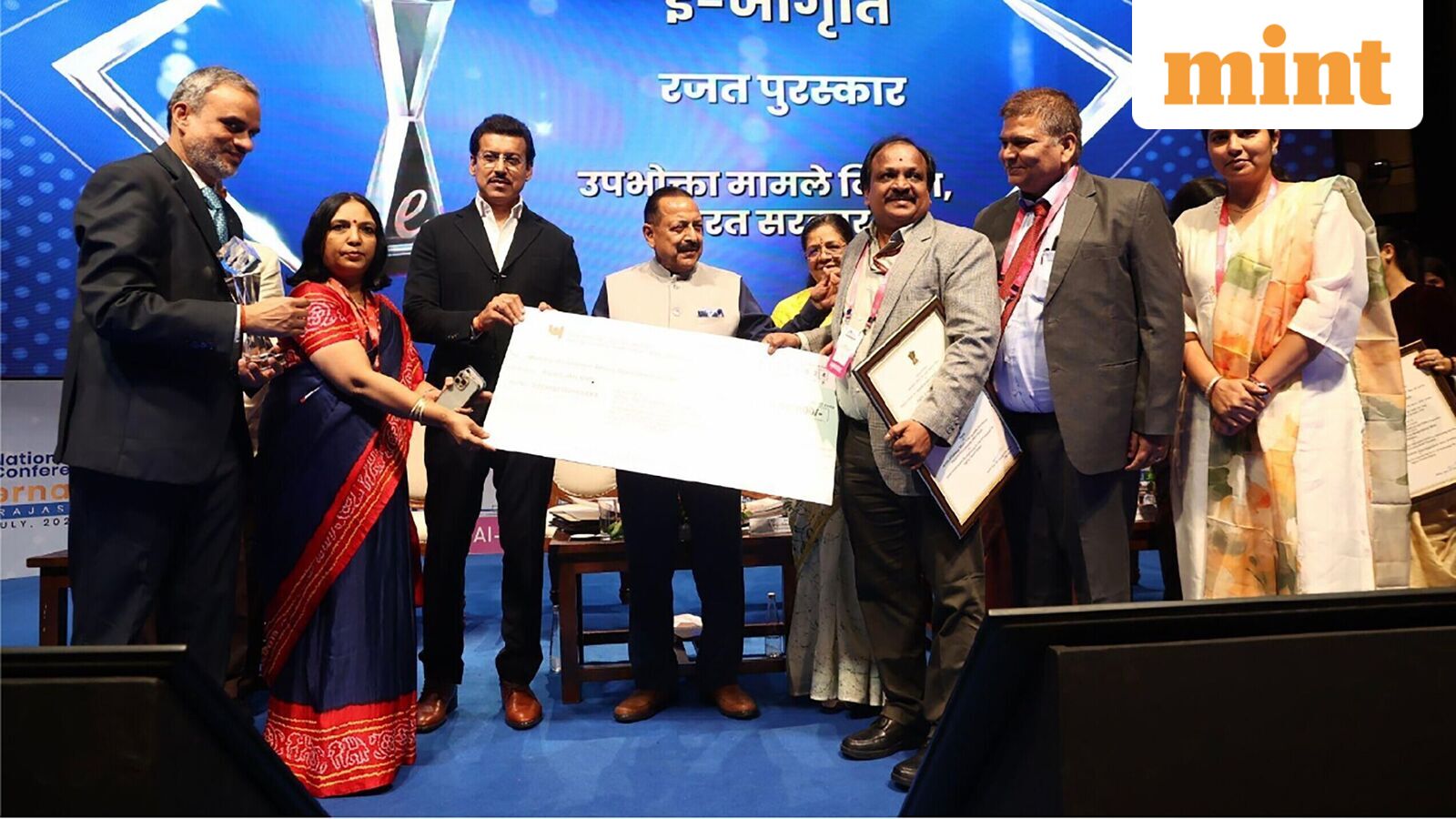
Minister Pralhad Joshi details how India's e-Jagriti platform digitizes consumer complaints, enables virtual hearings, and processed 200,000+ cases from 60 countries. Key for e-commerce trust.
Continue with
India's consumer dispute resolution platform e-Jagriti has handled over 200,000 case filings since its launch, drawing users from more than 60 countries, Union Minister Pralhad Joshi wrote in Mint. The platform is a digital overhaul of a system that relied on physical filings, manual scrutiny, and in-person hearings. Joshi described it as a reimagining of consumer justice that places accessibility and transparency at the center.
The mechanism is straightforward on the surface but complex underneath. A consumer can register via OTP, file a complaint online, pay fees digitally, attend virtual hearings, and track the case in real time. The system uses AI-assisted case analysis, voice-to-text, text-to-speech, and multilingual interfaces. Joshi said these tools make justice more inclusive for rural residents, senior citizens, and non-resident Indians. Hybrid videoconferencing facilities have been rolled out across the National Consumer Disputes Redressal Commission and state commissions, cutting travel costs.
The naive read is that this is just another government website. The better read involves the back-end transformation. Earlier platforms ran on disconnected legacy systems with inconsistent workflows and heavy manual dependence. e-Jagriti standardizes procedures across jurisdictions, automates cause lists, and provides online dashboards and instant notifications. That reduces discretionary delays and improves transparency, Joshi noted. The platform was refined through consultations with consumer commissions, legal practitioners, and technical experts, with weekly grievance sessions and capacity-building programs.
What the platform changes for consumers
For an individual, the shift is from a months-long paper chase to a digital process that can be completed from home. Joshi highlighted that the cost of pursuing justice was a deterrent, especially for those in remote districts. The platform now enables consumers from more than 60 countries to access India's redressal mechanism without being physically present. Standardized digital workflows have improved efficiency while reducing procedural bottlenecks, he wrote.