Two US Army Apache helicopter crew members, downed near the Strait of Hormuz, were pulled from the water by a 24-foot drone boat called the Corsair. The rescue, carried out by Saronic Technologies’ autonomous surface vessel, was the first of its kind for the US military, Central Command spokesman Captain Tim Hawkins said Tuesday. The Corsair, remotely piloted by a human operator, runs on diesel, hits 35 knots, carries up to 1,000 pounds, and has a range of more than 1,000 nautical miles.
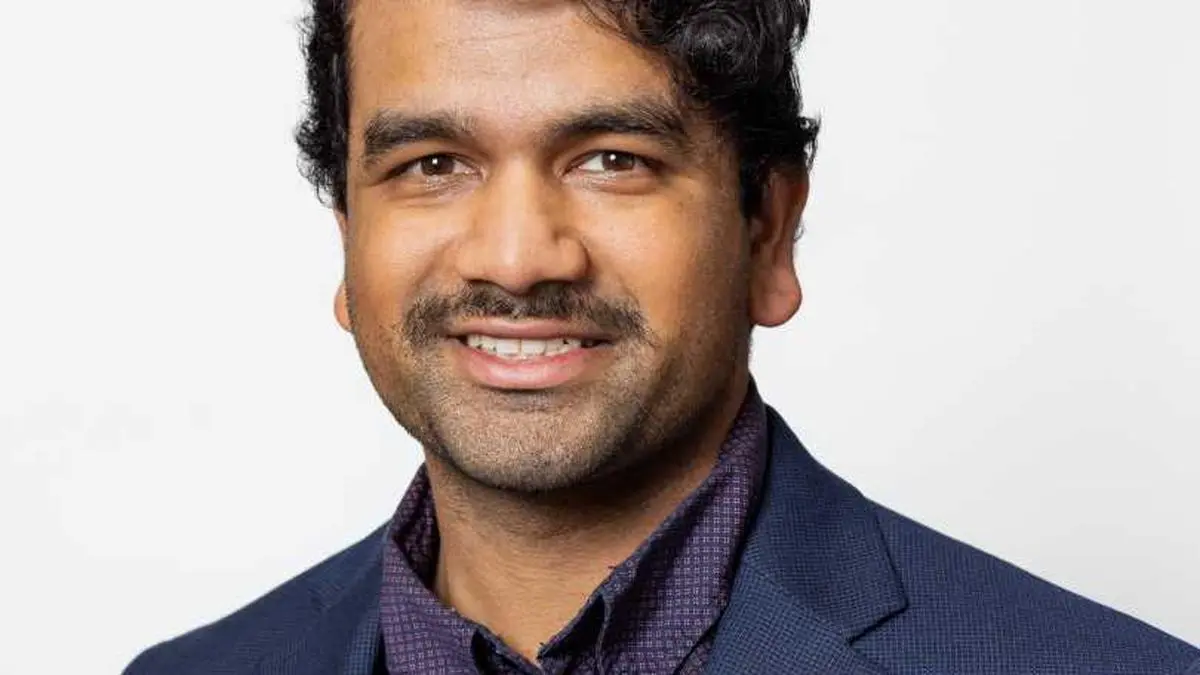
The simple read is that a startup just proved autonomous surface vessels can do more than patrol or surveillance. The better read is that the sector’s procurement pipeline just got a real-world validation event. Saronic, founded in September 2022 by former Navy SEAL Dino Mavrookas and three others including Indian-American co-founder and CTO Vibhav Altekar, already holds a $392 million production contract with the US Navy for autonomous surface vessels, according to the company’s LinkedIn profile. That contract predates the rescue. The rescue changes the narrative from “promising technology” to “operationally proven capability.”
The rescue happened in one of the world’s most contested maritime chokepoints. The Strait of Hormuz is where Iran has harassed commercial shipping and where the US Navy maintains a constant presence. An autonomous vessel that can recover personnel under those conditions, even with a remote operator, demonstrates a reliability threshold that defense primes and smaller contractors have been chasing for years. The US military has used aerial drones for decades. Surface autonomy has lagged. The Corsair’s mission closes that gap.
For the sector, the readthrough is about contract velocity. The Navy’s $392 million commitment to Saronic signals that the service is willing to bet on small, fast, unmanned surface vessels for logistics, surveillance, and now personnel recovery. Competitors like L3Harris, Textron, and Leidos have their own unmanned surface programs. None have a live rescue on their resume. That operational data point matters more than spec sheets when the Pentagon writes the next request for proposals.
Altekar, who studied electrical engineering at UC and was an early engineer at Anduril, led engineering on the Royal Australian Navy’s Ghost Shark drone submarine. That pedigree matters. Anduril has been the poster child for defense tech startups winning large contracts. Saronic’s team shares that DNA. The company’s website says Altekar drives development of autonomous systems and software architecture, leading perception, navigation, machine learning, and command-and-control teams. That depth of technical leadership is exactly what the Navy looks for when it awards production contracts to companies that did not exist four years ago.
The rescue also shifts the conversation around risk. Autonomous surface vessels have been tested in mine countermeasures and surveillance. Personnel recovery introduces a different liability calculus. A failed rescue would have set the sector back years. A successful one, under Central Command’s watch, gives program managers cover to accelerate fielding. The next milestone to track is whether the Navy exercises options on Saronic’s contract or opens a new competition for a larger class of autonomous rescue vessels.
For investors watching the defense tech space, the takeaway is not that Saronic is the only winner. It is that the entire autonomous maritime category just got a de-risking event that primes and startups alike will cite in their next pitch to the Pentagon. The Corsair’s diesel engine, modest payload, and remote piloting are not the final answer. They are the first answer that worked under fire. That is worth more than a dozen white papers.