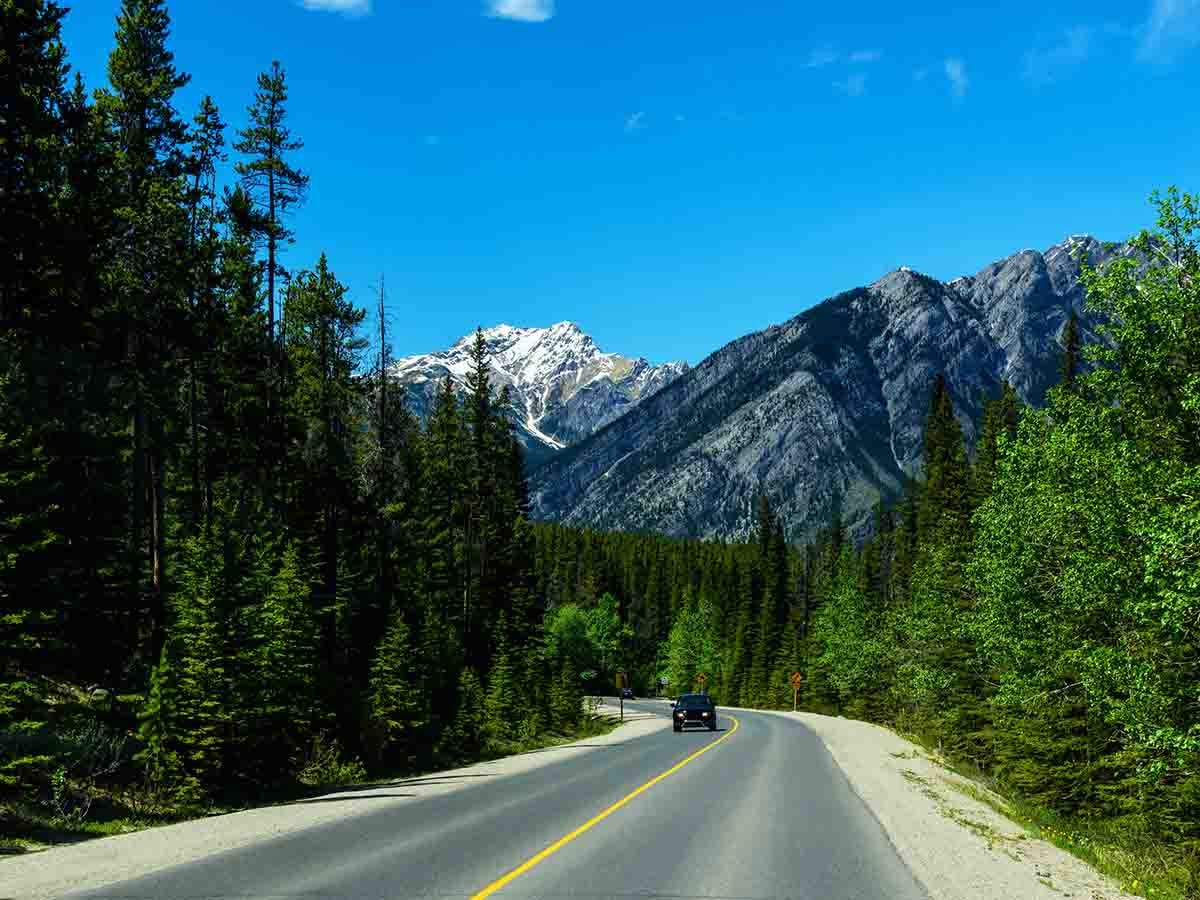
A coast-to-coast drive along the Trans-Canada Highway this summer will cost at least $914 in fuel, based on current prices and a 2025 Subaru Outback's mileage. That calculation uses provincial gas prices from GasBuddy and distances from transcanadahighway.com.
The national average sits at about $1.60 per litre, roughly 25 cents higher than last year, according to the Canadian Automobile Association. Prices vary by province, with some regions pushing higher.
Dan McTeague, president of Canadians for Affordable Energy, expects the national average to hover around $1.55 over the summer. "Nowhere near where we were last summer at $1.30 to $1.35," he said. He believes prices will stay elevated enough to affect travel decisions.
The Leger survey backs that up. Nearly half of respondents (48%) cited gas prices as a concern affecting their plans. About 39% said they will travel within their home province this summer, the largest share. Only 27% plan to travel outside their province within Canada. Domestic travel remains popular – 77% of leisure travellers intend to take a trip inside Canada, same as last year – but the destination is shifting closer to home.
Higher pump prices support refining margins and benefit integrated producers with Canadian retail exposure. The flip side: consumer discretionary stocks tied to travel and hospitality face headwinds if Canadians shorten their road trips. The $914 cross-country figure is a useful benchmark. A family driving from Vancouver to Halifax would spend more than $900 on fuel alone, before lodging and food. That kind of cost pushes the economics of a long road trip.
The data suggests a shift toward regional travel. That benefits local attractions and short-haul destinations but pressures long-haul tourism operators. For the energy sector, the key variable is whether the Strait of Hormuz peace talks hold. The source notes that gas prices came down after interim talks opened the strait to oil flows. Any reversal would push prices higher.
McTeague's $1.55 forecast implies prices stay above last summer's range. The Leger survey shows Canadians are already adjusting. The $914 number puts a concrete price tag on the decision.