Back to Markets
Stocks● Neutral

DREAMSAKE Scales Retail Footprint via Nationwide Marks & Spencer Expansion

DREAMSAKE Scales Retail Footprint via Nationwide Marks & Spencer Expansion
HASASNOWON

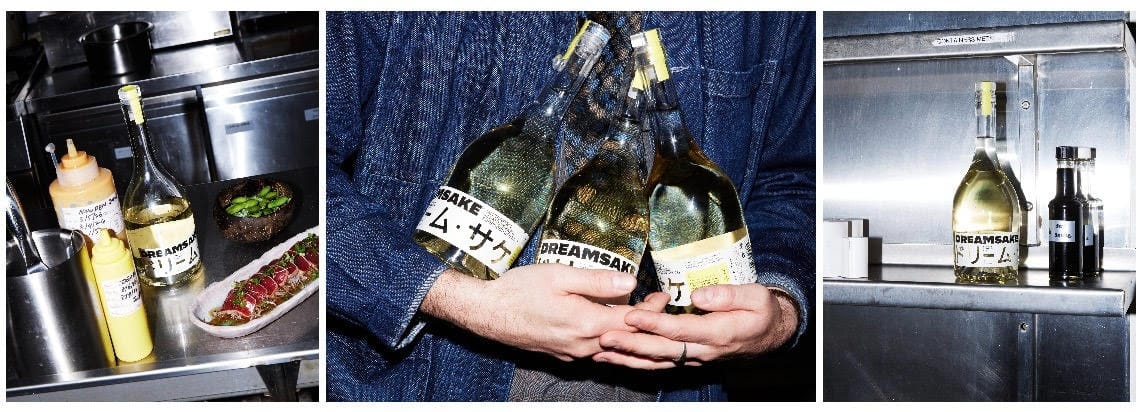
DREAMSAKE has expanded its retail presence to 504 Marks & Spencer stores, marking a significant shift toward mass-market availability for the brand.

AlphaScala Research Snapshot
Live stock context for companies directly referenced in this story
Consumer Cyclical

HASBRO, INC. currently screens as unscored on AlphaScala's scoring model.

Consumer Cyclical
Alpha Score
47
Weak

Alpha Score of 47 reflects weak overall profile with moderate momentum, poor value, moderate quality. Based on 3 of 4 signals — score is capped at 90 until remaining data ingests.

Technology
Alpha Score
53
Weak

Alpha Score of 53 reflects moderate overall profile with poor momentum, strong value, strong quality, weak sentiment.

Alpha Score
46
Weak

Alpha Score of 46 reflects weak overall profile with strong momentum, poor value, poor quality, moderate sentiment.

This panel uses AlphaScala-native stock data, separate from the source wire linked above.

DREAMSAKE has secured a significant distribution milestone by expanding its product presence to 504 Marks & Spencer locations across the United Kingdom. This expansion marks a transition from niche availability to mass-market retail penetration for the brand, positioning its sake offerings within the broader consumer beverage landscape.

Scaling Distribution in the Beverage Sector

The move to place products in over 500 locations provides the brand with immediate exposure to a high-frequency retail environment. For beverage manufacturers, securing shelf space in a national chain like Marks & Spencer serves as a primary validator of consumer demand and supply chain reliability. This scale of distribution allows the company to move beyond specialty liquor stores and into the daily shopping routines of a broader demographic.

This expansion reflects a broader trend in stock market analysis where premium, non-traditional beverage categories seek to capture market share from established beer and wine segments. By leveraging the existing footprint of a major retailer, the brand avoids the high capital expenditure typically required to build independent distribution networks. The success of this rollout will depend on the velocity of sales at the shelf level, as retailers frequently rotate inventory based on performance metrics.

Operational Impact and Market Positioning

The shift to a 504-store footprint necessitates a robust logistics framework to maintain consistent inventory levels. Managing a supply chain that spans hundreds of locations requires precise coordination between production facilities and regional distribution centers. For the brand, the challenge lies in maintaining product quality and brand identity while operating within the standardized shelf-space requirements of a national retailer.

This retail strategy highlights the importance of accessibility in the growth trajectory of emerging beverage brands. While the product occupies a specific niche, its ability to scale suggests that consumer preferences are shifting toward diverse, lower-alcohol, or craft-oriented alternatives. The company must now demonstrate that it can sustain this volume without diluting its premium positioning or facing significant margin compression from retail slotting fees and promotional requirements.

Next Steps for Retail Performance

The next marker for this expansion will be the quarterly sell-through data provided by the retailer. Investors and industry observers should look for evidence of repeat purchases and shelf-space retention in subsequent planogram updates. If the brand maintains its position across these 504 stores, it may serve as a template for further expansion into other major retail chains or international markets.

Future updates regarding the company's ability to scale production to meet this increased demand will be critical. Any signs of supply chain bottlenecks or inventory shortages could lead to a reduction in store count during the next review cycle. The focus remains on whether the brand can convert this increased physical visibility into long-term customer loyalty and consistent revenue growth.

How this story was producedLast reviewed Apr 28, 2026

AI-drafted from named sources and checked against AlphaScala publishing rules before release. Direct quotes must match source text, low-information tables are removed, and thinner or higher-risk stories can be held for manual review.

Editorial Policy·Report a correction·Risk Disclaimer