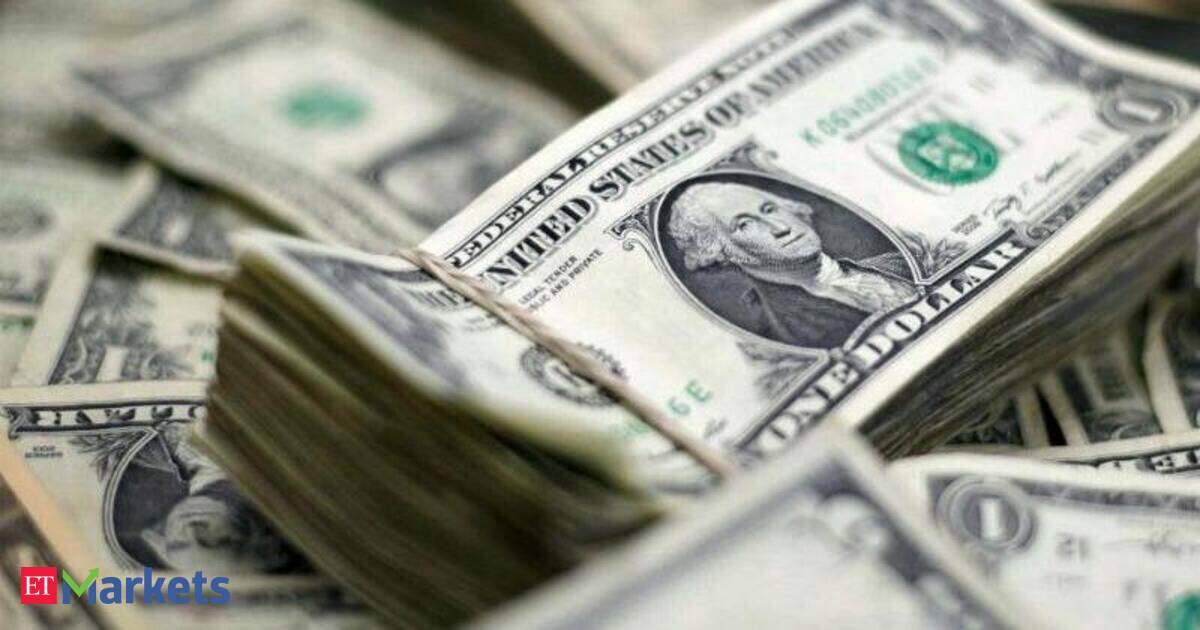
The dollar strengthened sharply after a meeting between former President Donald Trump and Chinese President Xi Jinping revived trade-war fears and reinforced expectations that the Federal Reserve will keep interest rates elevated. The move rippled through currency, bond, and equity markets, with safe-haven flows amplifying the greenback's advance and pressuring emerging-market assets.
Trump-Xi Meeting Rekindles Trade-War Fears
The face-to-face talks, the first between the two leaders in months, did not produce a concrete trade deal. Instead, the lack of a breakthrough reminded markets that tariffs and supply-chain disruptions remain a live risk. The uncertainty pushed investors toward the dollar, the world's primary reserve currency, as a defensive position. The meeting's outcome also raised the specter of renewed inflationary pressure if new tariffs are imposed, which would complicate the Fed's path toward rate cuts.
The dollar's rally was fueled by two distinct but reinforcing forces:
- Heightened rate expectations: trade-war fears stoke inflation concerns, making the Fed more likely to hold rates higher for longer.
- Safe-haven buying: geopolitical uncertainty drives capital into the dollar and away from riskier assets.
Rate Expectations and the Dollar Transmission
The repricing of Fed policy expectations was the dominant driver. Before the meeting, futures markets had priced in a high probability of a rate cut later this year. The Trump-Xi meeting injected enough uncertainty to push those odds lower. A slower easing cycle widens the interest-rate differential between the U.S. and other major economies, making the dollar more attractive. The dollar index, which measures the greenback against a basket of major currencies, moved decisively higher, though no specific level was reported.
Higher U.S. rates also lifted Treasury yields, reinforcing the dollar bid. The transmission from yields to the dollar is straightforward: when U.S. bonds offer a higher real return, global capital flows into dollar-denominated assets. That dynamic weighed on gold, which typically struggles when the dollar and real yields rise together. The gold profile shows the metal's sensitivity to this exact setup.
Safe-Haven Flows Hit Gold and Indian ADRs
Gold prices fell as the dollar strengthened, a classic inverse relationship. The metal's role as a hedge was overshadowed by the greenback's haven appeal. For Indian equities, the stronger dollar created a headwind for U.S.-listed shares of major Indian companies. Infosys Ltd (INFY), HDFC Bank Ltd (HDB), and Wipro Ltd (WIT) all faced pressure from the currency move, as a stronger dollar reduces the value of their foreign-currency earnings when translated back into rupees and can trigger outflows from emerging-market funds.
AlphaScala's proprietary scores show Infosys with a Moderate Alpha Score of 57, suggesting some resilience relative to peers. HDFC Bank carries a Mixed 36, and Wipro a Mixed 46, indicating less conviction in their near-term setups. The dollar's surge adds an external risk layer that these scores do not fully capture. Investors tracking the INFY stock page, HDB stock page, and WIT stock page should weigh the currency headwind against company-specific fundamentals.
The broader market analysis framework suggests that when the dollar rallies on rate expectations and haven flows simultaneously, emerging-market equities tend to underperform until the catalyst fades or reverses.
Next Marker: Fed Minutes and Trade Follow-Through
The immediate decision point is any follow-up communication from the Trump-Xi meeting. A joint statement that signals progress on trade could unwind the dollar's haven bid quickly. Conversely, a breakdown in talks would reinforce the current dynamic. The release of the Fed minutes will provide the next concrete read on how policymakers are weighing trade uncertainty against inflation. Until then, the dollar's direction remains tied to the twin narratives of rate expectations and geopolitical risk.