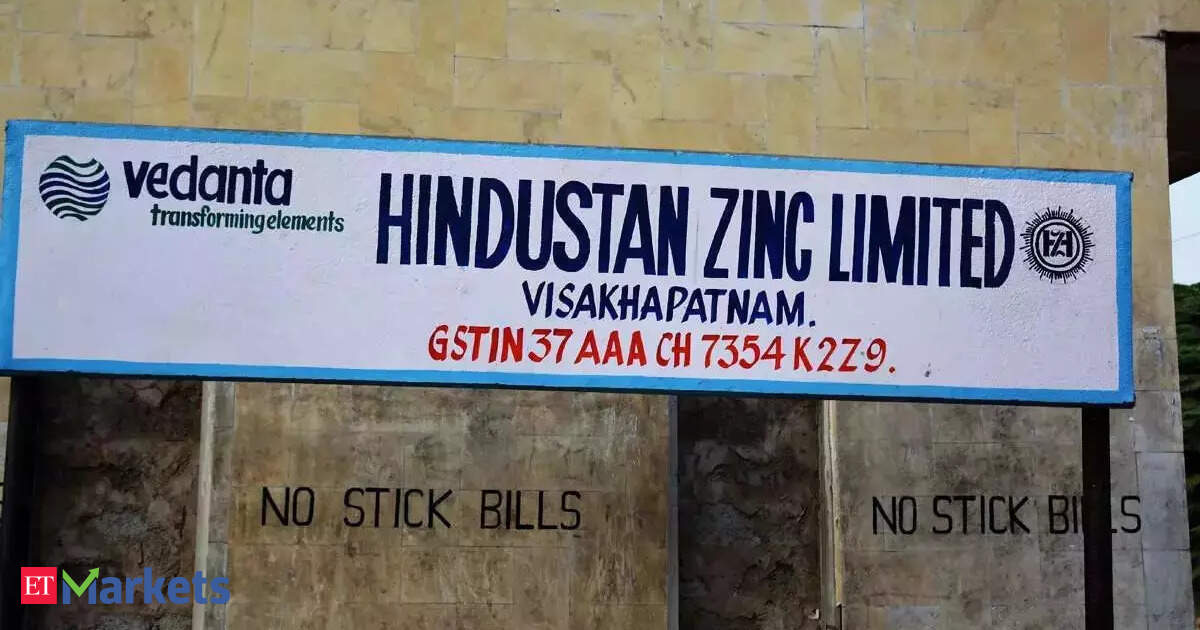
India raised the import duty on silver, pushing domestic prices toward Rs 3 lakh per kilogram and triggering a sharp rally in silver-linked equities. Hindustan Zinc shares surged 5%, while parent Vedanta jumped 4% in the same session. The move re-prices the domestic silver premium and directly benefits producers with large byproduct silver output.
The Duty Hike Mechanism
The government increased the effective import cost of silver, narrowing the gap between landed international prices and domestic spot. For Indian silver producers, that gap is revenue. Hindustan Zinc, the country’s largest integrated zinc-lead-silver miner, generates a material portion of its earnings from silver sold as a byproduct. A higher domestic floor price flows almost entirely to the operating line because silver extraction costs are already sunk in the zinc and lead mining process.
Vedanta, which holds a 64.9% stake in Hindustan Zinc, captures that margin uplift through consolidation. The 4% move in Vedanta shares reflects the market’s quick math on the parent’s exposure, though Vedanta’s own balance sheet carries separate leverage and demerger overhangs that the silver rally does not resolve.
Reading the Surge Beyond the Headline
The simple read is that a duty hike is unambiguously bullish for domestic silver miners. The better read recognizes that the duty change is a one-time policy adjustment, not a structural shift in global silver supply-demand. The domestic premium can persist only if international silver prices do not decline enough to re-open the import arbitrage. If COMEX silver or LBMA spot corrects, the Rs 3 lakh level becomes a ceiling rather than a support.
For Hindustan Zinc, the earnings sensitivity is real but not linear. Silver output in the most recent quarter was roughly 5.5 million ounces, and every Rs 1,000 per kg move in realized silver prices adds about Rs 550 crore to annualized revenue, assuming stable volumes. The duty hike adds a layer of protection to that revenue stream. The stock’s 5% move, however, prices in a sustained premium that the market has not yet confirmed.
What Confirms or Breaks the Setup
Confirmation comes from two places. First, domestic silver must hold above Rs 2.95 lakh per kg for several sessions without a corresponding drop in international benchmarks. Second, Hindustan Zinc’s next production update must show silver output at or above the run-rate that supports the revenue math. Any volume disappointment would dilute the price tailwind.
Invalidation would arrive if global silver corrects sharply, if the government signals a rollback of the duty, or if Vedanta’s corporate restructuring timeline introduces fresh uncertainty that overrides the commodity move. Vedanta’s ongoing demerger process, which has already created volatility, remains a separate risk layer that silver strength does not neutralize.
Broader Market Context
While commodity stocks rallied on the policy catalyst, AlphaScala’s proprietary scores for Indian ADRs show a more cautious setup elsewhere. HDFC Bank carries an Alpha Score of 36 (Mixed), and Wipro sits at 46 (Mixed). Infosys, at 57 (Moderate), is the only one of the three with a score above the neutral midpoint. The divergence suggests that the silver-driven move is a sector-specific event, not a broad risk-on signal.
For traders tracking the silver producers, the next concrete marker is the LME inventory report and any follow-through in domestic physical demand after the duty change. A sustained premium would force a reassessment of Hindustan Zinc’s full-year silver realization, while a quick mean-reversion would turn the 5% spike into a liquidity event rather than a trend change.