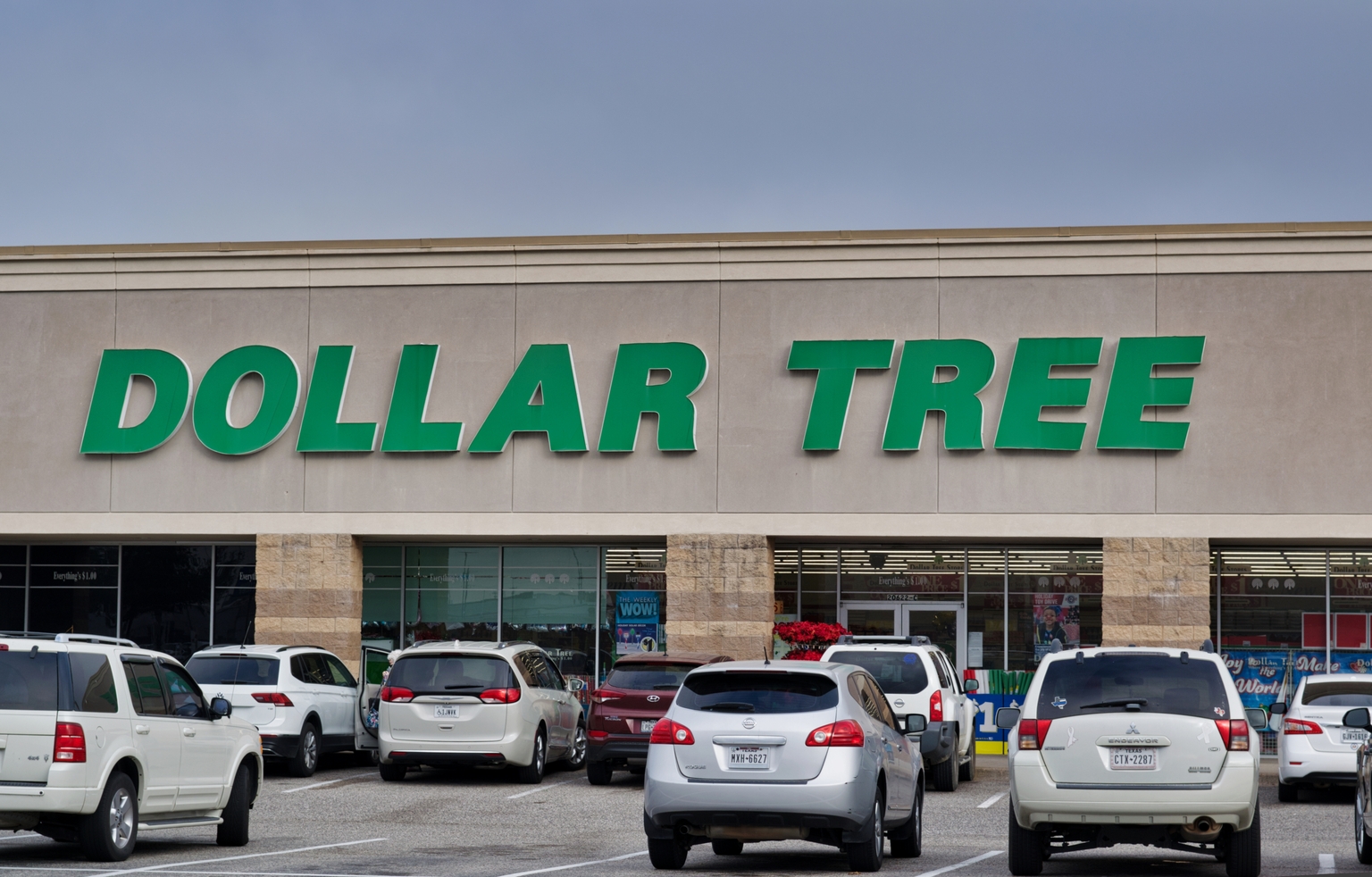
A new Seeking Alpha comparison of Dollar General (DG) and Dollar Tree (DLTR) lands with the author disclosing a long position in both stocks. The surface read is that the dollar-store sector offers a uniform recovery play. The risk for anyone holding either name is that the market is already pricing a rebound that neither chain has delivered, and the divergence in their operating models makes a blanket sector bet dangerous.
The Alpha Score Gap Between DG and DLTR
AlphaScala's proprietary scores cut through the narrative. Dollar General carries an Alpha Score of 34, labeled Weak. Dollar Tree registers a 42, labeled Mixed. Neither score suggests a high-conviction entry. The eight-point spread is material. It signals that the data feeding the score–momentum, insider activity, earnings quality, and valuation–favors Dollar Tree slightly, while Dollar General looks vulnerable to a negative catalyst.
The exposure is straightforward. An investor holding DG is holding a stock that the AlphaScala model flags as weak across multiple dimensions. That does not mean a decline is certain. It means the burden of proof is on the bullish case, and the next earnings print or macro shift could trigger a re-rating faster than for a stock with a neutral or strong score.
Dollar General's Rural Consumer Exposure
Dollar General's store base is heavily concentrated in rural areas, serving a customer that is disproportionately lower-income. This makes the stock a direct read on the health of the paycheck-to-paycheck consumer. Any softening in employment or a further squeeze from inflation on essentials hits DG's traffic and basket size first. The risk is not just a slowdown; it is that the market has not fully priced the sensitivity of DG's earnings to a consumer that is already stretched.
Dollar Tree's Fixed-Price Model and Family Dollar Overhang
Dollar Tree operates two distinct banners. The namesake chain uses a fixed-price model, currently at $1.25, which limits its ability to pass through cost increases. The Family Dollar brand, acquired in 2015, has been a persistent restructuring story. The fixed-price model forces Dollar Tree to rely on volume and cost-cutting to protect margins. The Family Dollar turnaround adds execution risk. If the restructuring stalls, the drag on consolidated earnings could outweigh the stability of the core banner. This dual exposure creates a different risk profile from Dollar General's, and the market may be underestimating the time required for the Family Dollar fix.
Conditions That Would Ease the Pressure on Dollar Store Stocks
- Stabilizing or falling input costs would relieve margin pressure for both chains, especially for Dollar Tree where the fixed price point leaves little room to absorb higher product costs.
- A resilient labor market that keeps low-income consumers employed and spending would support Dollar General's same-store sales.
- Successful Family Dollar integration would remove a major overhang for Dollar Tree and could close the valuation gap with peers.
- Share buybacks or dividend initiation at either company would signal management confidence and provide a floor for the stock.
Scenarios That Would Worsen the Risk
- A consumer recession that forces even dollar-store shoppers to cut back on discretionary items would hit both chains. Dollar General's higher exposure to non-consumables makes it more vulnerable.
- Aggressive expansion by Walmart in the value segment, or a renewed push by online discounters, could erode the dollar stores' competitive moat.
- Rising shrink (theft and inventory loss) has been a persistent issue for both retailers. A worsening trend would pressure margins and shake investor confidence.
- A failed Family Dollar turnaround would likely force Dollar Tree to take impairment charges and distract management from the core business.
The Next Earnings Prints as Catalyst
Both companies are heading into their next quarterly reports. The numbers that will matter most are same-store sales growth and gross margin trends. For Dollar General, any sequential deceleration in traffic would confirm the Weak Alpha Score signal. For Dollar Tree, the focus will be on Family Dollar's operating income trajectory. Until those prints land, the risk-reward skew on DG looks unfavorable relative to DLTR, and neither name offers a clear all-clear signal for a sector-wide entry.