Stocks● Neutral
Documents Flagged Methane Risk Before Fatal India Tunnel Blast
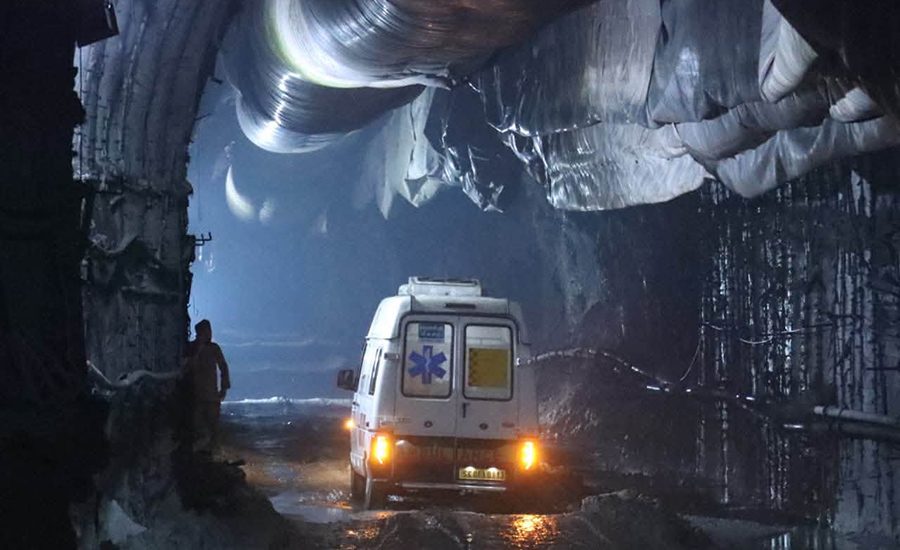
Project documents flagged methane risk 10 days before a tunnel explosion killed 25 at NHPC's Teesta Stage-VI project. Investigators now examine whether safety measures were in place.
Continue with
Rescuers on July 23 recovered the final victims from a suspected methane-gas explosion at India's 500-MW Teesta Stage-VI Hydroelectric Project in the Himalayan state of Sikkim, about 400 miles north of Kolkata near the border with Bhutan and Tibet. The four-day operation ended with 25 workers and project officials dead as investigators began examining what caused the underground construction disaster.
The explosion occurred July 20 inside the project's headrace tunnel. Civil contractor Patel Engineering Ltd., which is constructing that section of the tunnel, said a sudden release of suspected methane trapped within surrounding rock generated a gas burst that filled the passageway with dense, toxic fumes.
Project documents issued 10 days before the explosion identified methane gas, water ingress, cavity formation and unstable ground as active construction hazards in the same section where the accident occurred. The documents called for enhanced gas monitoring, ventilation and operating procedures during excavation. There is no indication whether those measures were in place when the explosion happened.
"We heard a loud sound and then debris came rushing through," survivors told Namchi district officials, according to the Associated Press. The precise sequence – whether the gas explosion caused the tunnel to collapse or was compounded by one – has not yet been publicly established.
Federal and state rescue teams recovered the final victims through toxic gases, standing water and poor visibility. Methane, carbon monoxide and hydrogen sulfide limited rescuers equipped with breathing apparatus to short underground rotations, the Associated Press reported.