Commodities● Neutral
Diesel Crunch Sidelines 20% of India's Trucks, Freight Rates Spike
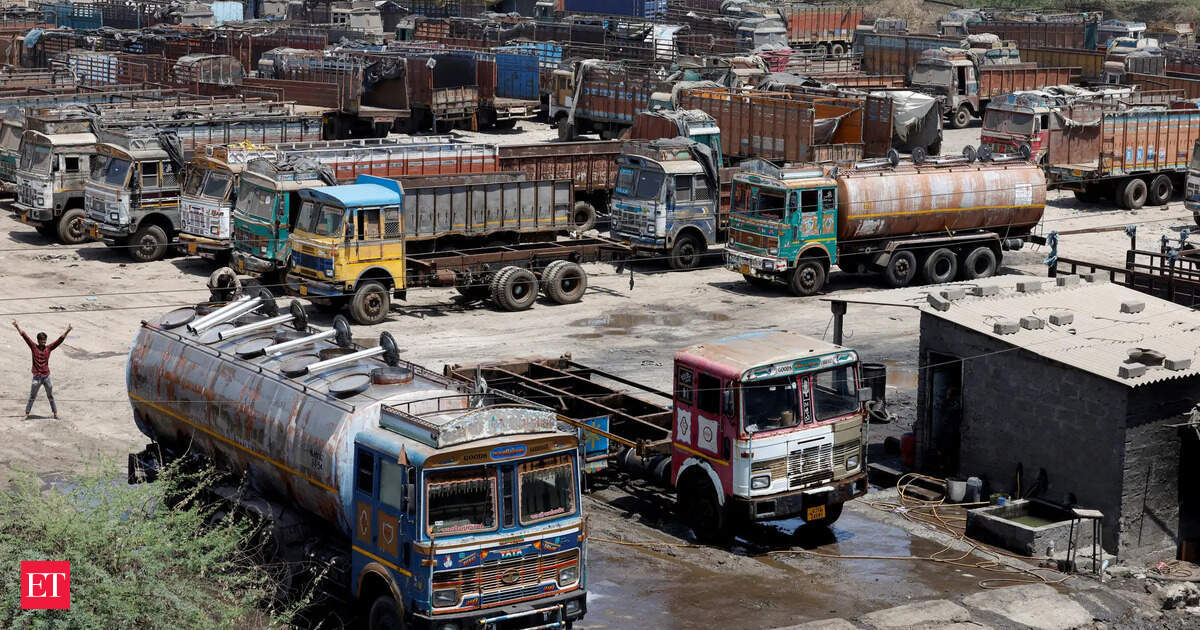
20% truck capacity loss from diesel shortages forces freight rate increases, threatening food prices. Monsoon may ease pressure but not before small operators suffer.
Continue with
Nearly 20% of India's trucks are off the road. Diesel shortages and price hikes are forcing small operators to park their fleets. Freight rates are already climbing, threatening to raise prices for food and other essential goods. Oil companies say the shortages are localized. The scale of disruption, however, suggests a broader supply-demand imbalance. Demand is expected to ease once the monsoon sets in. That relief is weeks away.
Diesel Shortage Sidelines Small Fleet Operators
Small operators with thin margins cannot absorb fuel price jumps or stockpile diesel. They account for the bulk of India's trucking capacity. When diesel becomes scarce, their trucks sit idle. Oil marketing companies have not declared a national shortage. The localized nature of the problem does little for an operator who cannot find fuel within a reasonable distance. The result is a rapid drop in available truck capacity. Roughly one in five trucks is now parked.
The shortage stems from a combination of refinery maintenance and delayed imports. Inventory levels were drawn down ahead of expected monsoon demand. The price hikes compound the problem. Even where diesel is available, higher costs eat into margins. Operators must either raise freight rates or keep trucks parked.
Freight Rate Increases Threaten Food Prices
India’s freight market is fragmented and price-sensitive. A 20% capacity drop triggers spot rate spikes quickly. The chain of impact runs directly from diesel to transport costs to wholesale and retail prices for perishable goods, grains, and construction materials. Food inflation is already a sensitive political issue. The Reserve Bank of India has kept interest rates steady partly on the assumption that food price shocks would fade. A sustained diesel-driven freight cost increase could complicate that outlook.