Dick's Sporting Goods cut its full-year operating margin forecast to between 10.6% and 10.9%, down from a prior range of 11% to 11.4%, as the athletic footwear market enters a promotional phase that executives expect to last through year-end. Same-store sales rose nearly 5% in the second quarter, missing analyst expectations, but the company cited broad-based growth across categories including strong results tied to the 2026 FIFA World Cup and higher average tickets and transactions.
The promotional environment in lifestyle sneakers is “extreme at the moment,” Executive Chair Ed Stack told analysts on a conference call Tuesday. Legacy silhouettes from Nike, Adidas, On and Hoka are being reset as consumer tastes shift toward brown shoes such as Ugg and Birkenstock. “Those businesses for us are really on fire. They're up significantly,” Stack said. He added that Dick's is looking at several other brands to bring in, which should help offset the athletic footwear transition.
Running and performance shoes continue to perform well, but the lifestyle segment is under pressure. The margin guidance also assumes higher fuel prices and supply chain costs, Chief Financial Officer Navdeep Gupta said. Gross margin is expected to decline slightly for the full year.
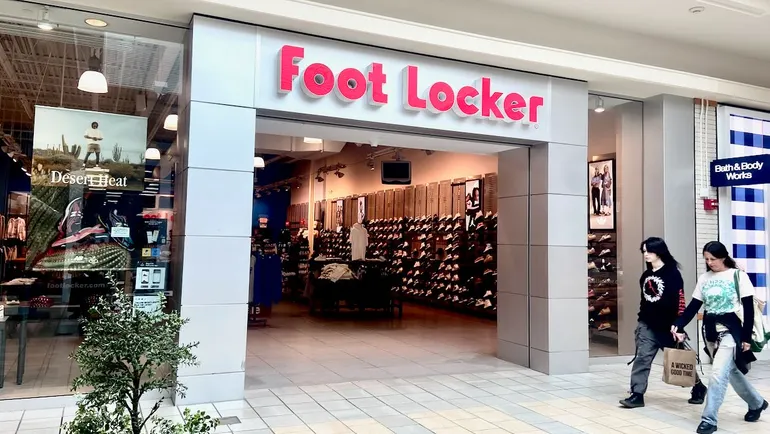
The downturn is hitting both Dick's and Foot Locker, the mall chain it acquired in 2024. Stack said Dick's more diverse retail, category and brand mix insulates it to some degree. But Foot Locker's struggles in Europe took executives by surprise. “None of this changes our confidence in the long-term opportunity at Foot Locker,” Stack said.
Some analysts disagree. John Zolidis, president and founder of Quo Vadis Capital, wrote in a Tuesday research note that the Q2 performance suggests the acquisition was unwise and that executives “didn't know what they were getting.” He warned that Dick's may have to divert capital to rehabilitate Foot Locker and stem operating losses. “Sadly, the best path may be to admit the mistake now and write-off the entire chain,” Zolidis said.
Stack acknowledged that Foot Locker's turnaround is still in its early innings. “Shareholders are now saddled with a chain that has structural issues including the complexity of overlapping banners in multiple markets, over-dependence on a single struggling vendor, aged mall-based real estate, as well as exposure to a lower-income consumer cohort,” Zolidis wrote.