Stocks● Neutral
DGCA weighs stricter pilot drug tests after Air India incident
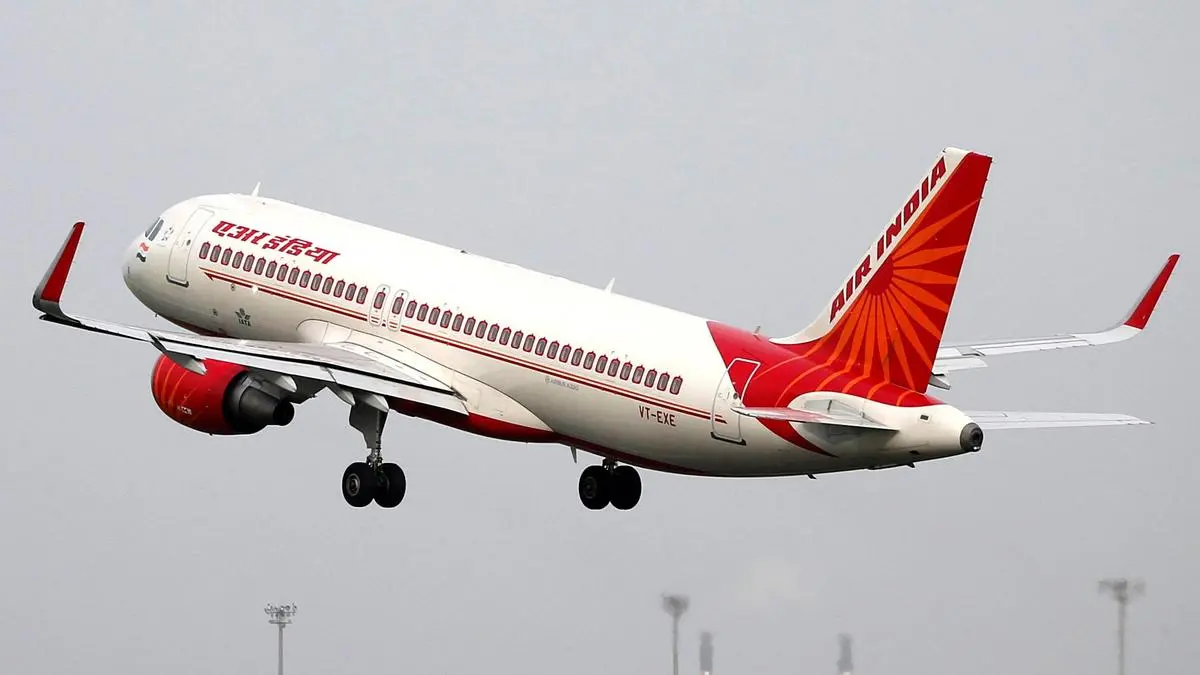
The DGCA is set to tighten drug-testing rules for aviation personnel after a pilot's preliminary positive test. The proposed changes could increase operational costs and crew scheduling pressure.
Continue with
India's civil aviation regulator is considering a tougher testing regime for psychoactive substances among pilots and other aviation personnel, following a preliminary positive screening result on an Air India flight, according to people familiar with the matter.
A meeting scheduled for Wednesday is expected to decide on the new provisions, the people said. The Directorate General of Civil Aviation (DGCA) is drafting a revised Civil Aviation Requirement (CAR) that would replace the existing framework. The current rules cover scheduled commercial operators, maintenance organisations, flying training schools, and air navigation service providers. They require at least 10% of covered employees to be tested each year. Tests screen for amphetamine, opiates, cannabis, cocaine, barbiturates, and benzodiazepines. Employees who return a non-negative result are immediately removed from safety-sensitive duties until a confirmatory report arrives.