Stocks● Neutral
Derayah Financial Targets SAR 1.5B in New Funds as Q1 Profit Dips 9%
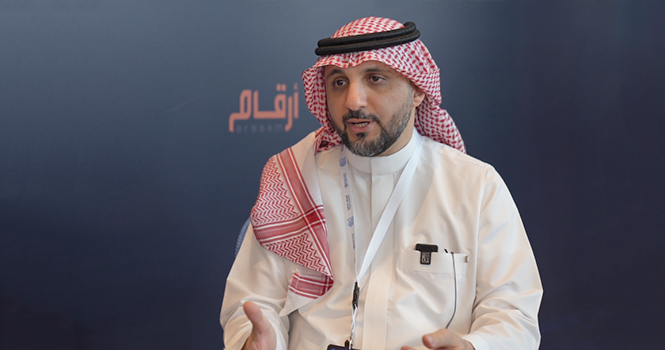
CEO Mohammed AlShammasi outlines 5-6 fund launches targeting SAR 1.5B while Q1 net profit fell to SAR 97M on marketing spend. D360 Bank losses hit SAR 29.7M but breakeven targeted by end-2027.
Continue with
Derayah Financial Co. reported a 9% drop in first-quarter net profit to SAR 97 million, down from SAR 106.2 million a year earlier. The decline coincided with a strategic pivot: CEO Mohammed AlShammasi disclosed plans to launch 5 to 6 new investment funds targeting more than SAR 1.5 billion in assets, alongside five brokerage initiatives that reset the firm’s revenue model. The profit slip was not a demand problem. It was a deliberate spending ramp.
Q1 Profit Decline: Marketing Spend Masks a Product Build
The simple read is that a 9% earnings contraction signals weakening fundamentals. The better market read is that Derayah is front-loading costs to change its business mix. AlShammasi attributed the higher operating expenses to a marketing campaign for a free local-stock trading initiative and to spending on new products and services – spanning technology, training, and headcount.
“The decline in profit and rise in operating expenses during the first quarter of 2026 are due to increased marketing expenses resulting from the launch of a campaign aimed at changing the prevailing business model through the free trading initiative for local stocks. Moreover, the company’s increased spending on developing new products and services–both on the technical side and through training and hiring new staff–has also led to higher operating expenses.”
This is a classic investment-phase P&L. The free trading initiative is designed to pull retail flow into the ecosystem, sacrificing near-term commission revenue to build a larger, stickier client base. The product-development spend signals that Derayah is not just cutting prices; it is building the infrastructure to monetise that flow later through fund management, advisory, and institutional services.
What the Expense Surge Tells Traders
- Marketing costs are likely to stay elevated while the free-trading campaign runs. Watch for client-account growth as the offsetting metric.
- Product-development spend should begin to taper once the new funds and brokerage services go live. AlShammasi noted that these products are expected to have a positive impact once they come on stream.
- The SAR 97 million profit, while down, still represents a healthy base from which to fund the build-out. The market’s reaction will hinge on whether the spending translates into asset-gathering momentum.
D360 Bank: A SAR 29.7M Drag with a 2028 Payoff
Derayah’s investment in D360 Bank produced a SAR 29.7 million loss in Q1 2026, a significant contributor to the consolidated profit decline. AlShammasi framed this as normal for a digital bank still in its revenue-ramp phase. D360 Bank has attracted about 3 million customers and accumulated SAR 3 billion in deposits since starting commercial operations in December 2024.
| Metric | Q1 2026 | Q1 2025 | Change |
|---|---|---|---|
| Derayah net profit | SAR 97M | SAR 106.2M | -9% |
| Loss from D360 Bank | SAR 29.7M | Not disclosed | N/A |
| D360 customers | ~3M | N/A | N/A |
| D360 deposits | SAR 3B | N/A | N/A |
The CEO projected that D360 Bank will reach breakeven by end-2027 and begin generating profit in 2028. For Derayah shareholders, that means at least seven more quarters of equity-method losses before the investment turns accretive. The deposit base of SAR 3 billion provides a lending runway once the bank activates its credit products. AlShammasi indicated that the launch of lending activities will mark the next phase of revenue build.
The D360 Timeline and Execution Risk
- Customer acquisition at 3 million is strong for a two-year-old digital bank. The question is how many of those are active, transacting users versus low-engagement accounts.
- Deposit volume of SAR 3 billion gives a loan-to-deposit ratio starting point. The bank’s ability to price credit risk correctly in its first lending cycle will determine whether the 2028 profit target is realistic.
- Regulatory and competitive pressure in Saudi Arabia’s digital banking space is intensifying. D360 is not the only player chasing the underbanked retail segment.
Fund Launches: SAR 1.5B Target Across Private Credit, Real Estate
AlShammasi outlined a fund-launch pipeline that diversifies Derayah’s asset-management revenue away from equity brokerage. The planned 5 to 6 new funds include: