Delhi sees coldest July day in 3 years; Odisha flood alert
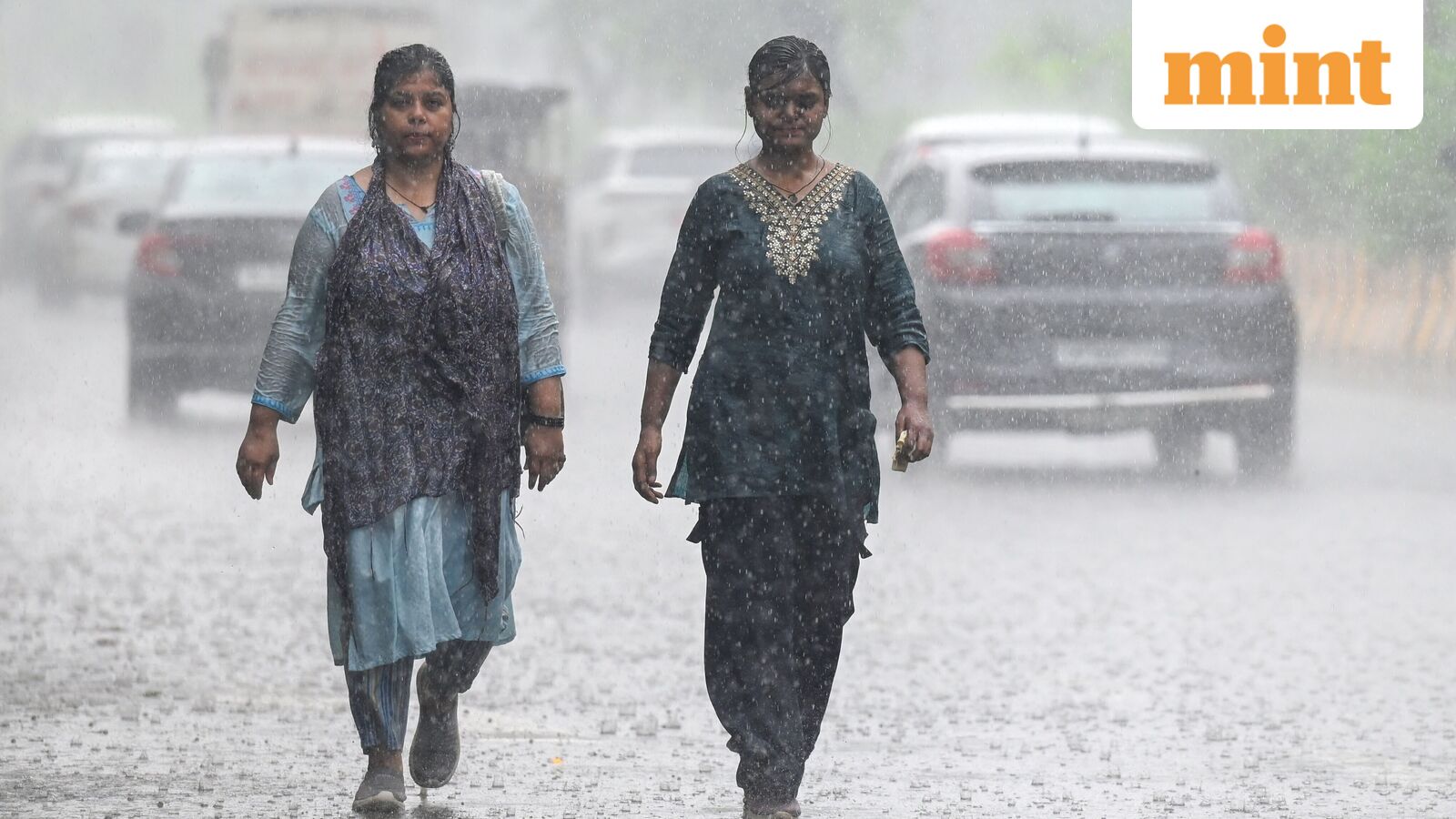
Delhi's temperature hit 29°C, the lowest for July since 2023, after 57.6 mm of rain. Odisha's Subarnarekha River swelled to 11.22 metres, above danger levels.
Extreme monsoon conditions gripped multiple regions across India this week, bringing the national capital to a standstill amid record-breaking rainfall, triggering severe floods in Odisha, and prompting high-wave alerts along the southern coastlines.
In Delhi, heavy downpours on Tuesday triggered widespread waterlogging and severe traffic gridlocks across several neighbourhoods. The deluge made it the city's rainiest day of the year so far and the coldest July day in three years. The maximum temperature plummeted to 29 degrees Celsius, 9.1 degrees below the previous day and the lowest July reading since 2023.
According to the India Meteorological Department (IMD), the Safdarjung base station recorded 57.6 mm of rainfall between 8:30 am and 5:30 pm, while Pusa saw the highest localised rainfall at 88.5 mm. The heavy rain left major intersections and markets submerged. In Rajendra Nagar, a prominent coaching hub, flooded streets revived grim memories of the 2024 tragedy, where three civil services aspirants drowned in a flooded basement.
In Sadar Bazar and Connaught Place, knee-deep water entered shops, disrupting business. Politicians, including AAP leader Saurabh Bharadwaj, shared videos of schoolchildren and office-goers wading through inundated narrow lanes. Civic bodies, including the Municipal Corporation of Delhi (MCD), the Public Works Department (PWD), and the New Delhi Municipal Council (NDMC), were inundated with over 130 complaints about waterlogging, uprooted trees, and power outages.
Major arterial routes, including the Delhi-Noida Road, ITO, and NH-48 near AIIMS, witnessed bumper-to-bumper traffic. The IMD has issued a yellow alert for Wednesday, predicting continued light to moderate showers for the remainder of the month.
While Delhi battled urban flooding, the situation in eastern India remained critical. Over 11.80 lakh people across six districts in Odisha have been affected by severe floods. The state government has placed the Balasore district on high alert due to an alarming rise in the water level of the Subarnarekha River. Odisha's Revenue and Disaster Management Minister Suresh Pujari warned that while waters in other rivers were static or receding, the Subarnarekha was swelling dangerously, threatening densely populated blocks like Baliapal, Basta, and Jaleswar.
By Wednesday evening, the river stood at 11.22 metres, well above the danger mark of 10.36 metres. This rise is being exacerbated by continuous water releases from the Galudihi and Chandili dams in neighbouring Jharkhand. Authorities have deployed rescue teams to assist residents in vulnerable low-lying riverbank areas.
Down south, coastal communities are bracing for highly volatile sea conditions. The IMD has issued a Swell Surge and High Wave Warning for the coasts of Kerala, Lakshadweep, South Tamil Nadu, and Puducherry. Swell waves rising between 1.1 and 2.2 metres threaten nearshore surging and severe coastal erosion. Authorities have issued a red alert for the Kerala coast, strictly advising fishermen not to venture into the sea and prohibiting all beach activities and small-boat movements. Squally winds reaching speeds of 65 kmph are expected over parts of the Arabian Sea and the Bay of Bengal.
Inland Kerala is also facing wet weather, with the IMD predicting isolated heavy rainfall for districts including Kottayam, Ernakulam, and Idukki. Light to moderate showers are expected across the rest of the state, further raising the risk of localised waterlogging, uprooted trees, and extended travel times over the coming days.
Drafted by a large language model from the source reporting linked above, then screened by automated publishing checks. It is not read by a journalist before publication. Some articles cite our Alpha Score. Verify prices and figures against the original source. Educational coverage, not personalized advice.