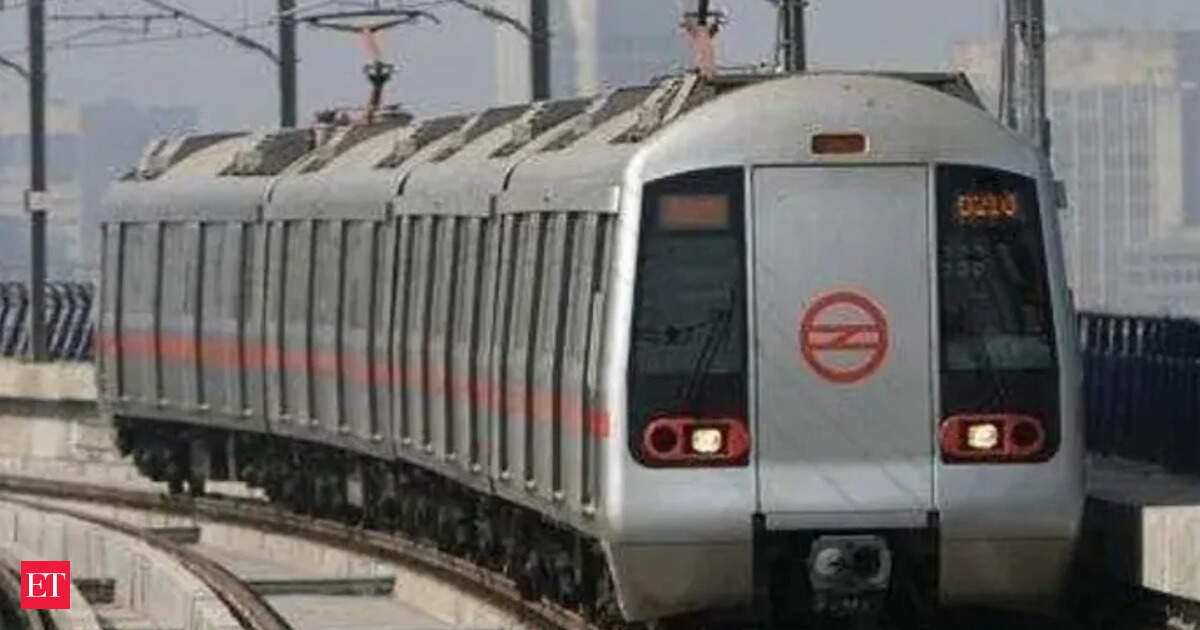
Delhi Metro will run two hydrogen-fuelled shuttle buses in Central Vista. The pilot signals public-sector fuel-cell adoption, a demand signal for platinum.
Delhi Metro is introducing a hydrogen-powered shuttle bus service in the Central Vista area. Two hydrogen-fuelled buses will operate on weekdays during peak office hours, connecting Central Secretariat and Seva Teerth metro stations to key government offices. The initiative aims to promote public transport among government employees.
The immediate scale is tiny. Two buses do not move the needle for hydrogen demand. The better read is that a government-owned metro operator is testing hydrogen fuel-cell technology for last-mile connectivity. This signals institutional willingness to deploy hydrogen beyond pilot projects and into operational public transport.
Hydrogen fuel-cell vehicles (FCVs) use a fuel cell stack that combines hydrogen and oxygen to produce electricity, with platinum as a catalyst. Each bus requires a certain amount of platinum-group metals (PGMs). While two buses add negligible incremental demand, the pilot opens a procurement pathway. If Delhi Metro expands the fleet, or if other Indian state transport undertakings follow, the cumulative PGM demand could become material.
India’s National Green Hydrogen Mission targets 5 million tonnes of annual green hydrogen production by 2030. That ambition requires electrolyzers to split water, and fuel cells to convert hydrogen back to power. The Delhi Metro pilot is a small but visible step toward creating a domestic market for fuel-cell vehicles, which would support demand for electrolyzer manufacturers and platinum miners.
The readthrough extends to hydrogen refueling infrastructure. A shuttle service needs a reliable hydrogen supply, likely from an electrolyzer or a hydrogen hub. This could accelerate investment in hydrogen production and distribution, benefiting companies in the green hydrogen value chain. Platinum prices have faced headwinds from declining diesel vehicle sales. Fuel-cell demand offers a potential offset, and any government-backed adoption in public transport strengthens that narrative.
India’s broader energy security push, as outlined by IOC.NS, includes diversification into hydrogen. The Delhi Metro pilot fits into that framework, linking public transport decarbonisation with domestic hydrogen production goals.
The next concrete marker is whether Delhi Metro orders more hydrogen buses after the initial trial. A follow-on order would confirm that the technology meets operational requirements. Additionally, India’s hydrogen policy framework includes production-linked incentives for electrolyzer manufacturing and mandates for green hydrogen consumption in refining and fertilizer sectors. Any extension of those mandates to public transport would be a significant demand catalyst.
For commodities traders, the hydrogen bus pilot is a reminder that platinum demand is not solely dependent on autocatalysts for diesel vehicles. Fuel cells represent a long-term demand driver that could offset declining diesel catalyst use. The pilot’s success or failure will influence sentiment around hydrogen adoption in emerging markets.
Prepared with AlphaScala research tooling and grounded in primary market data: live prices, fundamentals, SEC filings, hedge-fund holdings, and insider activity. Each story is checked against AlphaScala publishing rules before release. Educational coverage, not personalized advice.